2026 Nuffield NZ Farming Scholarship. Apply by 17 August 2025. Read More...

Apply for 2026 Nuffield NZ Farming Scholarship by 17 August 2025. More details...

Small-scale food growers and their role in New Zealand’s sustainable food future.

Executive summary

Environmental degradation resulting, in part, from globalised food systems, including New Zealand’s practices, has led to an alarming failure in ensuring food security and community resilience. This degradation induced climate change, creating a self-destructive cycle (Dury et al., 2019). New Zealand, like many regions, grapples with the extensive repercussions of these issues. Addressing these challenges is paramount for the nation’s security and economy.

In New Zealand, the predominant approach to address these issues centres on the existing industrial farming systems and strives for improvement through technology and innovation. However, it’s not just incremental changes that are needed; a paradigm shift is required. Within the country a distinct group of small-scale food growers are utilising techniques aligned with international literature and practices.

The question arises: Can small scale food growers help New Zealand’s domestic food security while simultaneously benefiting the environment and community resilience?

This study has a dual purpose: firstly, to comprehensively understand New Zealand’s small-scale food growers, their integration into the landscape, ecosystems, and communities; and secondly, to underscore the significance of these growers in addressing New Zealand’s present and future challenges.

To achieve these objectives, this research project combines a thorough literature review with an examination of a select group of ten small-scale food growers in New Zealand, operating on land blocks smaller than ten hectares. The research comprises twenty interviews, including thirteen growers, three thought leaders, two business representatives, and one consultant and facilitator each. These interviews undergo thematic analysis, which is later compared with the literature review’s findings.

Key findings indicate that the current terminology associated with this group of growers and their land size is inconsistent and unrepresentative. Crop diversity, the primary technique used on small-scale food farms in New Zealand, has a positive impact on the natural environment. Moreover, crop diversity leads to increased distribution diversity and enhanced community resilience.

Recommendations:

1. Create a robust identity to unite the small scale food grower sector
2. Quantify the produce impact of small scale growers in local communities, through investment in research
3. Sector leadership must participate in conversations for future domestic food security solutions
4. Use this report as a catalyst to initiate the above actions

Alison Bentley
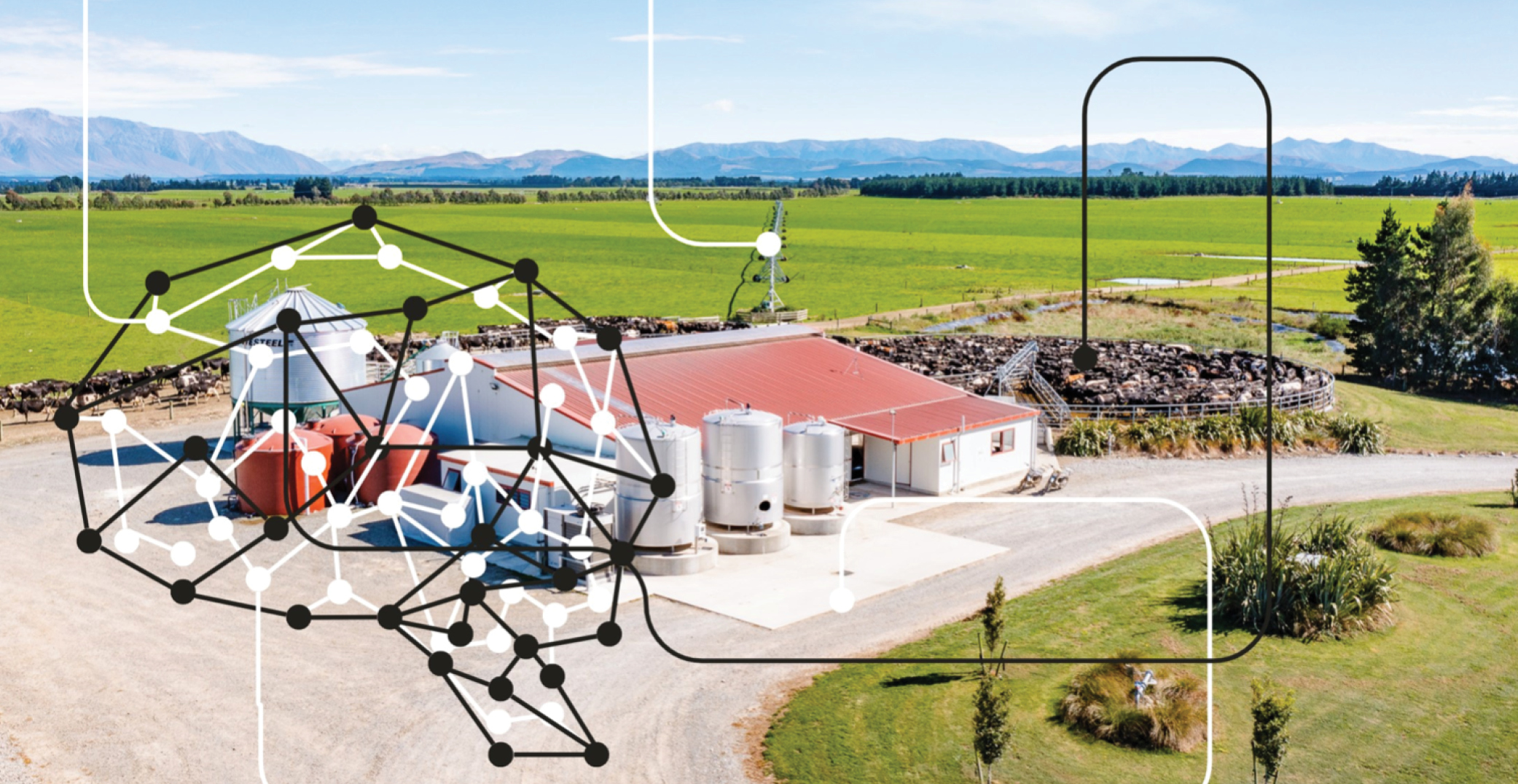
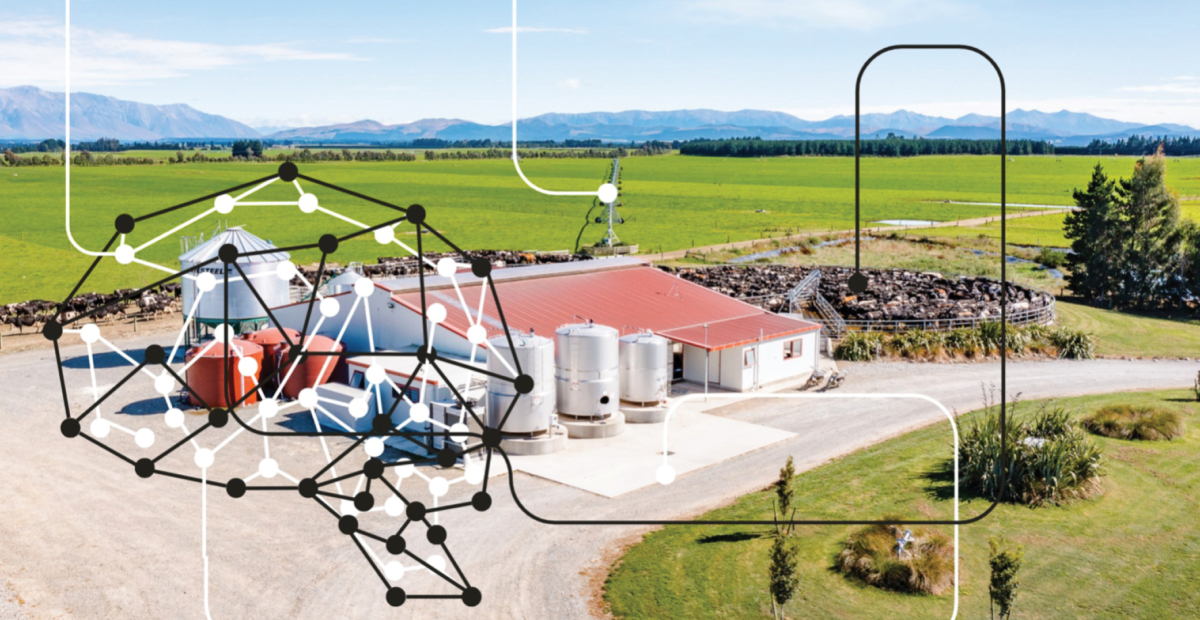
Redefining success. Exploring artificial intelligence for benchmarking in New Zealand’s dairy industry.

Executive summary

The NZ dairy industry is the backbone of NZ’s primary sector and is a substantial contributor to the nation’s economy through both export earnings and the livelihoods it provides for fifty thousand kiwis. Unfortunately, effective Key Performance Indicators (KPI’s) benchmarking between farms is a disjointed, inconsistent process. Business performance measurement is a frustrating undertaking for participants with no standardised metrics nor minimum data quality requirements. The time-consuming process relies on key highly skilled individuals executing a costly assignment full of bias and manual data manipulation.

This project aims to explore the importance of benchmarking with standardised KPIs across the whole NZ dairy industry and investigates Artificial Intelligence (AI) : what it is, and the strengths and weaknesses of implementing AI-driven data management tools, with the potential to enhance KPI performance benchmarking. The outcome of the analytics supporting in depth decision-making with advanced managerial policies.

It is vital that the industry standardises KPIs across the entire commerce model, to drive innovation, and secure its future sustainability but exposing best practice from benchmarking. Ultimately to build more resilient businesses in the sector, we need to automate data management to improve both efficiency and productivity – Artificial Intelligence could be the solution.

The method to investigate the project’s research questions involved a comprehensive literature review; a formal survey was conducted of farmers and industry experts, collecting both quantitative and qualitative responses. Lastly, a thematical analysis was undertaken to identify themes which are discussed and analysed to draw conclusions, prior to applying real-time on farm/in office experience to a high-level solution.

Research Question below set the scope for the project:
1. What is the importance of benchmarking and standardisation of KPIs?
2. What technologies are available in the NZ Dairy Industry?
3. What is Artificial Intelligence and its potential in the Dairy Industry?
4. What are successful AI applications in other industries and countries?
5. How can AI build more resilience for the NZ Dairy Industry?

This Kellogg project navigates the potential relationship between the convergence of benchmarking and AI-automated data tools. Through exploring the necessity of a standardised framework and lessons from AI adoption in other industries and countries. The NZ dairy sector can fortify its position, ensure long-term viability, and contribute to the nation’s economic growth and agricultural excellence by letting our farmers focus on being farmers not data analysts.

Joe Ward

Process mapping within farm consultancy.

Executive summary

Producing food and fibre is complex and will only get more complex in the future. The rural professional support network required has increased in both number and complexity. In a farm consultancy sense, this increase in complexity and work demand creates opportunity to expand business and offer high value expert advice.

Farm consultancy is unique in that the advice sought is often highly customised and depends on a huge number of biological, human and climatic factors. The experiential learning required to provide sound advice takes decades to develop, however, with the everchanging consultancy landscape, there is no longer years available to craft each skill before offering services therefore the methods for shortening this experiential must be explored.

Process mapping is a method used to document the method of turning inputs in to outputs and is utilised in many industries to standardise outcomes and reduce human resource requirements, however little information is available on the possibility of utilising process mapping as a tool within farm consultancy. The purpose of this project is to investigate how process mapping could be used in farm consultancy, and from the findings establish a method for creating a process map which could be applied in a case study setting.
A literature review was undertaken to establish the what, why, who, how and limitations of process mapping for a range of industries. This literature was analysed to obtain key themes to create a method for developing a process map. This method was then applied to a farm consultancy case study which was reflected on to provide recommendations and compare with findings from the literature.

Key Findings:

The application of process mapping in other service industries has been successful in showing improvements across business, customer satisfaction and employee satisfaction metrics, indicating potential benefits that could be obtained through process mapping in a farm consultancy business.

Analysis of the literature provided a framework for establishing a method to process map which could be used in farm consultancy. 12 key steps in process map design have been documented as a framework in this report.

The case study developed based on the process developed indicates many strengths and opportunities for process mapping in a farm consultancy business echoing the benefits seen in other industries. Although there are significant benefits and opportunities to process mapping, there are also weaknesses, threats and risks.

Producing food and fibre is complex and will only get more complex in the future. The rural professional support network required has increased in both number and complexity. In a farm consultancy sense, this increase in complexity and work demand creates opportunity to expand business and offer high value expert advice.

Farm consultancy is unique in that the advice sought is often highly customised and depends on a huge number of biological, human and climatic factors. The experiential learning required to provide sound advice takes decades to develop, however, with the everchanging consultancy landscape, there is no longer years available to craft each skill before offering services therefore the methods for shortening this experiential must be explored.

Process mapping is a method used to document the method of turning inputs in to outputs and is utilised in many industries to standardise outcomes and reduce human resource requirements, however little information is available on the possibility of utilising process mapping as a tool within farm consultancy. The purpose of this project is to investigate how process mapping could be used in farm consultancy, and from the findings establish a method for creating a process map which could be applied in a case study setting.

A literature review was undertaken to establish the what, why, who, how and limitations of process mapping for a range of industries. This literature was analysed to obtain key themes to create a method for developing a process map. This method was then applied to a farm consultancy case study which was reflected on to provide recommendations and compare with findings from the literature.

Key Findings:

  • The application of process mapping in other service industries has been successful in showing improvements across business, customer satisfaction and employee satisfaction metrics, indicating potential benefits that could be obtained through process mapping in a farm consultancy business.
  • Analysis of the literature provided a framework for establishing a method to process map which could be used in farm consultancy. 12 key steps in process map design have been documented as a framework in this report.
  • The case study developed based on the process developed indicates many strengths and opportunities for process mapping in a farm consultancy business echoing the benefits seen in other industries. Although there are significant benefits and opportunities to process mapping, there are also weaknesses, threats and risks.

Key Recommendations:

  • Get started: although a sound process map is required, the key to efficiency finding is to start with a process, and then continually improve the process over time.
  • Of the 12 steps to developing a process map, it is recommended emphasis be placed on ensuring clarity of the purpose of the process map, ensuring all stakeholders have input, developing KPI’s and providing a framework for continuous improvement.
  • There are strengths and opportunities identified in this report which could be beneficial to a farm consultancy, awareness and development of strategies to overcome the weaknesses and threats documented is fundamental as part of any process mapping undertaken to ensure business objectives continue to be met.

Chris Beatson

From supply chain to value chain. Understanding the mindset needed to transition for lamb producers.

Executive summary

Disruption has become a constant condition of doing business. The businesses that are more likely to thrive are those that can not only respond by adapting to continuous change but also become the drivers of that change.

The landscape of farming in New Zealand is evolving. Previously it has relied on low-cost competitive advantage. This has been achieved by either increasing productivity or reducing costs, but it is now becoming more difficult to maintain this. Adding value to the lamb that we produce is seen as a way to adapt to this change and is seen as a pathway forward for lamb producers.

This report seeks to understand some of the existing lamb-selling strategies and the mindset of lamb producers. It then examines how to change from a supply chain strategy to a value chain strategy and what that means for the farmer.

A literature review was undertaken to further understand the research topic. Nineteen semi-structured interviews were undertaken with participants either connected to the Lumina Lamb programme or with a deep understanding of value chains.

Some lamb producers have the same selling strategy that they have always employed whilst others are naturally curious and seeking opportunities, to increase returns and build resilience which leads them to be attracted to a customer-led value chain. This relates fundamentally to a farmer’s mindset and the reason ‘why’. Which was driven by an understanding of the customer, the chef.

Lumina Farmers valued their connection with the chefs. The key to Lumina’s success today is based on communication and transparency of the whole value chain and the ability for farmers to be part of a producer group with similar values.

Farmers valued the connection with other like-minded farmers, the collaboration and opportunity to learn from each other, were powerful, motivating and encouraged farmers to join the Lumina programme. To enable this change, the use of incentives in areas that need behavioural change that benefit the whole value chain would be the biggest challenge for growth.

Recommendations

This report outlines recommendations for companies trying to transition from producing a commodity product to a premium product. Some of these findings will be directed at the Lumina programme, but the concept will have relevance to other sectors and programmes.
To achieve the organisation’s goals Lumina leaders, need to:

1. Actively seek to understand the farmer’s current selling strategy and their mindset.

When looking to bring new farmers into the Lumina programme, the initial focus of the discussion should be to get an understanding of the farmer’s existing selling policies and why their motivations for choosing that strategy. The transition to supplying a premium product could require a change in values and mindset by the farmer.

2. Connect the farmer to the Customer.

Build an attractive connection between Lumina farmers and their customer.

3. Utilise the power of the champions in the Lumina community.

Encourage interaction amongst the farmers of the group, express the benefits of collaboration, to build on the strength that the Programme already has.

Champion farmers as Lumina ambassadors, which will create an environment of excellence.

4. Develop a Road Map for farmers to understand the pathway into the Lumina programme.

Outline the different pathways on how to join the Lumina programme with clear systems in place that outline the requirements and identify the risks and opportunities. And expectations?

Matt Smith, Matthew

Is it worth it? Costs and benefits of reducing greenhouse gas emissions on sheep and beef farms.

Executive summary

Why should sheep and beef farmers decrease their on-farm greenhouse emissions and what is the cost in doing so?

Climate change is directly linked to greenhouse gas emissions and is something that cannot be ignored. Major weather events, affecting the primary sector have highlighted the need for change. 50% of NZ emissions come from the agriculture sector, but at what cost will emissions reduction have on the farmer? Will the potential economic benefits outweigh the costs of current mitigation methods?

This report seeks to inform sheep and beef farmers, which of the current mitigation methods have the least effect on profitability and what economic benefits they may gain in doing so. The focus is on the cost and benefits of on-farm profitability, so concentrates on costs, income streams and potential premiums linked to the reduction of on-farm emissions.

Scenario analysis has been used to model greenhouse gas reduction methods that are currently available on sheep and beef properties, other literature was reviewed to compare methodology and results. A literature review was also used to assess benefits of reducing emissions.

While planting forestry offsets and reducing stocking rates are the mostly available methods, the scenario analysis also explored a combination of both, combined with increases in reproductive rates of the remaining stock units on hand.

Plantation forestry is an opportunity for sheep and beef farmers to use lesser productive areas of their property and along with reducing emissions, provides another revenue stream.

Reducing stocking rates is a solution which requires little initial investment but unless production per head is increased, has a large impact on profitability. A combination of forestry and reduced stocking rates, has the largest emissions reduction but the potential earnings from forestry will not be realised unless production has been increased. This may be unachievable depending on the underlying features of the property.

The demand for reduced emissions is mainly from leadership in organisations such as governments, processors and banks. This is driven by obligations to provide feedback to stakeholders on environmental objectives and align with targets of the Paris Agreement. There is no huge demand for low-emissions meat from consumers as they place greater importance on other factors such as the quality of meat.

An introduction of an on-farm emissions levy or introduction of Agriculture in the emissions trading scheme, in order for NZ to achieve their Paris Agreement obligations would be the greatest incentive to currently reduce emissions.
Based on the analysis, it is recommended that the following is taken into consideration when adopting a method to reduce on-farm emissions:

  • the saving of an emissions levy that the method would provide;
  • if the cost of the mitigation method is more than the expected emissions levy price;
  • reviewing the cost of mitigation on the basis of kilogram of meat produced on farm to determine what premium would be required;
  • if planting forestry, assessment of the expected return on investment and minimum return per hectare required to achieve this;
  • if reducing stocking rates, the ability and extra costs of increasing production per head;
  • demand for reduced emissions from organisations that directly affect the farm business, and
  • consumer demand for low emissions products and their willingness to pay a premium.

Tim Bathgate

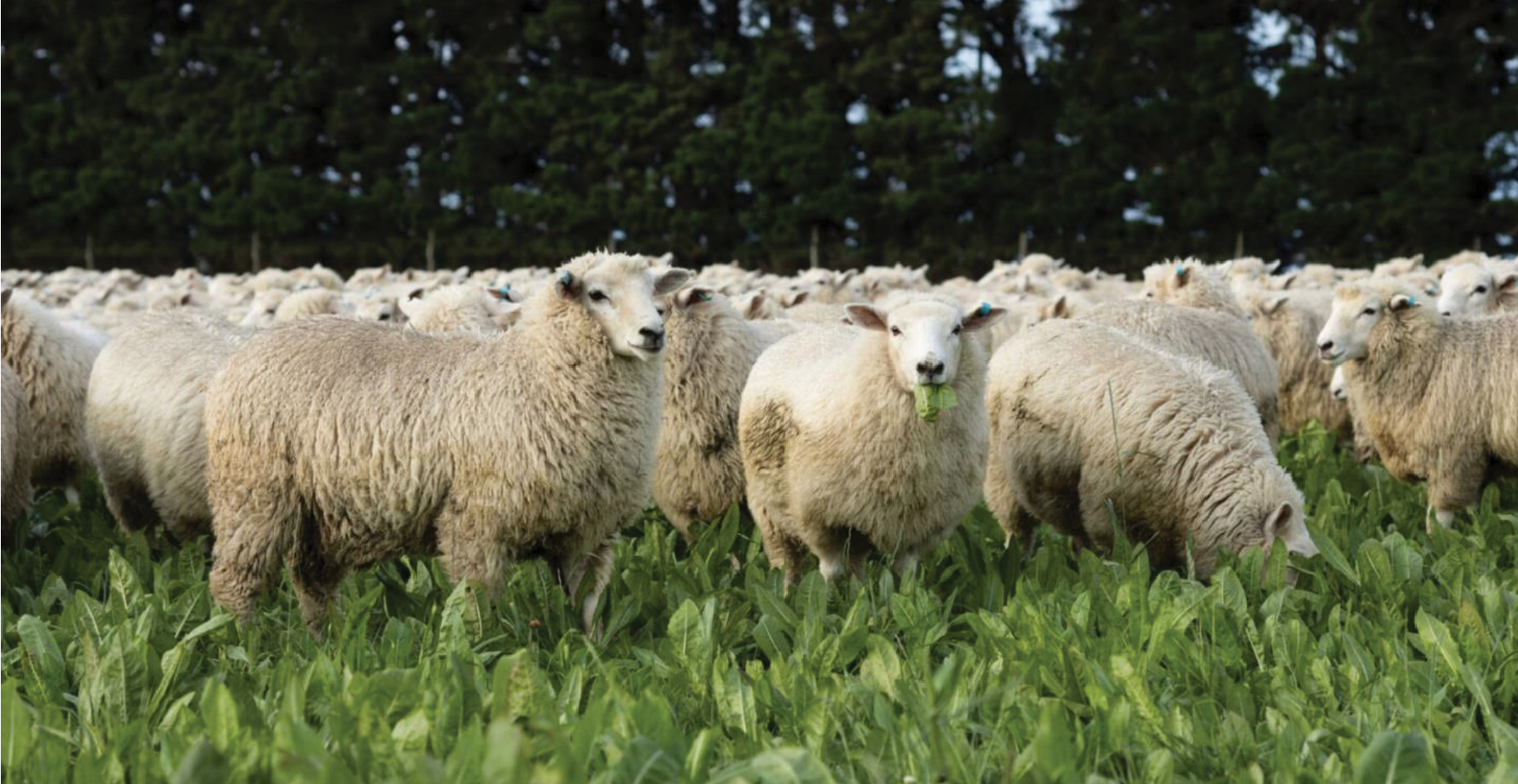
Growers feeling fleeced. How might the market price improve for strong wool growers?

Executive summary

New Zealand farming is synonymous with sheep. Their naturally grown fleece has many unique attributes that make it a “super-fibre”, but competition from synthetic fibres has seen a decline in the popularity of wool over the last fifty years, as synthetics are cheaper to produce and consistently perform well in manufacturing.

Wool used to be the main income stream for sheep and beef farmers and strong wool now is currently a net loss for growers. Sheep still need to be shorn for the health of the animal but considering all the additional costs of doing business these days, removing wool from their business is a choice many are considering.

For generations, New Zealand growers have developed sheep genetics that yield a high quality and quantity of wool and this report highlights the opportunities and markets that still exist and are developing that need their wool clip.

Purpose of report.

The purpose of this report is to understand the structure of the New Zealand strong wool industry. To understand how the market price is determined for strong wool, an industry analysis is conducted, the driving forces influencing the wool market pricing are identified and the opportunities and challenges facing the industry are discussed with a focus on the grower.

This report is aimed at the next generation of decision-makers on sheep and beef farms to inform them of the market opportunities that exist for strong wool and recommend how might the market price improve for strong wool.

Methodology.

A mixed qualitative research approach is used including Content analysis, through a literature review, Semi-structured interviews with fifteen industry stakeholders, and Thematic analysis used to evaluate insights from the interviews. Discussion of the profitability and competitiveness of the New Zealand strong wool industry is completed using Porter’s Five Forces and PESTEL model.

Analysis and Discussion.

Analysis of the themes from interviews and literature found prioritizing quality, collaboration, promotion, environmental sustainability, and global market engagement will pave the way for improved market prices.

  • There is a consumer trend towards natural fibre solutions over plastics and synthetics.
  • There is a demand for quality New Zealand strong wool, and it is well-suited for carpet manufacturing.
  • Competitive rivalry is high within the strong wool industry and profitability is low.
  • There are many other uses for strong wool, and these are increasing as growers and businesses innovate by solving problems with natural fibres, none of which are currently consuming a significant volume to influence the market demand.
  • Quality strong wool will sell well, but to what degree? that is influenced by the additional value created through collaboration with businesses well connected to the consumer.


Recommendations.

  1. Growers to ensure a quality clip is produced and well prepared for sale.
  2. Growers to collaborate with other wool suppliers and supply chain partners. This is key to creating additional value and a unique value proposition with their strong wool clip.
  3. All stakeholders are responsible for promoting wool and its advantages to consumers.

Annabel Barnett

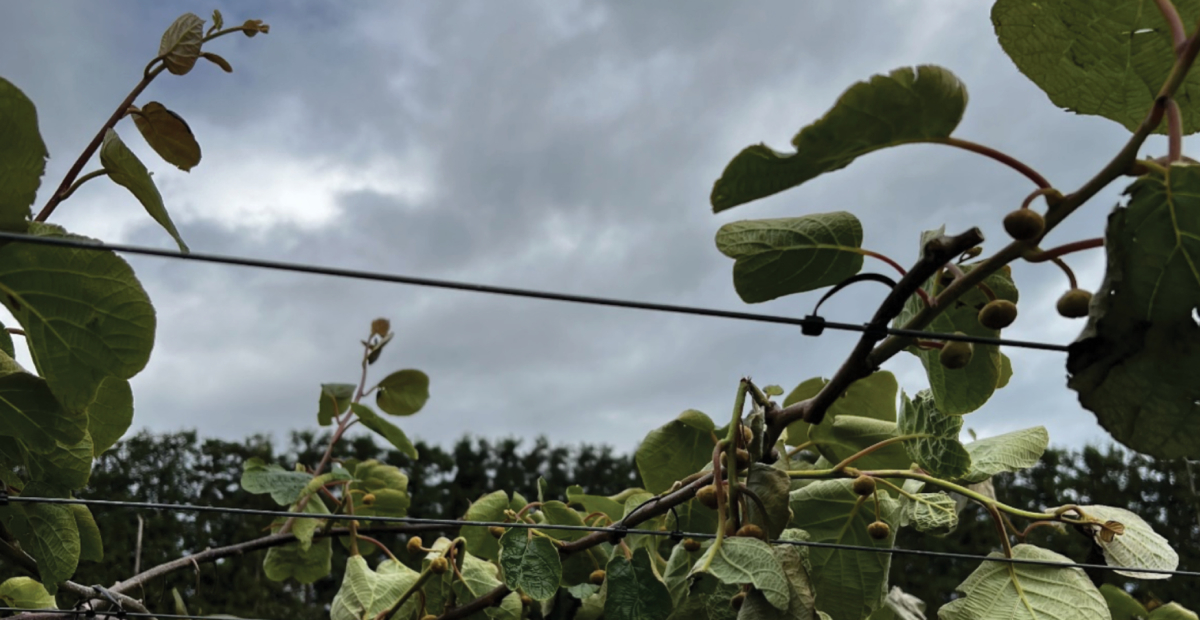
Climate resilience. How might we build resilience with kiwifruit growers in a changing climate?

Executive summary

The kiwifruit industry is New Zealand’s largest horticultural exporter, responsible for 40% of all horticultural revenue (Aitken & Warrington, 2021) and in 2021, celebrated a record-breaking harvest exceeding $4 billion of global revenue (Burke, 2023). The impacts of climate change are being felt in the industry and will continue to have an impact on kiwifruit growing seasons into the future.

The purpose of this report is to collate scientific climate change data, analyse the likely impact this will have on key kiwifruit growing regions and summarise strategies to help kiwifruit growers build climate change resilience.

The aims of this report are to:

  • Outline the likely impacts of climate change for New Zealand.
  • Understand the current impacts of climate change on kiwifruit growers and where the greatest risks are for the future.
  • Provide recommendations that will help build resilience and give growers confidence going forward.

The methodology for this report was based on the three-legged stool model. This included conducting a literature review, semi-structured interviews, and a thematic analysis to discover new knowledge to help build climate change resilience amongst kiwifruit growers.
The four main areas of climate change impact are:

  1. Average temperatures are set to increase.
  2. Minimum temperatures are set to increase.
  3. Average rainfall (precipitation) will be varied across the regions. The upper North Island is likely to become dryer.
  4. Hot days (>25 oC) are likely to become more frequent with impacts posing a moderate risk.

These climate change impacts will have two major impacts on the kiwifruit industry. Firstly, there will be a decrease in winter chill hours, directly affecting the number of flower buds produced. Secondly, there may be a shift in suitable kiwifruit growing regions due to increasing temperatures. Regions that were formerly too cold and presented frost risk, may become more suitable than current regions.

The findings from semi-structured interviews and thematic analysis identified the following recommendations to help growers build climate change resilience:

  1. Growers should work to become financially resilient by building reserves for responding to future climate change events.
  2. Prior to purchasing a new orchard, due diligence should include climate change impacts.
  3. Climate change is not a static problem. Adaptability is an essential attribute for growers to maintain their climate change resilience.
  4. Collaboration will be key in responding to climate change. Growers, postharvest and Zespri all have their part to play.

Transparency of data from postharvest and Zespri is needed to give growers confidence in the longevity of the kiwifruit industry.

Bryce Morrison

Commercialisation learnings for Agritech

Executive summary

There is a growing global demand for agritech to solve major global issues, such as climate change, water use and quality, and increased yields from food and fibre to feed the world’s population.

Whilst New Zealand has a proud history of primary sector innovation, there are only a handful of agritech companies of international significance. The 2020 Aotearoa Agritech Unleashed Report opined; “Compared to our international peers we are punching below our weight in our relative economic value and export earnings from agritech”.

What can New Zealand agritech companies do better to commercialise their innovations to grow the sector, but ultimately to help solve these global challenges and in the process advance New Zealand’s international competitiveness in primary production and grow our export earnings.

This report has undertaken to seek learnings and insights of what successful commercialisation of innovation looks like and apply this to a New Zealand agritech context to present key denominators for successful commercialisation of agritech.

The study completed literature reviews of academic, industry and business publications across innovation and agritech, together with semi-structured interviews with New Zealand agritech practitioners.

Thematic Analysis was applied to the body of research and interviews to capture the Key Findings and related Recommendations as follows:

1. Engage in Critical Self-Assessment:

Critically evaluating whether the agritech founder has a minimum viable product with initial customers to get to the start line. To be commercially successful at scale requires ongoing discipline for critical self-assessment of:

  • Total addressable market; develop a clear understanding at the outset of the addressable market, validating the innovation to that addressable market, what investment is required and the profit model.
  • Founders’ skills, traits and shortcomings; actively build a team with complementary skills and capabilities requiring the right industry and functional expertise (technical, operational, commercial and financial) with an ability to execute.

2. Value Proposition:

Develop and define a clear and (relatively) material value proposition for the adopters of the innovative solution. The Founders need to be focused on delivering a client solution (not an innovation).

3. Business Model:

Bring together the component parts to execute the commercialisation growth, including:

  • Product and market lifecycle; recognise and plan for the innovation to evolve from the initial core product and early adopter market to an augmented solution delivered and serviced for a mainstream market which requires active planning for channel to market, wrap-around solution, communication strategies and services model.
  • Resources; The resources required to execute, not just the team and governance, but broader relationships, suppliers, channel partners, components, facilities etc.
  • Profit Model & Capital structure; continually evaluate the commercial model and align with a fit for purpose capital structure. If external capital is required to support the company to break-even, then ensure that “smart” capital is pursued with the right industry experience and networks for execution.

The approach and recommendations have been brought together into a Framework of Key Denominators to Enhance Successful Commercialisation of Agritech (show in Figure 11 of the report).

The key themes, or denominators are all inter-related, they cannot be approached or applied in isolation. The framework is not a one-size-fits-all but a valuable roadmap to be evaluated and adapted for each unique agritech innovation and market opportunity.

Murray Dyer

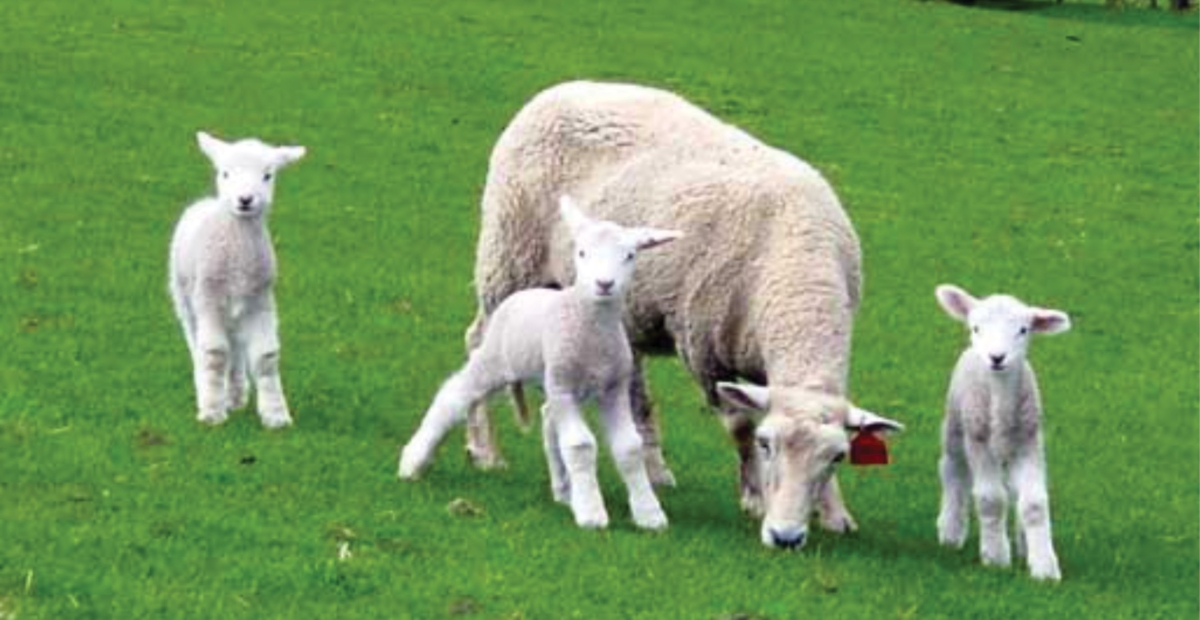
Addressing Mortality in New Zealand Lambing Systems.

Executive summary

The New Zealand sheep industry has become increasingly productive in recent decades. This has been achieved primarily through the fecundity and improved feeding of modern sheep breeds. While impressive, this world-leading production has created unintended consequences in the form of excess mortality rates. This is most notable in triplet-bearing ewes, mated hoggets, their offspring, and all lambs in adverse weather conditions.

New Zealand farm systems have a reputation for being free-range and pasture-based. Currently, consumers are unaware of, or accept a certain level of death as a natural outcome of this free-range system. However, the industry must consider whether the increasingly conscientious customers and consumers will accept high mortality levels in sheep flocks, particularly if they understand the inflated death rates following storm events and the regular wastage in higher-risk animals.

This project explores how New Zealand sheep farmers can improve livestock survival during the lambing season. Information was gathered through literature reviews, 10 expert interviews, 10 farmer surveys and three case studies. Key findings were:

  • Death rates in triplet-bearing ewes and their lambs are significantly higher than in other stock classes and the majority of these deaths occur during the lambing period
  • Industry experts and farmers unanimously agreed that lamb mortality is a problem and needs to be addressed, but few have management solutions for triplets, and a portion of farmers actively ignore the issue
  • There is a minority of top-performing farmers with management plans in place who achieve far below industry-average death rates
  • For improved welfare, mated hoggets require intensive management through the lambing period
  • There is a lack of collaboration between government and industry in funding applied science and performance-based studies to innovate further solutions
  • Farmers believe Beef + Lamb NZ should increase investment in research and development and extension work
  • While there are no market signals that current wastage is an issue, there was unanimous agreement that it could be a trade barrier. Comparisons should be made to bobby calves and future legislation being superseded by industry requirements
  • To drive behaviour change and improved outcomes, a culture shift amongst farmers is required where animal welfare is viewed as paramount through the lambing season and high wastage rates are frowned upon and considered unacceptable by peers.

These key findings were evaluated and recommendations were made to the industry. These are summarised below:

1. Conduct market research to assess perceptions of wastage in NZ lambing systems and the risk this could pose in accessing premium markets.

2. Investigate and understand the extent of wastage in New Zealand lambing systems and subsequently innovate solutions to reduce mortality. The sector should increase investment in research and development and explore opportunities for collaboration between MPI and the science community.

3. Identify innovators who are achieving industry-leading survival rates, and analyse their systems to gauge financial implications and the potential for broader uptake.

4. Improve extension services with an increased focus on wastage. Teach best practice management and distribute new innovations. The rapid development of extension modules and ready-to-present workshops specifically focusing on improving survival are required.

5. Empower industry experts and incentivise further interaction with farmers to promote discussion and make this issue front of mind for farmers.

12.0 Recommendations for Industry, Pg 48 explores these recommendations in more detail.

Richard Dawkins

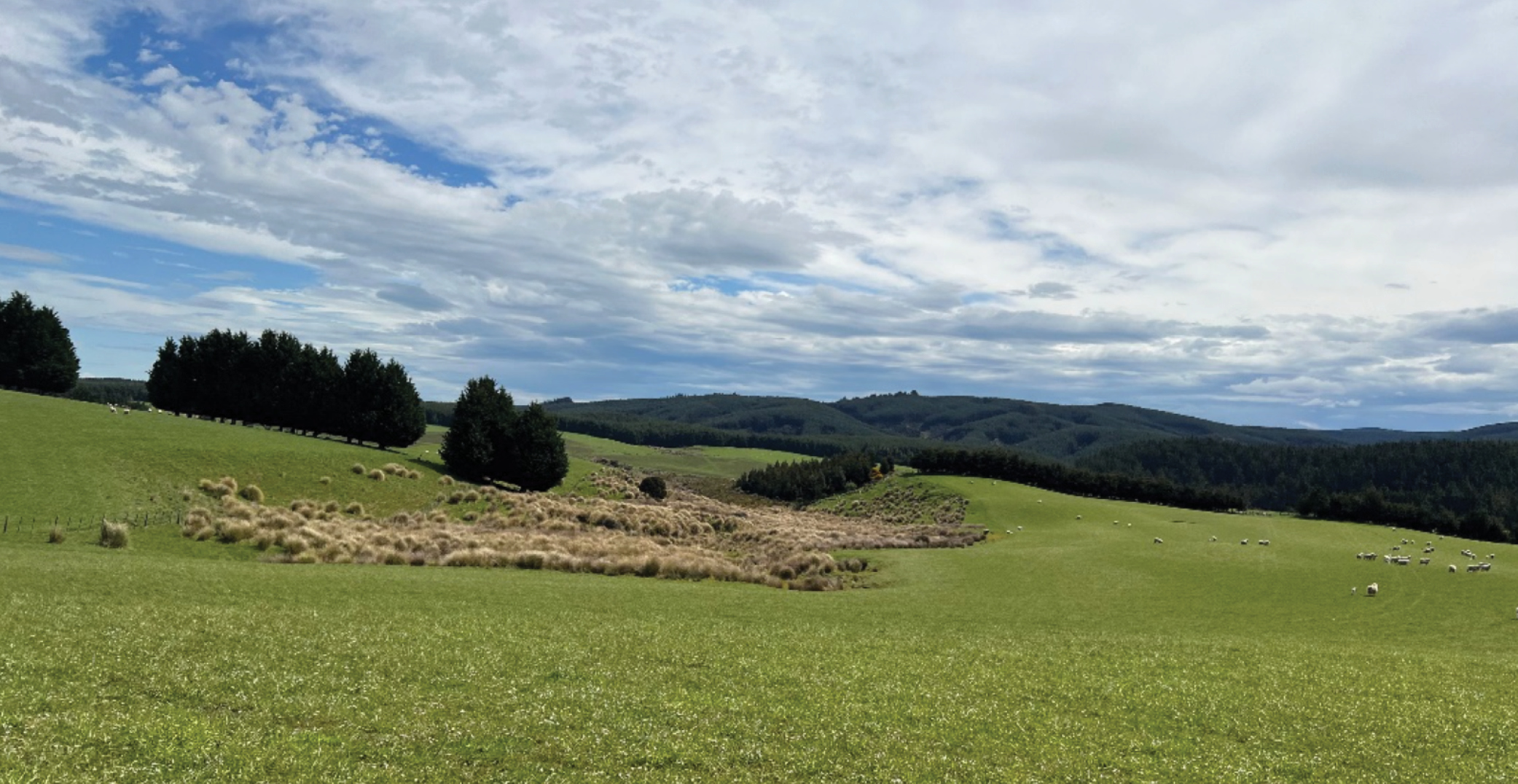
How might Manawatū-Rangitīkei sheep and beef farmers futureproof their land?

Executive summary

Farmers adapt to the weather as part of their everyday decision-making on farm. Evidence suggests that, for New Zealand, the climate will change more significantly in the years between 2040 and 2090. How might Manawatū-Rangitīkei sheep and beef farmers adapt to the changing climate and futureproof their land?

The purpose of this report is to translate scientific climate modelling into practical contexts for Manawatū-Rangitīkei sheep and beef farmers and consultants.

This report aims to provide knowledge of:
1. Climate change predictions within the century.
2. What risks and opportunities are associated with climate change predictions.
3. What practical short to long-term actions could be considered that might future-proof farming businesses?

The methodology involved a literature review, followed by semi-structured interviews which formed qualitative research into futureproofing solutions.

The key findings are four climatic attribute changes to be aware of:
1. The frequency and intensity of drought.
a. By mid-century, a rainfall deficit of 50mm – 75mm per year.
2. The number of ‘hot days’ over 25oC.
a. By mid-century an increase of ‘hot days’ over 25oC, between 40% and 100% per year.
3. The frequency and intensity of adverse and compounding weather events.
a. El Niño and La Niña natural weather cycles exacerbated by climatic changes globally.
b. More severe adverse weather events, their frequency requiring more research.
4. An increase in temperature.
a. By the end of the century, an increase of 0.7oC – 3.1oC under the Representative Concentration Pathway’s (RCP) 2.6 and 8.5.

Recommendations to Manawatū-Rangitīkei sheep and beef farmers and consultants:
1. Use credible, trusted, and up-to-date sources of information to inform opinions about the changing climate.
2. Learn from advisors who collaborate closely with the scientific community and can translate data into meaningful, practical contexts.
3. Assess the current farming system concerning the top four climatic attribute changes and identify relevant, attainable, short to long-term actions, that may futureproof the business.
4. Build financial resiliency to be able to absorb hits and invest in futureproofing mitigation solutions.
5. Identify primary land use resources and their potential alternate use, if the existing system needs to change in the future.

Grace McLeay