
This report on the Veterinary Club movement in New Zealand is made up of two parts. Firstly I have researched and detailed a brief history of the development of the Veterinary profession in New Zealand with particular emphasis on the promotion of veterinary clubs as a means of achieving the rapid increase of professional services required by the post-war livestock farming boom. The successful achievement of an adequate farmers veterinary service in all but a few isolated areas in about ten years can be largely attributed to the Veterinary Services Council set up in 1946 to promote and encourage the provision of an efficient veterinary service for the owners of livestock in New Zealand. After a period of consolidation including the establishment of regional diagnostic stations and the veterinary facility at Massey University the Vet Club movement and its parent body the V.S.C. are now at the crossroads and considering their respective roles in the modern farming world. Ttlei r his Lory ~rovid es a useful r ec ord of and tribute to the achievements of those involved in that it gives an insight to the reasons for the decisions made over the last few years and under consideration at this very time regarding the future role of the Veterinary Services Council. Secondly I have attempted to examine and analyse the issues involved as to whether the V.S.C. in its present form is the appropriate body for its future twin roles of firstly acting as the parent body to the 63 Veterinary clubs involved in the provision of clinical services to livestock and secondly in the promotion of a practitioners advisory service in a role of preventive veterinary medicine.


 2025
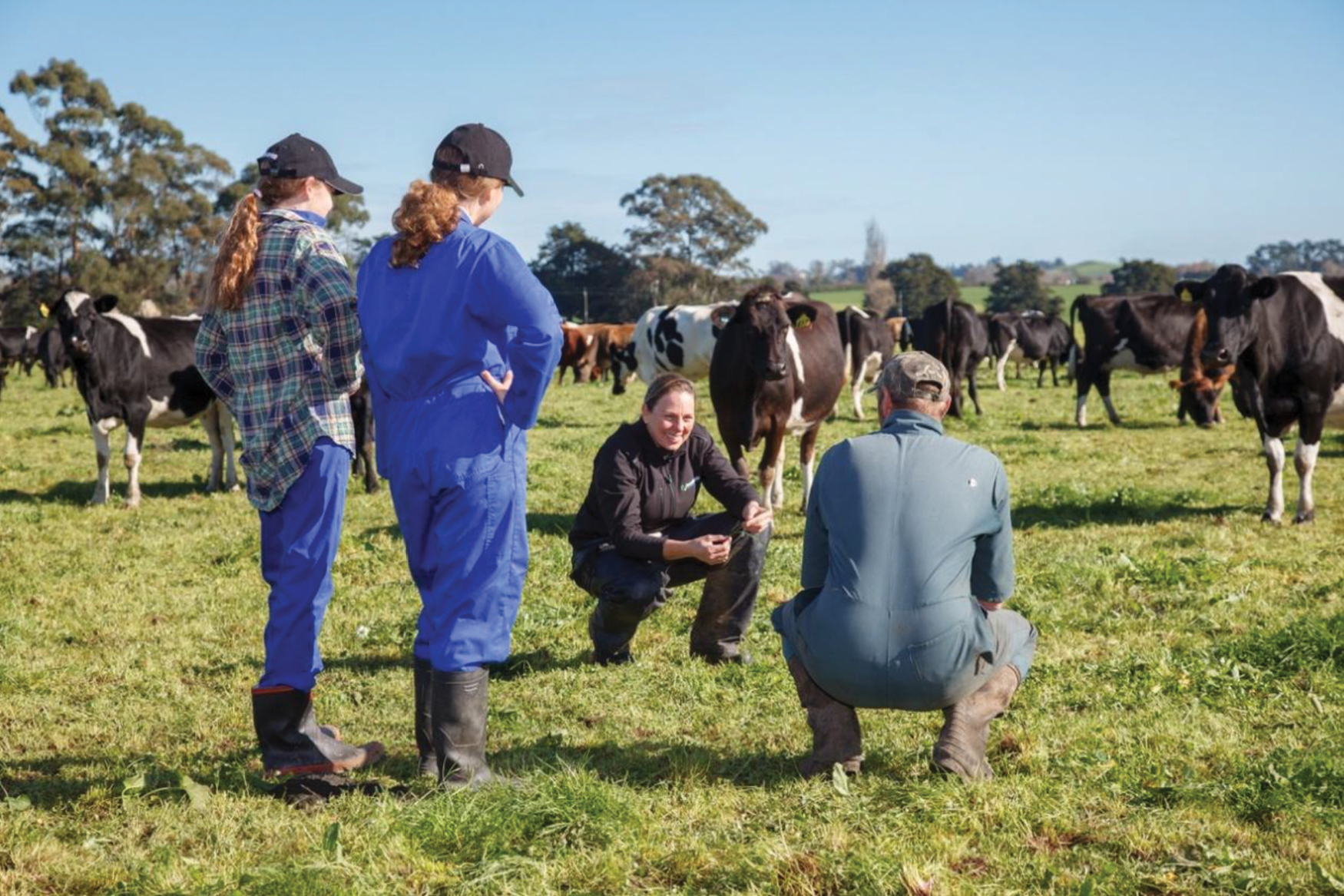
2025 Dairy Farmer-Female Veterinary Adviser Relationships in New Zealand
This report by Katrina Roberts highlights that strong farmer-female veterinarian relationships improve advice uptake and farm outcomes. Findings emphasise personal connection, trust, communication, and shared ...
 2025
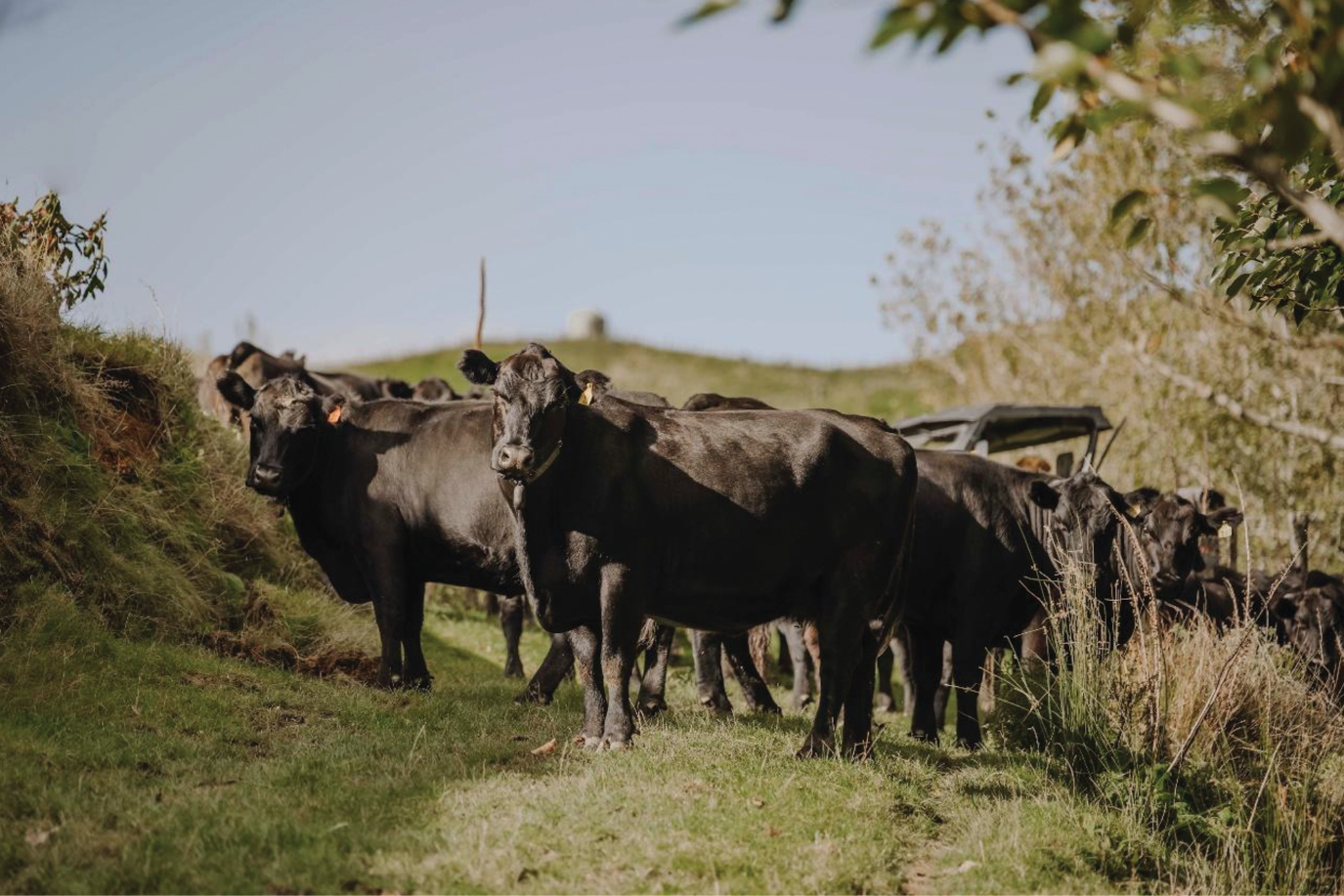
2025 Beef on the Brink of a Tech Revolution: Wearables on NZ Hill Country
This report by Natasha Cave examines virtual fencing for beef cattle, its potential to lift pasture management and environmental protection, while emphasising that success requires ...
 2025
2025 How do we Develop Financial Literacy in Rural New Zealand?
This report by Morgan Jones tackles the financial literacy gap in rural NZ by exploring tailored, accessible education strategies for farmers, growers, and professionals.