
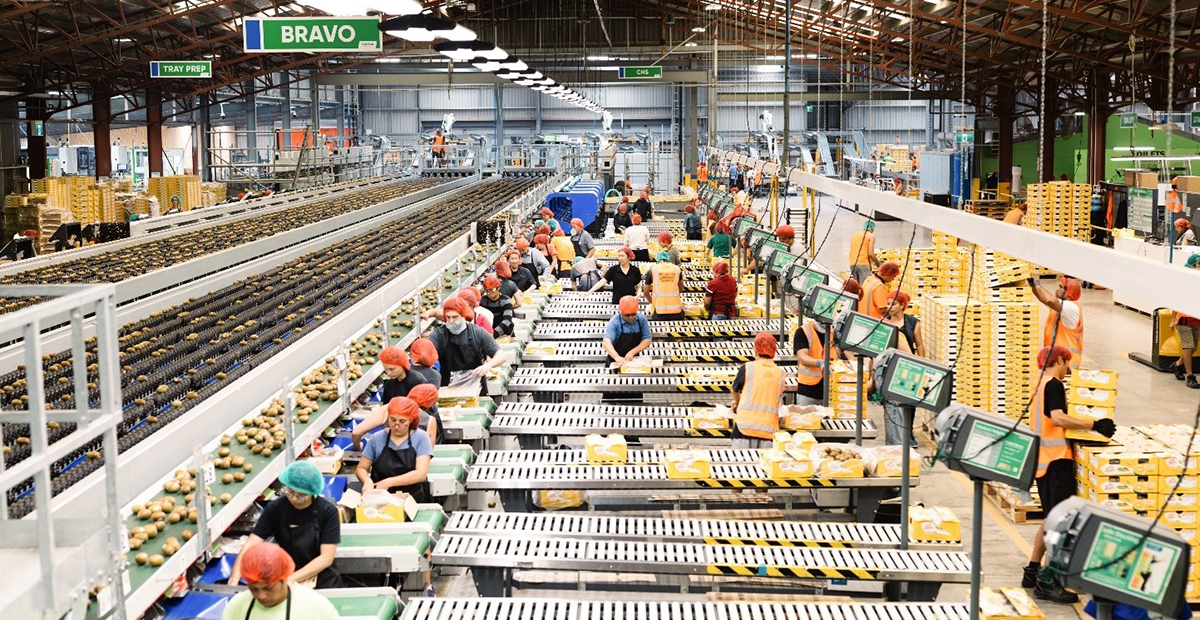

Seasonal horticulture work requires a group of individuals from diverse cultures, work experiences, and employment motivations to form a team in a short period of time. Often in the span of a few days, these workers are recruited, divided into teams, trained, and put to work. Their success in quickly forming a high performing team is directly linked to the success of the harvest season.
There is no shortage of research on how to build a high performing team, but seasonal horticulture work presents a few unique challenges that makes it difficult to blindly apply these methods:
- Time Constraints – The entire season lasts only a few months
- New Employees – Most seasonal workers are new to the company and to the industry
- Demographics – Seasonal horticulture workers come from incredibly diverse backgrounds.
This report aims to provide recommendations on how leadership and team building models can best be adapted o suit these unique challenges.
To achieve this, a deep understanding of the demographics and cultural norms of New Zealand’s seasonal horticulture workforce was a primary research focus. This cultural understanding was then overlaid with current best practice team building, leadership, and engagement models.
Recommendations
- Understand Your Seasonal Workforce – The first step to building a high performing team from a collection of seasonal workers needs to be understanding who those workers are. Any process for building a high performing team with members of various cultures should acknowledge and
respect the cultural differences amongst the team. - Tailor Your Leadership Approach – Tailor your leadership style to the needs of your team. Communication is key. With a seasonal, culturally diverse work team, the leader needs to take this a step further, helping the individuals find common ground and bond as a team before they align to a common purpose. Facilitate effective communication within the team to build these personal bonds. Follow this up with clear, consistent communication to the team.
- Develop a Structured Team Building Plan – Understand the Forming-Storming-Norming-Performing-Adjourning model of team development. A guide to applying this for seasonal work is found in the Appendix. This should be a starting point and adapted to the unique norms of your own work team.
Dustin Rothstein