
This investigation, of how self-concept labels influence the adaptation of overseasborn partners of New Zealand-born farmers into rural New Zealand, was designed to look at why some partners successful make the transition to rural New Zealand and farming, while others struggle. The hypothesis is that if immigrant partners can change the self-concept labels they use to identify themselves then they will be more able to successfully adapt to rural life. However the results are not conclusive enough to prove or disprove this. The investigation was conducted using a focus group of seven participants who were all born overseas and have immigrated to rural New Zealand to marry/cohabit with New Zealand born farmers. The results focus on the shifts in self-concept labels amongst the group. They also explore labels that remain the same both before and after adaptation for a number of the participants. There is also discussion on two predominant self-concept labels that were identified, “family orientated” and “strongly connected to heritage”.


 2025
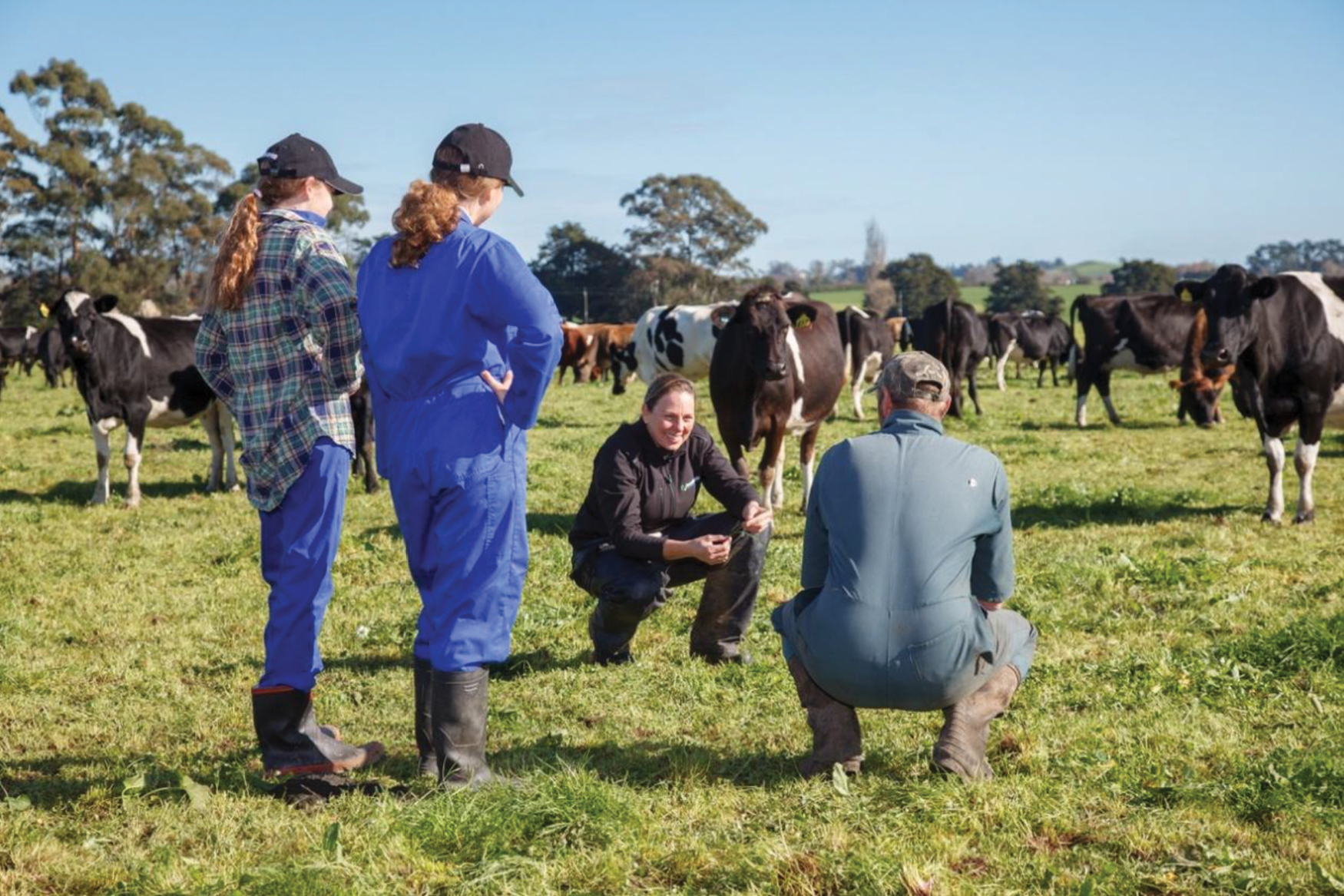
2025 Dairy Farmer-Female Veterinary Adviser Relationships in New Zealand
This report by Katrina Roberts highlights that strong farmer-female veterinarian relationships improve advice uptake and farm outcomes. Findings emphasise personal connection, trust, communication, and shared ...
 2025
2025 From Seed to Success: Transitioning Farm Ownership in New Zealand and The Ownership Equation: Exiting with Value. Entering with Vision.
This report explores NZ’s changing farm ownership landscape, noting declining traditional pathways, rising land costs, and limited capital access. Models like equity partnerships show promise. ...
 2025
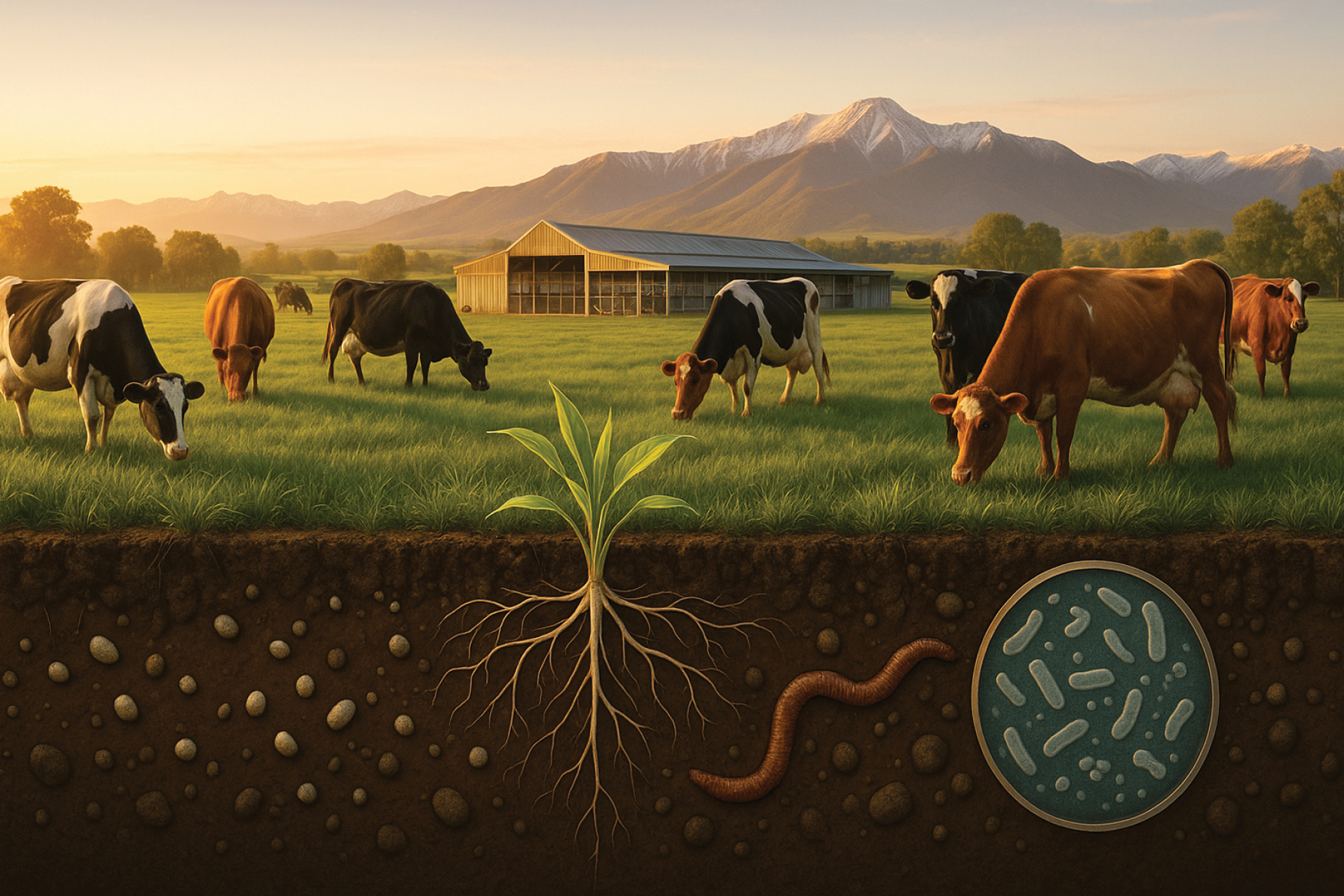
2025 The Soils Gap: Interactions Between Science, Commerce and Culture
Soil lays the foundation of all farming productivity. Farmers’ soil management is influenced by multiple factors, especially scientific perceptions. Studies on soil function and productivity ...