
The fortunes of farmers and agricultural aviation operators are inextricably linked. Poor returns for sheep and beef farmers have resulted in a reduced demand for fixed wing agricultural aviation (FWAA) services in Marlborough. As a result both of the locally based operations are struggling for profitability. This presents the real threat that farmers may soon be without a locally based fixed wing service. With sheep and beef farming in Marlborough becoming increasingly confined to the hill country farmers require a locally based operator to provide cost effective spraying, oversowing, poisoning and specialist fertiliser application services. All are of a timing critical nature. Without these services the ability of farmers to improve the productive and financial performance of their properties will be severely compromised. The objective of this report has been to identify and investigate the major issues facing fixed wing agricultural aviation in order to ascertain what opportunities exist to help secure affordable and sustainable FWAA services in Marlborough.


 2025
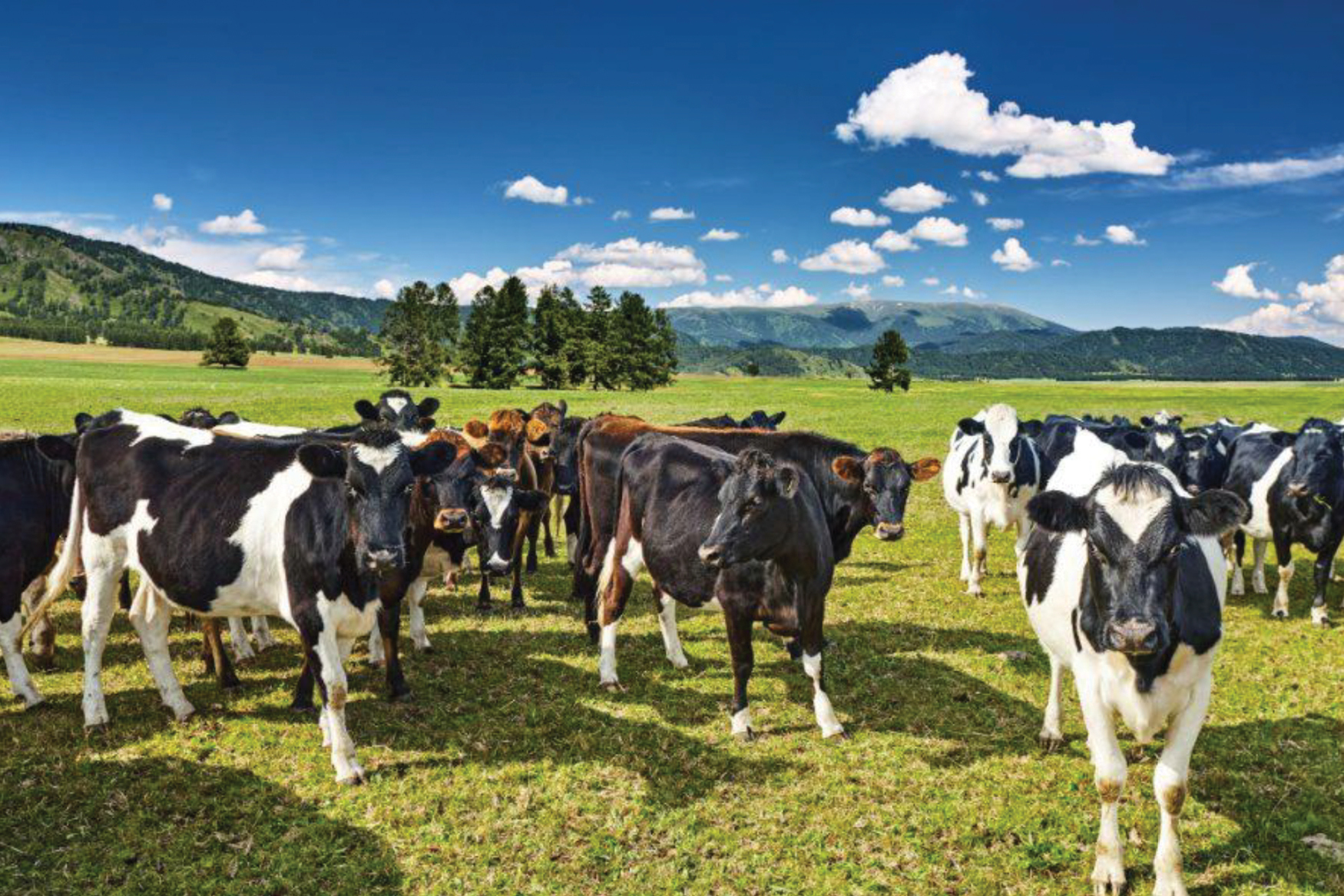
2025 Smart Nutrition, Stronger Herds: A Holistic Approach to Dairy Excellence
This report highlights the underutilised role of nutrition in New Zealand’s dairy sector. It identifies gaps in training, technology use, and knowledge integration. Key recommendations ...
 2024
2024 Opportunities and Challenges for the Future of Arable Farming in Canterbury
This report aims to provide insight from a grower’s perspective on the opportunities and challenges of arable farming in Canterbury for the future.
 2024
2024 Let’s eat meat!
This research examines why lean red meat is good for your immune system, brain health, and weight management, as well as some challenges and opportunities ...