
This research report is about probiotics, a natural means of promoting health, disease resistance and productivity in both plants and animals. The report draws on many information sources, from books, journals, trial information brochures and an interview with Dr Tim Jenkins, a prominent New Zealand microbiologist and formulator of some unique probiotic products. The report gives an outline of the history and development of probiotics, looks in depth at both ruminant and plant/soil models for the use of probiotics, and reviews some result averages. From there is a look at the use of antibiotics in agriculture, and some of the inherent issues and problems for the future. The report then looks to assess the role of probiotics in sustainable agriculture and looks at potential future directions for probiotic research and applications. In all the report gives an overview of the development, the how, when and why of use, some quantification of measured results, and an in-depth look at the potential for probiotics to used as a natural alternative to antibiotics.

 2025
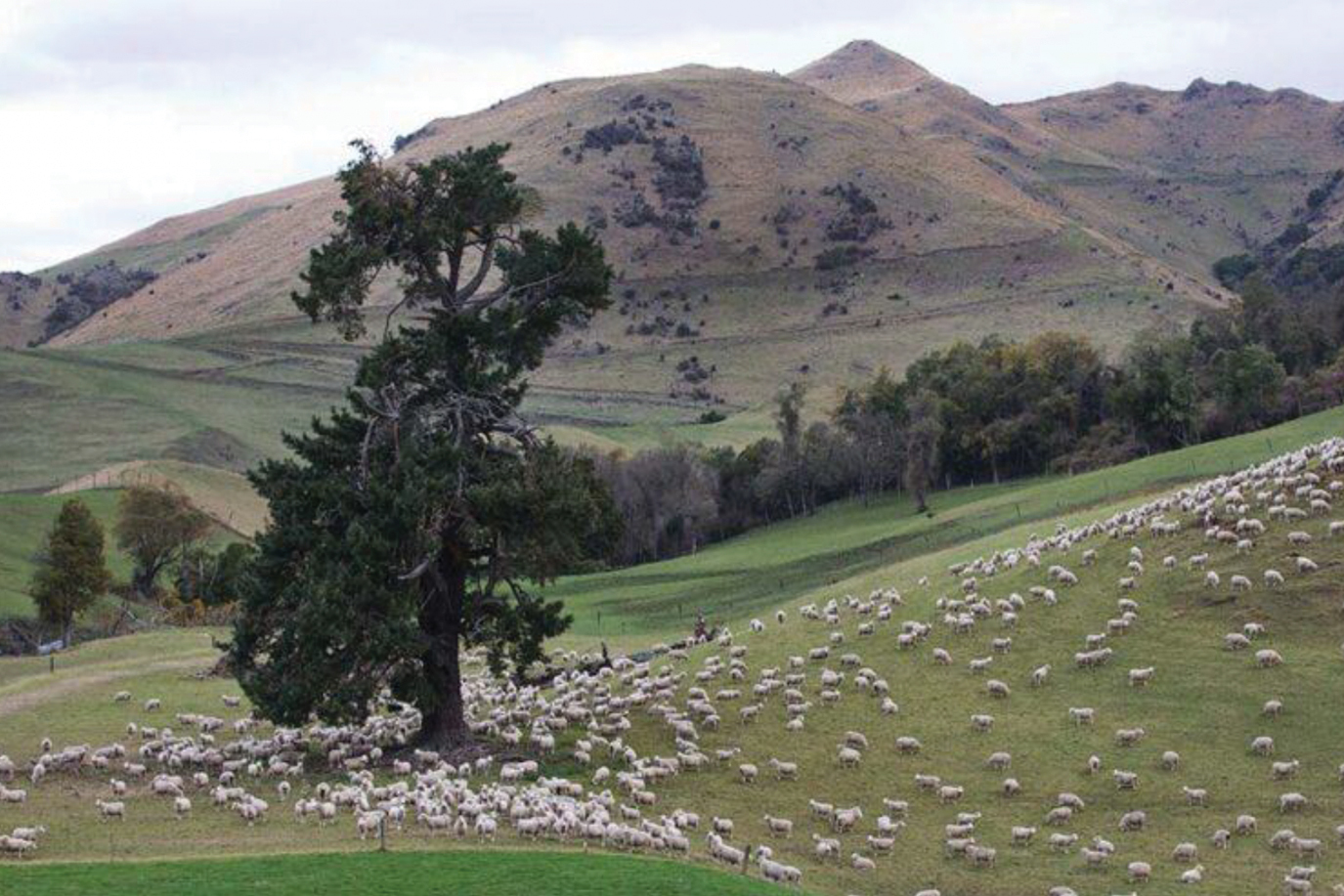
2025 What are the Key Considerations of Weighing Technology Adoption on Sheep and Beef Farms in NZ?
This report by Campbell Smith looks at the adoption of livestock weighing tech lags due to trust, usability, integration, support, cost thresholds, and peer influence ...
 2025
2025 Guardians or Executioners – Navigating the Ethics of Deer Control
Phil’s report examines the expanding deer population across Aotearoa New Zealand, its ecological and economic impacts, the limitations of current management, and the ethical tensions ...
 2025
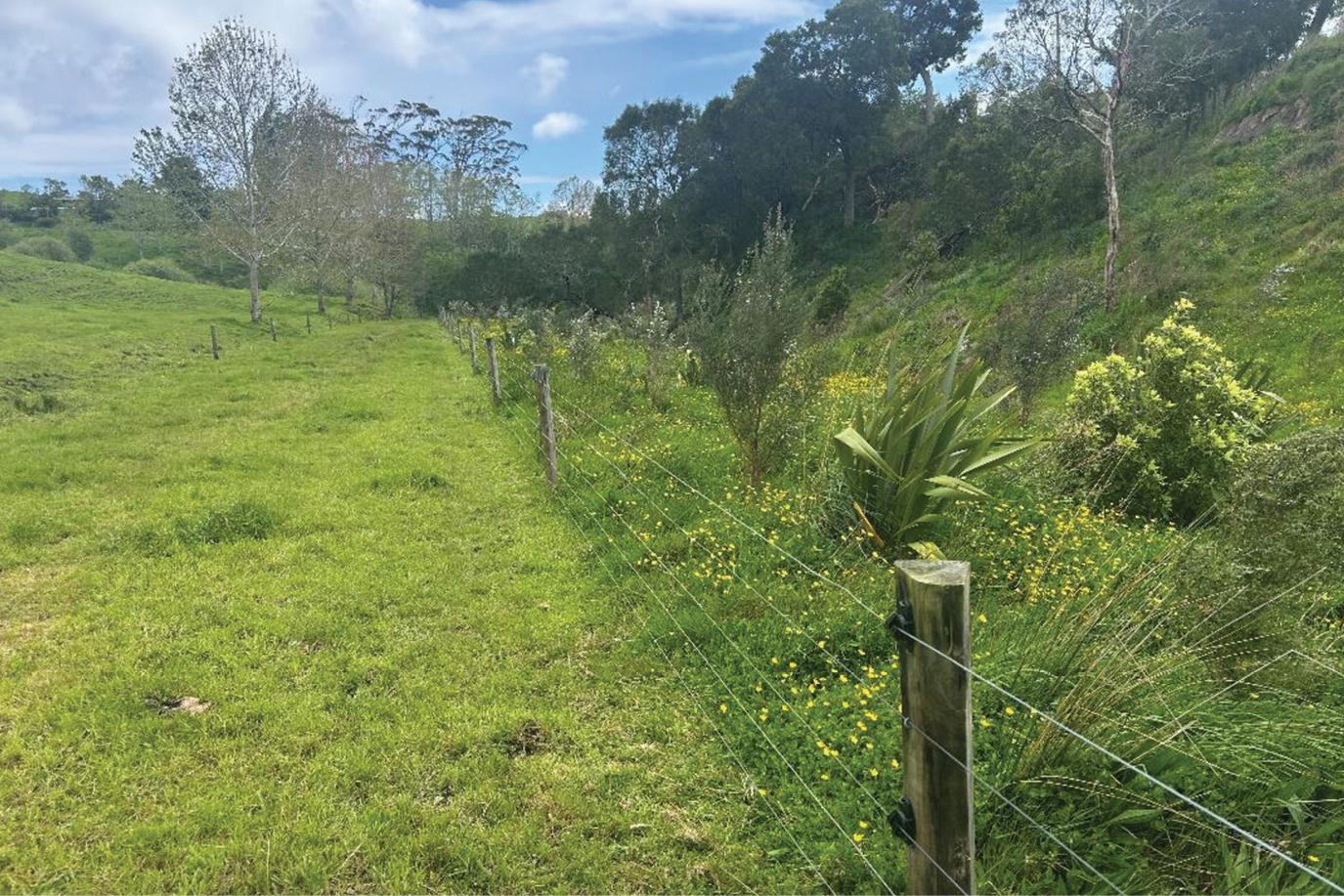
2025 Are Biodiversity Credits an Opportunity for Sheep and Beef Farmers?
Farmers show strong interest in biodiversity credits, but high administrative costs and unclear financial incentives remain challenges. This report by Tim Orlando-Reep recommends simplifying measurement ...