
This report covers two surveys that were conducted to determine how postgraduate education can be delivered in the Bay of Plenty, to best meet the kiwifruit industries needs. CEO’s and chairmen of seven postharvest facilities covering 65% of the national kiwifruit crop and 50% of the avocado crop were interviewed. They were very positive about initiatives to get MBA type programmes delivered in the Bay of Pienty. There is a clear preference for developing business and leadership skills, and to a lesser extent horticultural skills. Science based graduates working in the industry are more interested too in developing their business skills, with only a minority who would consider taking further papers developed especiaiiy forthe kiwifruit industry. However short courses in specific kiwifruit topics would be considered by the majority of graduate employees. To enhance uptake of any courses, they need to designed to take account of the seasonal demands on the time of industry participants.


 2024
Creating a Thriving Food and Fibre Sector for Rangatahi in Aotearoa: He Ara Whakatipu
The food and fibre sector, a cornerstone of Aotearoa’s economy, thrives when rangatahi Māori lead. This report outlines barriers, strategies, and a vision for inclusivity.
 2024
Kaitiakitanga as a pathway to enduring prosperity
This report aims to show how Māori land trusts in Te Moana a Toi apply Kaitiakitanga principles to achieve sustainable governance and long-term intergenerational well-being.
 2025
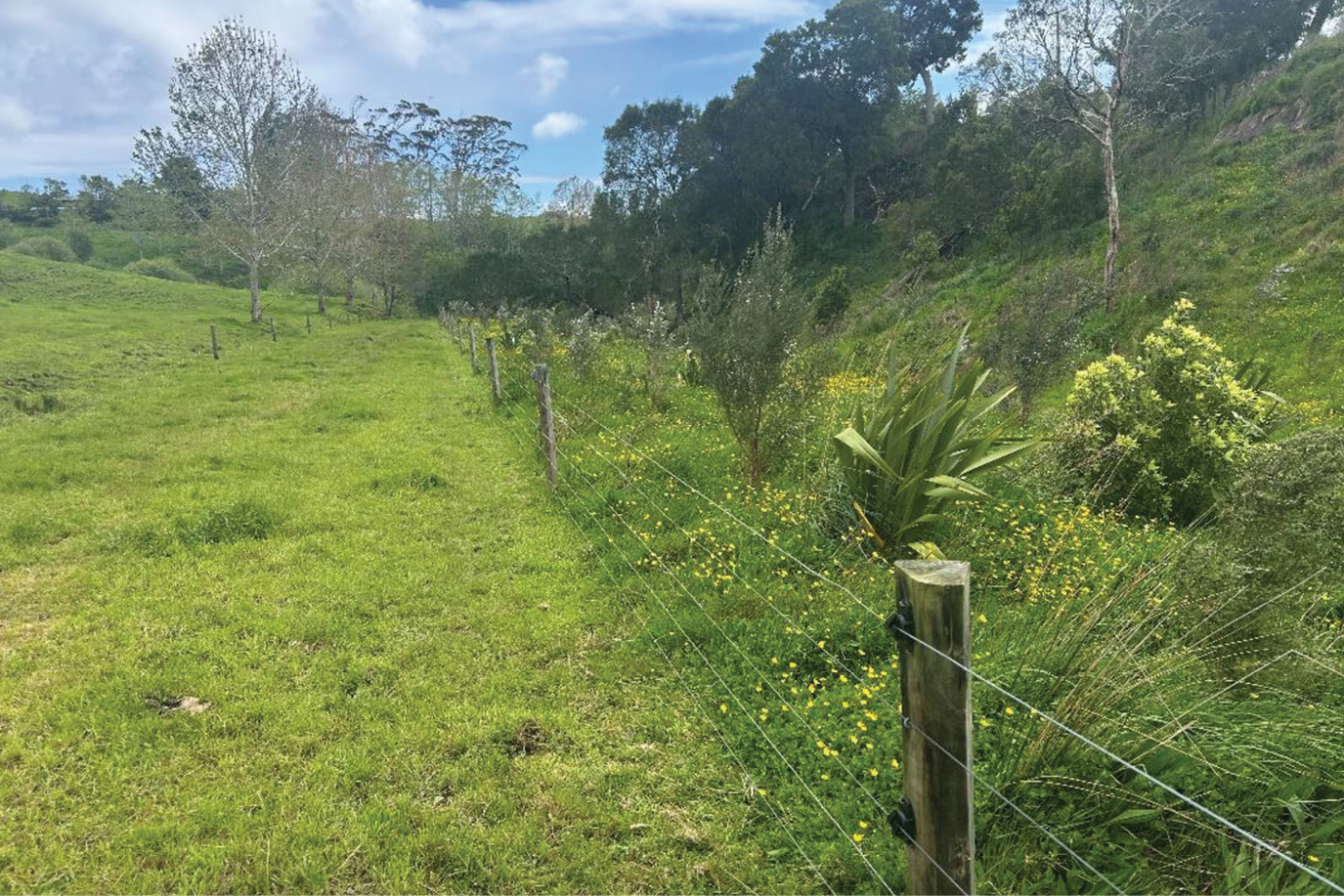
Are Biodiversity Credits an Opportunity for Sheep and Beef Farmers?
Farmers show strong interest in biodiversity credits, but high administrative costs and unclear financial incentives remain challenges. This report by Tim Orlando-Reep recommends simplifying measurement ...