
There is today no country in which man has not acted either as an agent of destruction or creation, New Zealand is no exception. In the early 1840’s man once again started to influence the environment with the introduction of animals in to New Zealand. One predator that is causing a lot of concern today and threatens our wellbeing as an export primary producing nation is the Bushtail Possum or Australian Phalanger, commonly known in New Zealand as the “Coon”. The possum was introduced and liberated mainly for material gain. It was thought at the time that the possum would enhance the environment and provide a much needed income as well, through its capture and sale of fur. The POSSUIIl is now regarded not only as a destroyer of our flora in indigenous forests but a major source of Bovine Tuberculosis among dairy, beef and deer in many areas of New Zealand. The goal of the newly formed Animal Health Board and MAF Qual is not to eradicate the possum, which of course would be an impossible task, but to eradicate tuberculosis in possums. To really understand the problem you have to understand the animal and its habits. To man it is largely a hidden enemy because of its nocturnal habits, thus it is not visibly seen to be a menace. Extensive field research is needed in the future as the epidemiology of the possum is not well understood, according to Prof. Roger Morris, who is currently involved with possum research in the Wairarapa.

 2025
2025 Competition vs Collaboration: A Balancing Act for Success
This report by Tim Waehling shows how East Coast maize grain growers can boost resilience and profitability by building collaborative networks to overcome costs and ...
 2025
2025 Water quality in the Amuri Basin
This report seeks to gain understanding of farmer water quality perspectives in the Amuri Basin and what factors in their farming systems they were prepared ...
 2025
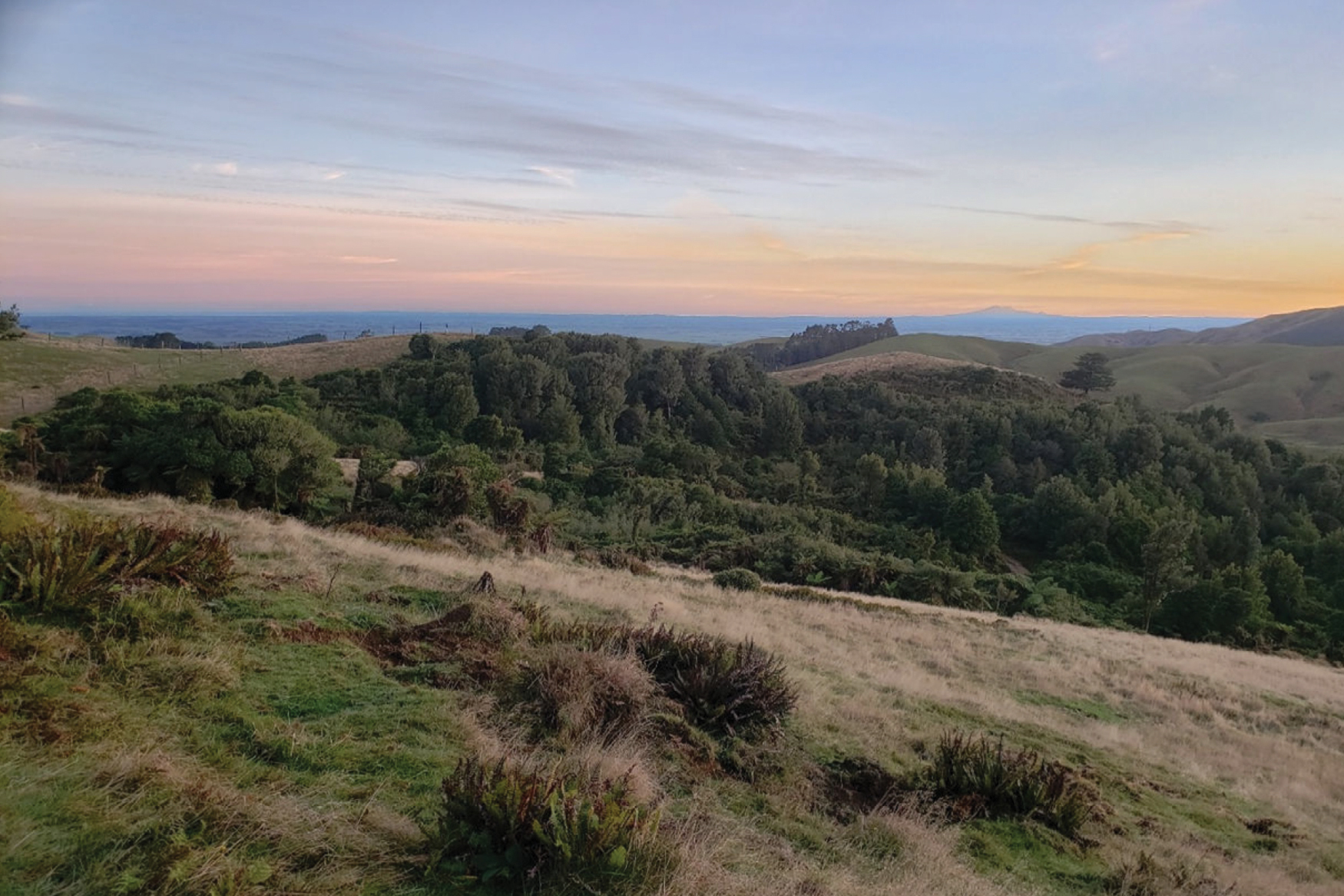
2025 Evaluating the Potential of Increased Carbon Stocks and Biodiversity Outcomes to Fund Native Vegetation Management on NZ Properties
Cameron’s report examines whether monetised benefits from increased carbon sequestration or positive biodiversity outcomes could offset the costs of pest management and protection of native ...