
Johne’s Disease is an infectious bacterial disease that primarily affects the intestinal tract of bovine and other ruminant animals. It is caused by a mycobacterium named Mycobacterium avium subspecies paratuberculosis. The microbe is only able to multiply inside an animal’s intestinal tract. However, the development of clinical disease does not occur instantly and, in some instances, the organism is known to survive for more than a year in the intestinal tract. The microbe is also resistant to heat, cold and drying and can survive for considerable periods in the envi ronment . The main source of infection is directly from infected animals. Johne’s Disease is as much a herd problem in New Zealand as it is a problem for individual animals. There are some recent, but unconfirmed, reports of culturing the microbe, or detecting its genetic components in humans with Crohns disease. Johne’s Disease is an animal health problem which affects ruminant animals the world over. It therefore has implications for trade of dairy products as consumers become concerned and informed of animal health issues. It is therefore desirable that livestock industries take a proactive stance in increasing industry awareness and management measures to control the disease. This report gathers available research statistics and findings on the identification and treatment of Johne’s Disease (JD) in the New Zealand dairy cow population and makes recommendations on its control through a variety of management systems.


 2025
2025 Building Diversity in New Zealand Dairy Export Markets for Independent Manufacturers
Malinda’s report examines how NZ’s independent dairy manufacturers can future-proof for financial sustainability amid a decreasing milk pool and global market shifts. It finds that ...
 2025
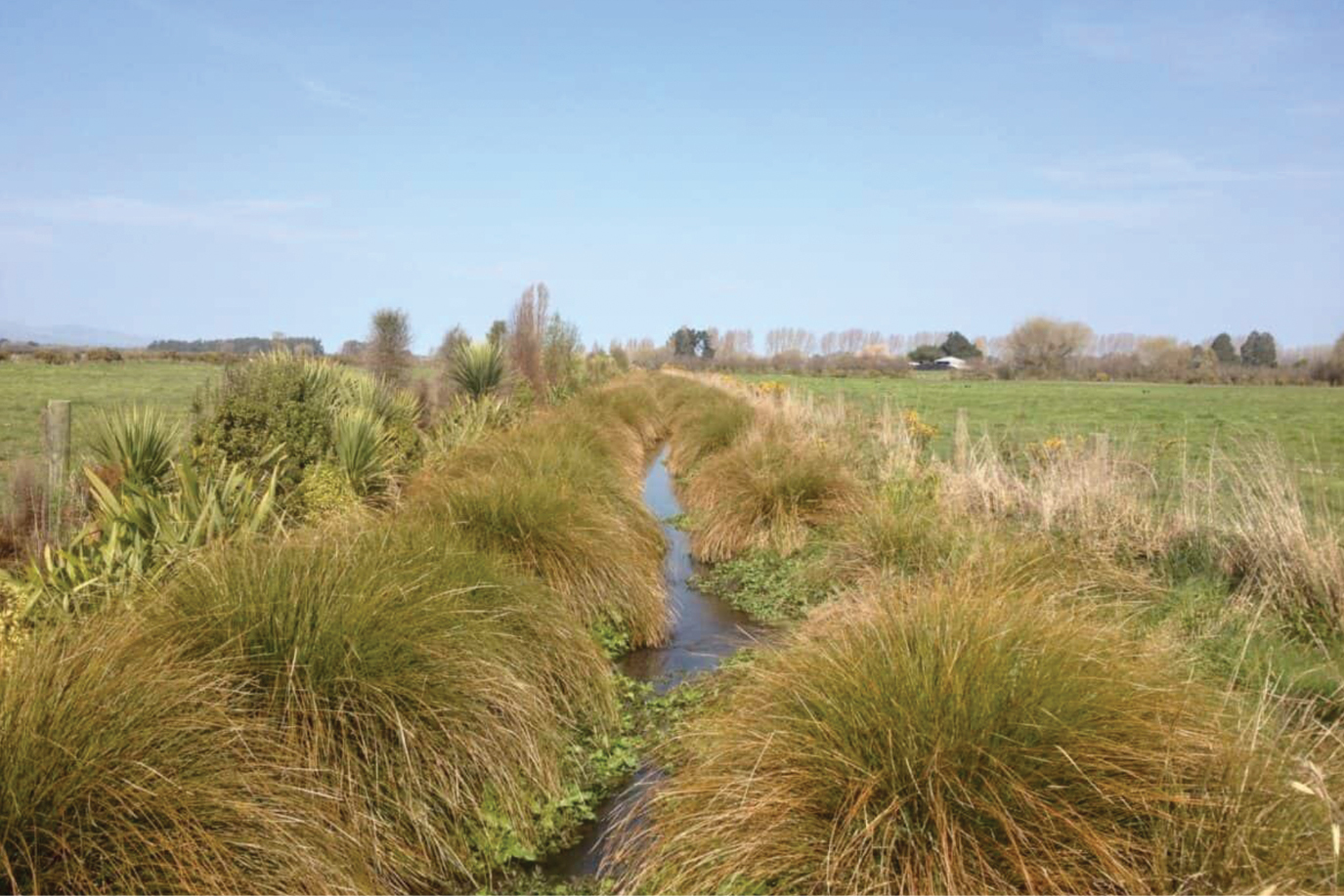
2025 Enhancing Biodiversity on Canterbury Dairy Farms to Improve Our Social License to Operate
This report by Nick Vernon, examines how biodiversity actions, community expectations, and stakeholder involvement intersect to build trust, improve environmental results, and support long-term sustainability.
 2025
2025 Overcoming Barriers to Data Interoperability Within New Zealand’s Wine Industry
NZ wine confronts rising costs and unpredictable markets. This report by Zac Howell reveals how smarter data use, strong governance, and industry trust can unlock ...