
This report has been written to convey the experiences that I have enjoyed and the lessons I have learned in eight years involvement in large scale community water enhancement project promotions. In the early 80’s with the major government reforms, promoters’ of irrigation were left on their own with government assistance totally withdrawn. This period saw development ease until the mid 90’s when the first two true community water enhancement schemes were built. They were the 11,000 Waimakariri and the Opuha Dam Scheme, the latter of which I have been involved as a director of the irrigation company since 1994. This report gives a full outline of the physical and financial structure of this scheme, the tradeable water shares which were a first with this scheme, and the problems we had in attaining farmer up-take and how that was dealt with. Now that Opuha is fully subscribed, farmers are looking for more water. The Aoraki Water Trust was established 2 years ago, of which I am Deputy Chairman. We are looking at the feasibility of bringing water from Lake Tekapo by gravity over Burkes Pass and distributing into five river catchments. The lessons learnt from Opuha are being put to full use in dealing with the Aoraki scheme. This report gives a good outline of these.


 2024
2024 Understanding GMOs and NBTs: A New Zealand perspective
This report explores the evolving landscape of gene technology in NZ, focusing on the implications of genetic modification (GM) and the New Breeding Techniques (NBTs) ...
 2025
2025 The Soils Gap: Interactions Between Science, Commerce and Culture
Soil lays the foundation of all farming productivity. Farmers’ soil management is influenced by multiple factors, especially scientific perceptions. Studies on soil function and productivity ...
 2025
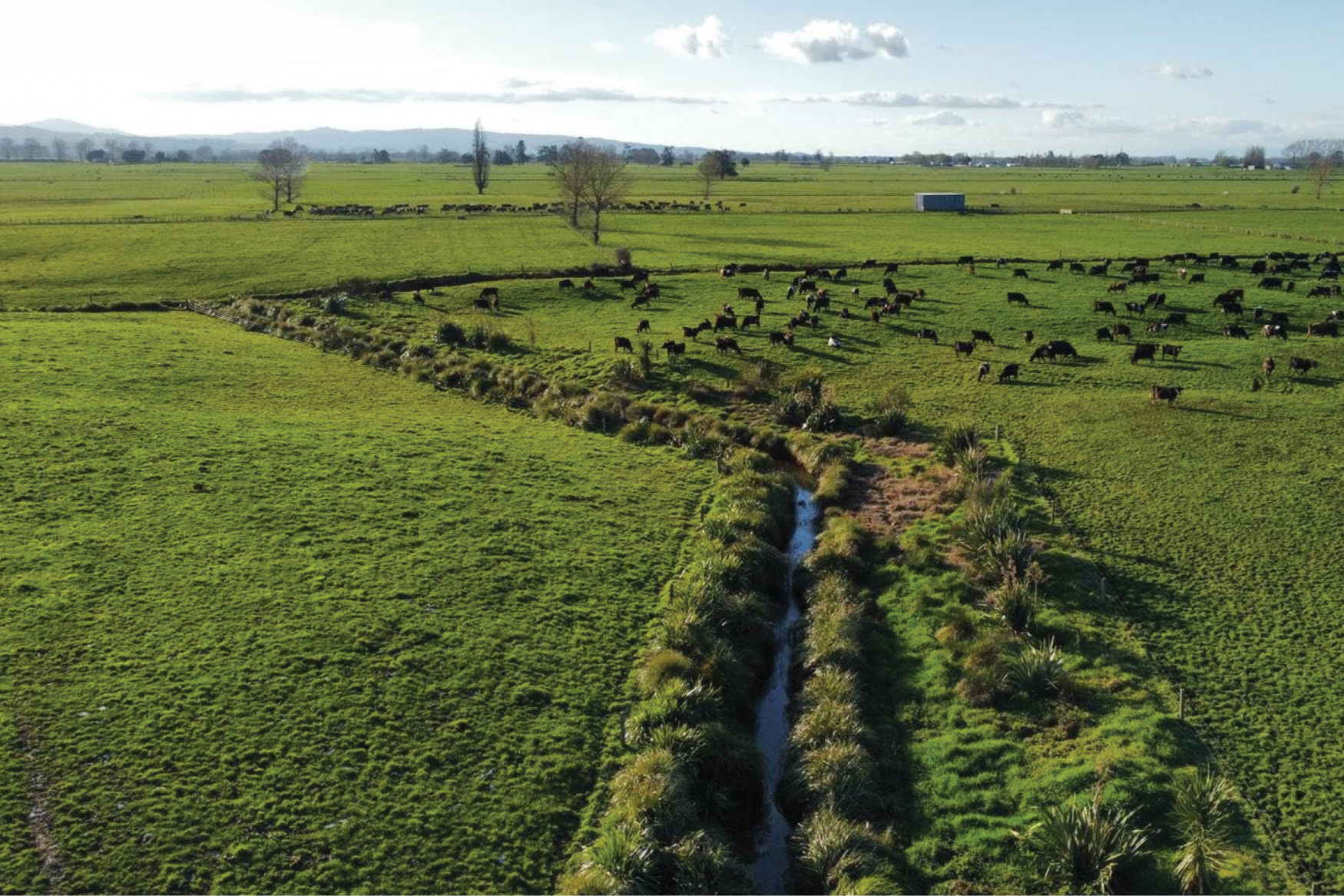
2025 Balancing Profit and Environment: Insights From New Zealand’s Leading Dairy Farms
NZ dairy farmers prove profit and sustainability can align—pasture smart, cost-savvy, and values-led. A balance worth backing.