
Local and regional government is a large and vitally important part of the public sector. It touches on almost every aspect of life in New Zealand and provides some of society’s most fundamental needs. It employs around 50 000 people and has an annual turnover in the region of $5 billion. Over the past loo’years local government institutions and structures have contributed much to this country’s development. But while almost every other aspect of New Zealand life has changed extensively in that time, the structures of local government remain largely unchanged. Reviews over the years have been piecemeal and ad hoc in approach, and have done little to assist local government in adapting in an integrated manner to the changing needs of its communities. The challenges of today’s society demand that new ideas and fresh approaches to local government be considered. We must ensure that local government is attentive and responsive to the needs of the communities it sets out to serve, and that the needs of those communities are met in the most appropriate and most effective manner. We need to re-appraise the whole nature and role of local government and re-examine its structures from the ground up.


 2025
2025 Factors Driving High Value Client Relationships: A Rural Banking Perspective
This report by Michele Findlay examines how rural managers build trusted, high-value relationships with clients in food and fibre. It identifies attributes, leadership practices, and ...
 2025
2025 Competition vs Collaboration: A Balancing Act for Success
This report by Tim Waehling shows how East Coast maize grain growers can boost resilience and profitability by building collaborative networks to overcome costs and ...
 2025
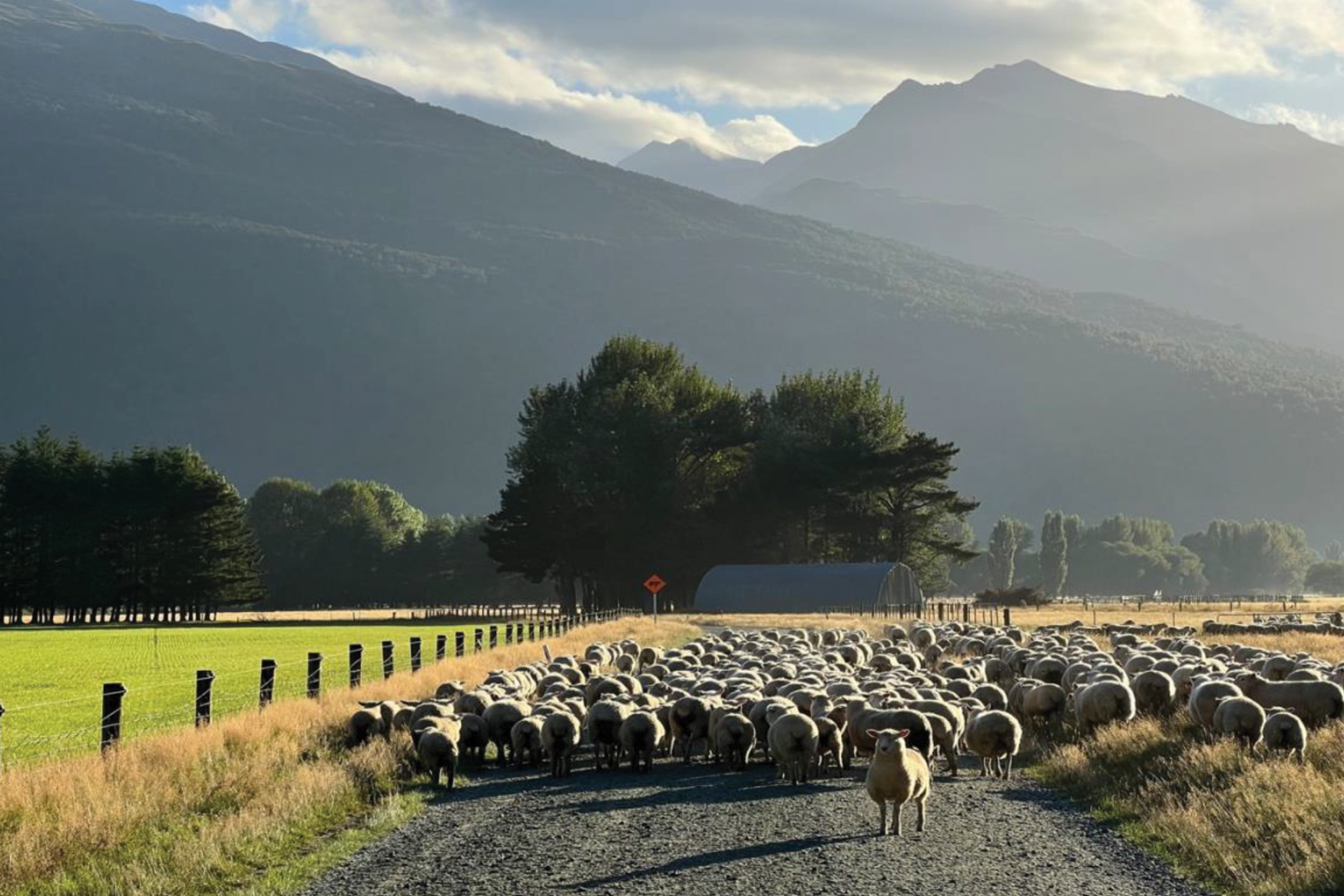
2025 How can we Maximize Production in our Decreasing Ewe Flock?
This report by Matt Ward looks at boosting ewe flock productivity amid national decline by using terminal sires, better genetics, and more innovative flock strategies ...