
A growing division between urban and farming communities is having far reaching implications in this country. While 47% or $17.2 billion of this country’s export earnings comes from food production, only 7.7% of New Zealanders lives in what Statistics NZ describes as either rural areas with low urban influence or highly rural/remote areas. This country is unique globally in that it is the only first world nation that is economically reliant on primary production yet the division between urban and rural communities is, according to the former Parliamentary Commissioner for the Environment Morgan Williams, this country’s single most important emerging political problem. A lack of understanding of this country’s farming systems, upon which the economy is dependant, is leading to attitudes that threaten the right of fanners to fann in a sensible and sustainable way.

 2025
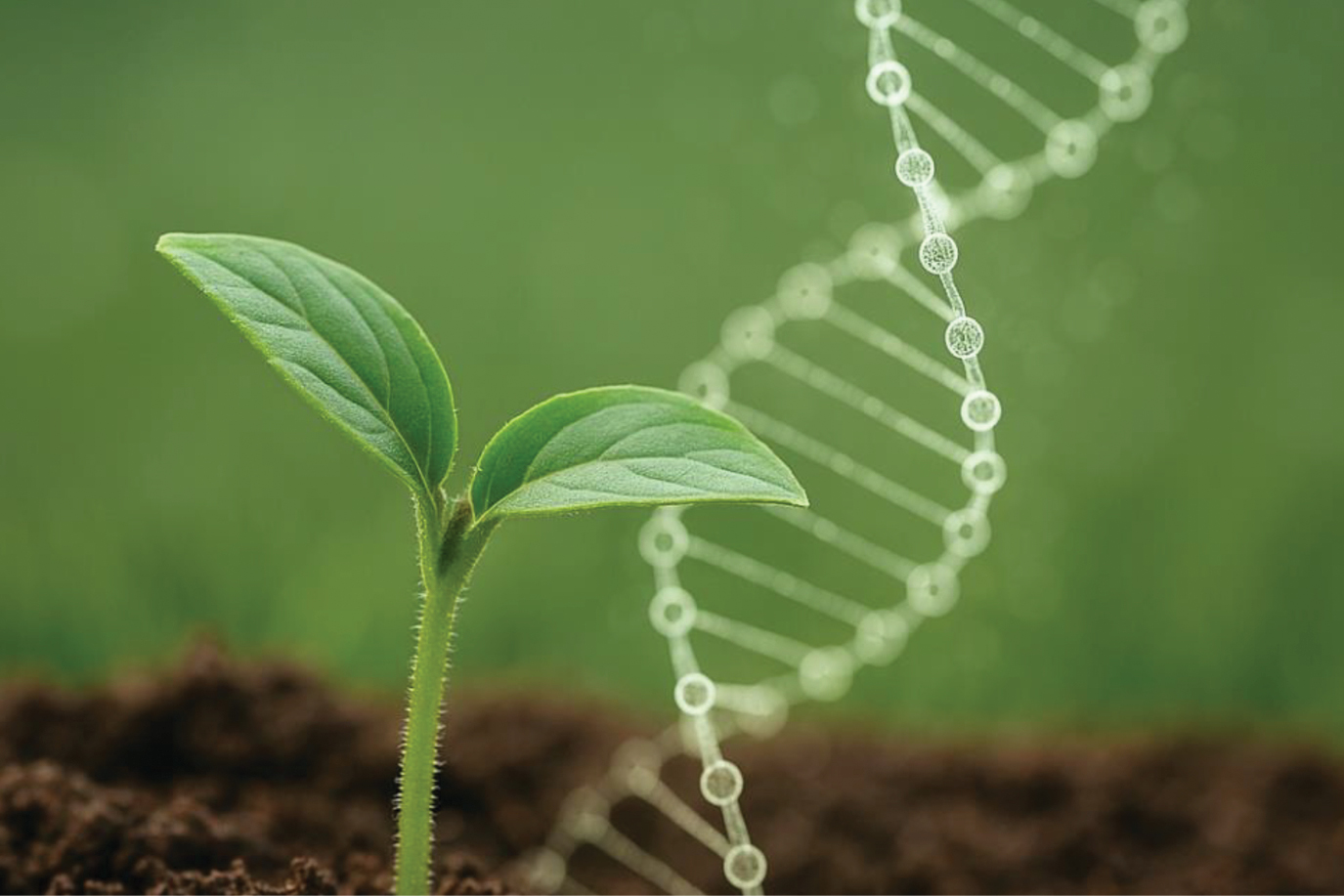
2025 The Organic Sector With No More GE Free
This report by Matt Scarf investigates how ending NZ’s GE-Free status could affect the organic sector, threatening premiums, trust, and growth, while recommendations include clear ...
 2024
2024 The Path to Peat Free
This report explores sustainable alternatives to peat for mushroom farming in New Zealand, focusing on wood fiber blends to reduce reliance while maintaining yield and ...
 2025
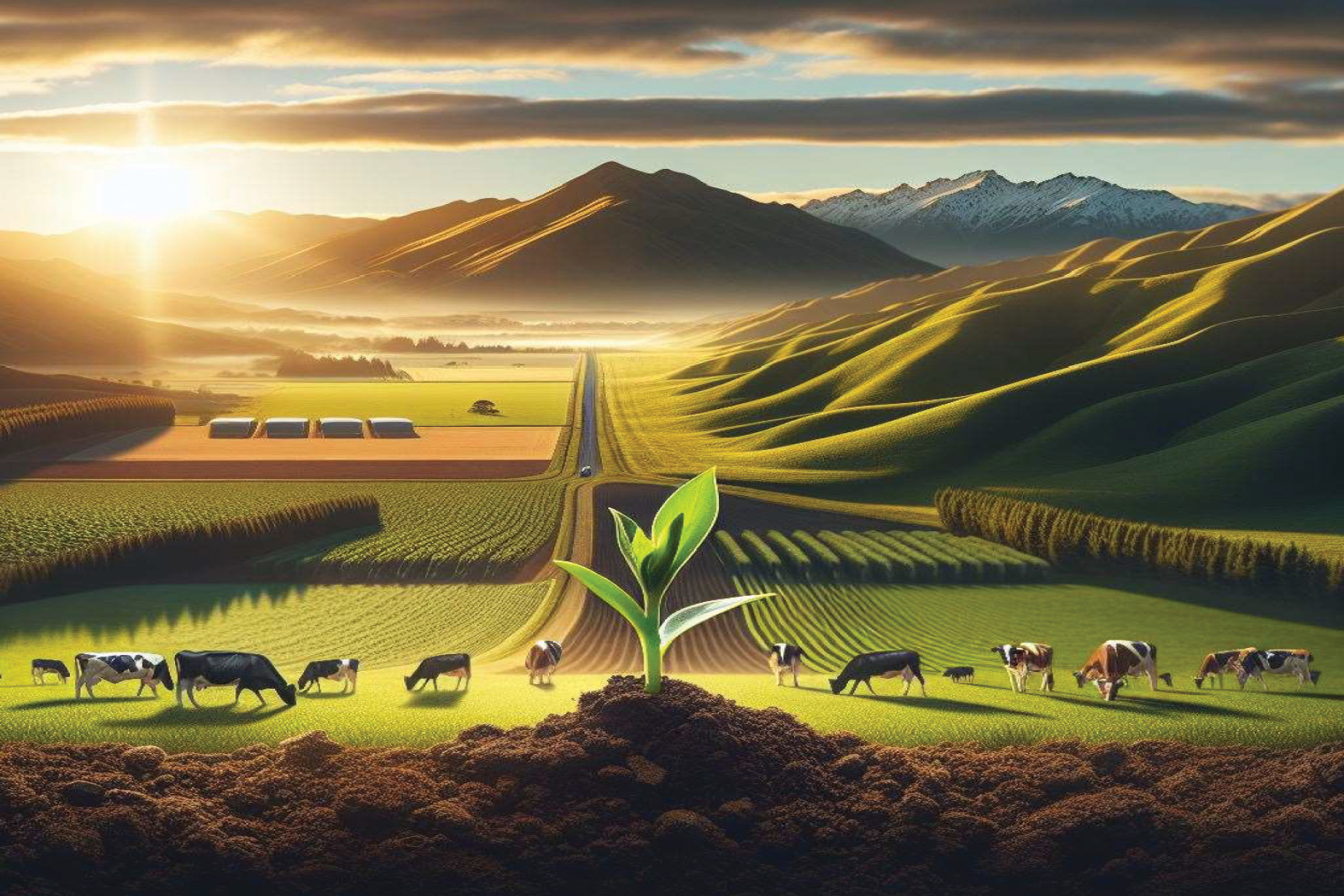
2025 From Seed to Success: Transitioning Farm Ownership in New Zealand and The Ownership Equation: Exiting with Value. Entering with Vision.
This report explores NZ’s changing farm ownership landscape, noting declining traditional pathways, rising land costs, and limited capital access. Models like equity partnerships show promise. ...