
Leptospirosis is rapidly becoming one of the most frequent causes of human illness and therefore time off work in New Zealand. Leptospirosis is commonly associated with the rural sector and associated animal industries, as animals are the common cause of the disease. It is vastly important to at risk employers as it can have a large economic impact on a business and it is of humanitarian concern because of the serious symptoms and possible permanent damage to humans or possible death. This project set out to find out what leptospirosis is and how it is caused, what is the occurrence of human cases and the spread throughout New Zealand and what financial implications if can have on a business. Also, how it impacts on individuals who contract it and can it be prevented?


 2024
2024 Can we add value to non-replacement calves?
The management of non-replacement calves, or bobby calves, is a constant challenge for the NZ Dairy industry. This report investigates potential options for reducing bobby ...
 2024
2024 How can sheep and beef farmers navigate climatic extremes in times of reduced cashflow?
This report aims to analyse how high performing farm businesses reach and sustain the levels of performance, resilience and wellbeing they do.
 2025
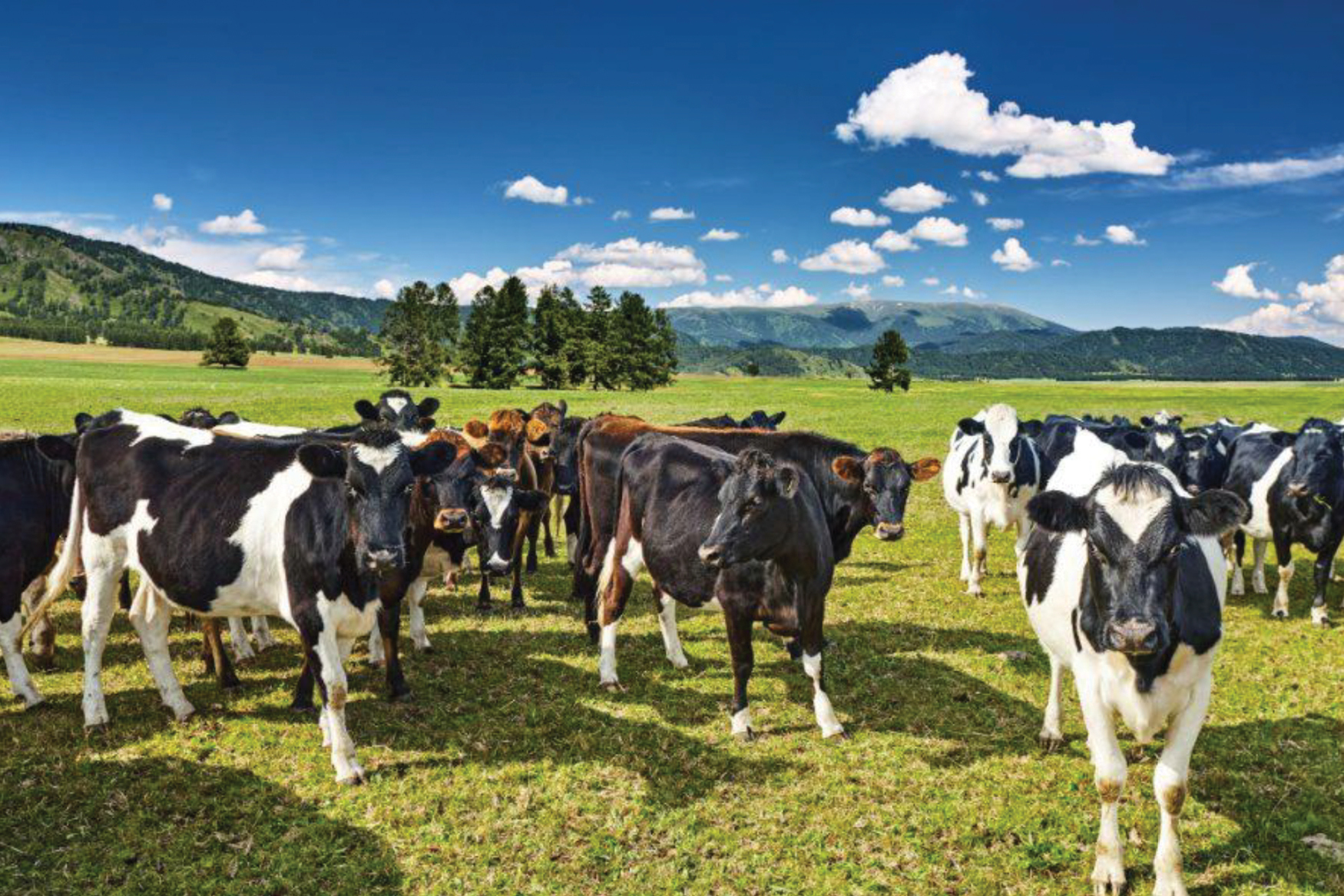
2025 Smart Nutrition, Stronger Herds: A Holistic Approach to Dairy Excellence
This report highlights the underutilised role of nutrition in New Zealand’s dairy sector. It identifies gaps in training, technology use, and knowledge integration. Key recommendations ...