
- If our regions are not thriving the prosperity of our people declines. Half of New Zealand’s population live in the regions. It is our regions that generate our economic output through the primary industry. Kiwifruit is the largest horticultural economic contributor and is targeted for significant growth.
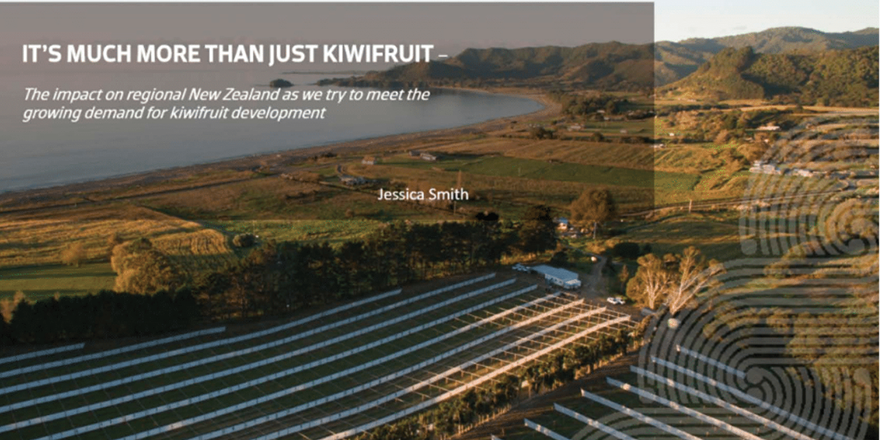
- This research is about the impact on regional New Zealand as we try to meet the growing demand for kiwifruit development. In my opinion, very little research exists about the impact of kiwifruit development that is people centric and flavoured with regional perspectives.
- The Government’s regional economic strategy to foster regional prosperity aligns with global growth opportunities in Kiwifruit, Zespris growth strategy and market demand. The common denominator is that the regions are key to achieving their strategy.
- 52 individuals participated in the survey over a three month period. A combination of in-person interviews, postal and online surveys were conducted. All respondents were located in Te Whanau Apanui, a thriving kiwifruit community north of Opotiki. The survey questions were designed to capture demographic data for regional context; and gain personal insights about the impact of kiwifruit development on their community.
- The people centric approach that I have undertaken has enabled me to gain, on the ground personal insights which will be used to help guide industry thinking about kiwifruit development in our regions, particularly the more remote areas.
- Three key themes emerged from the research that captured the essence of the voices of the people in this region:
- the impact on our People;
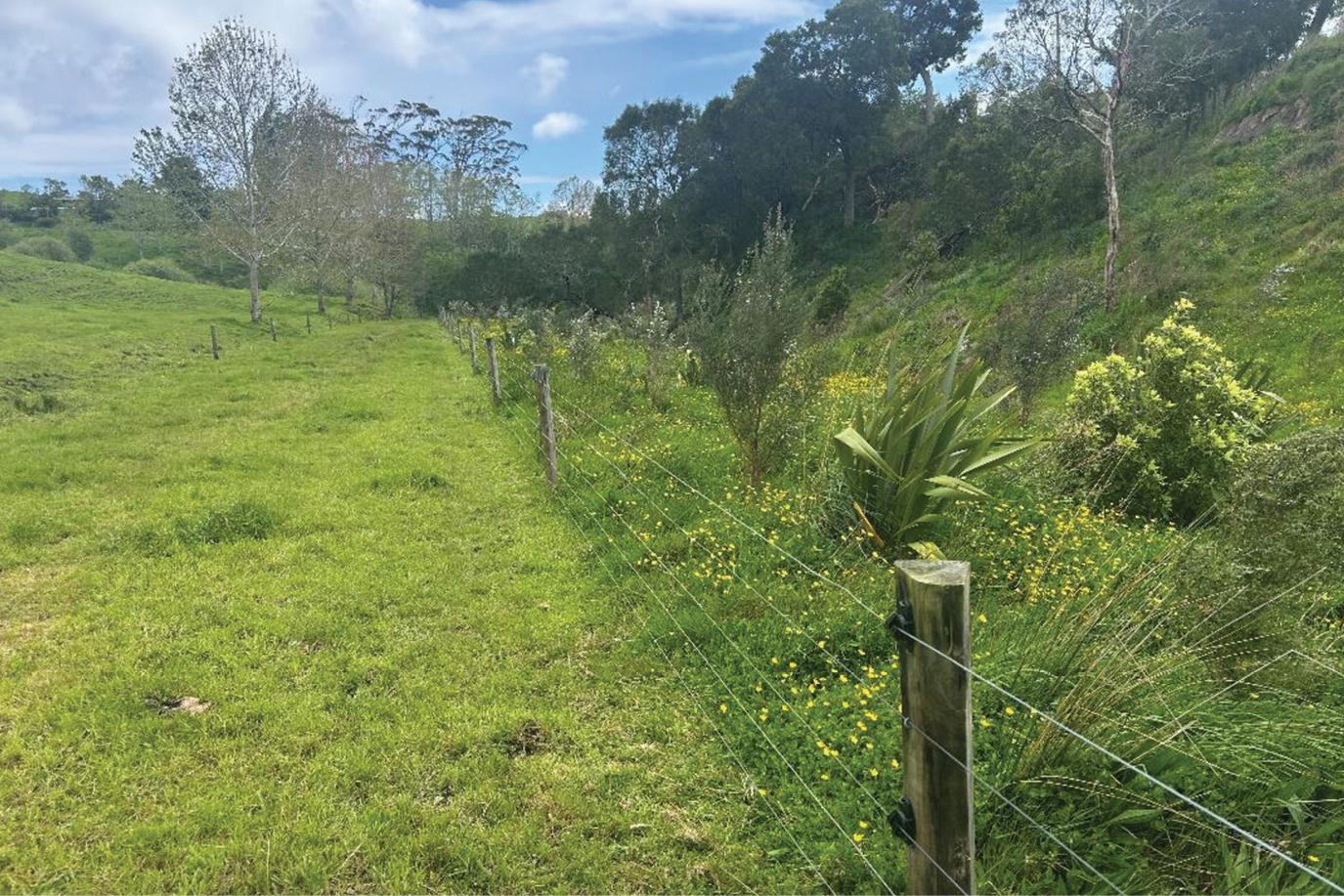
- the impact on our Land;
- the importance of Social Investment
- The following recommendations have been prepared to guide and support key industry stakeholders about working in our regional kiwifruit communities.
THAT a multifaceted strategy is required when growing industries in our regions. This will require collective involvement from the communities, industry and Government. MULTIFACETED STRATEGY
THAT the voice of the people is critical in the development of any strategy, therefore any strategy needs to include and allow time for meaningful engagement. MEANINGFUL ENGAGEMENT.
THAT a knowledge gap currently exists in our regional communities about on-orchard kiwifruit practices. INFORMATION COMMUNICATION
THAT a Maori grower participation strategy needs to be developed to increase participation within the kiwifruit industry. MAORI PARTICIPATION
Jessica Smith