
The Integrated Fruit Production (IFP) programme for pipfruit began in New Zealand in 1996 and by 2001, 100% of export fruit was being produced under IFP. New Zealand IFP guidelines were developed from IOBC principles and matched carefully to local production conditions. The rapid rate of implementing the guidelines was largely attributable to the industry’s strong reliance on export markets and the legislated single seller status operating at the time. The implementation of IFP has lead to a 95% reduction in the use of organophosphate insecticides, and a 50% reduction in overall insecticide use. The use of dithiocarbamate fungicides that are disruptive to integrated mite control programmes has been reduced by 50%, and there has been a considerable reduction in the use of residual herbicides. This report looks briefly at the history of IFP and describes both the process of implementation and benefits achieved from the introduction of IFP to the New Zealand pipfruit industry.

 2024
2024 How do we fund the next phase?
Access to capital is constraining the sector's sustainability, productivity, and transition to the next generation of farmers.
 2024
2024 Better cattle handling: For people, product and perception
Exploring, educating, and applying low-stress livestock handling to benefit the people, product and perception of New Zealand’s beef industry.
 2025
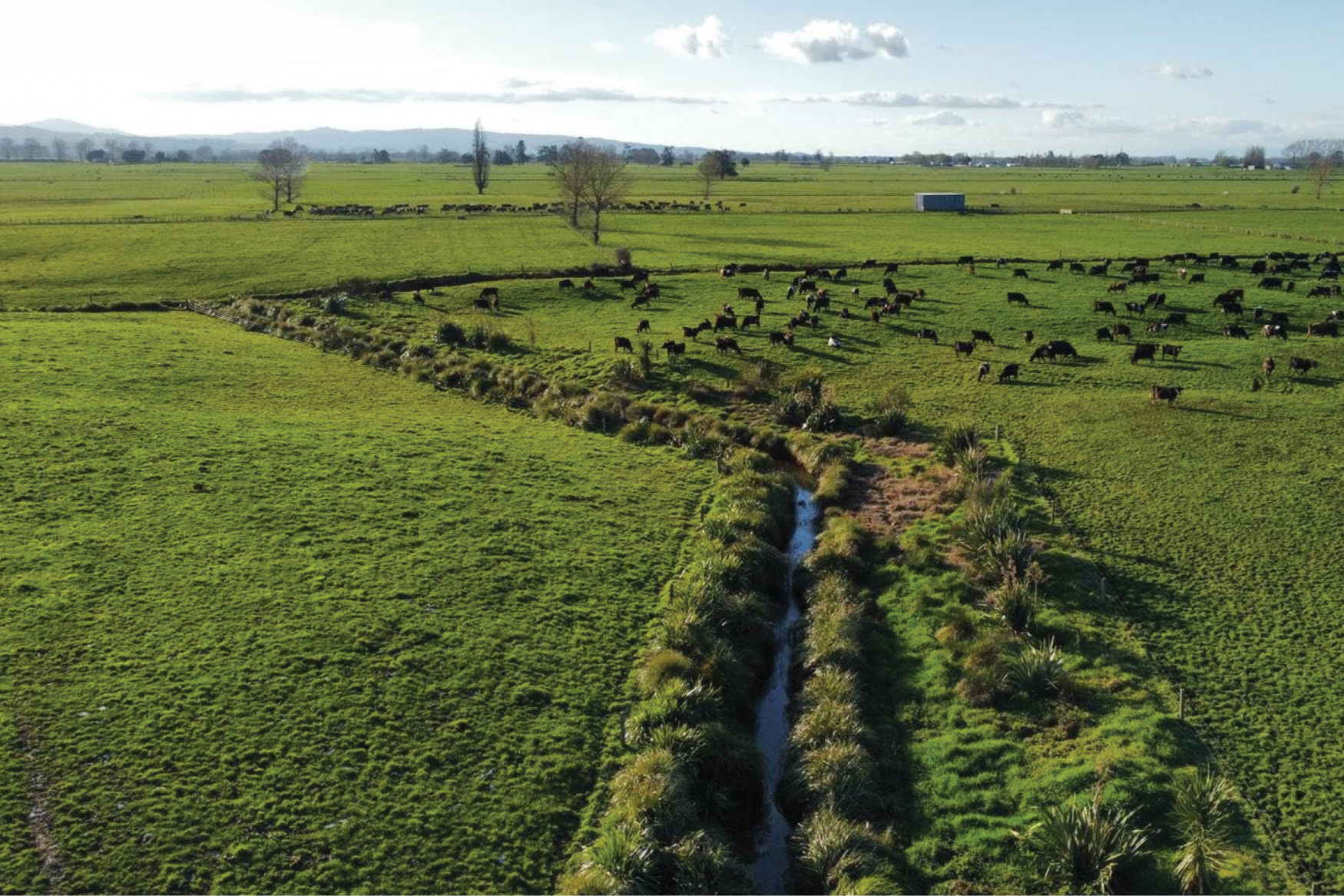
2025 Balancing Profit and Environment: Insights From New Zealand’s Leading Dairy Farms
NZ dairy farmers prove profit and sustainability can align—pasture smart, cost-savvy, and values-led. A balance worth backing.