The dairy industry in New Zealand today is as important to the future of the dairy farmer as it is to the future of the New Zealand economy.
But as the industry stands, dairy is at a crossroads.
New Zealand was identified early in its colonisation as being blessed with the ideal climate and wide open spaces, ideal for pastoral farming and growing healthy livestock perfect for the production of milk. Chief Dairy Economist to the Government in 1884, William Bowron noted “The untold wealth of New Zealand lies upon the surface and the cow is the first factor in the way of securing it…..”.
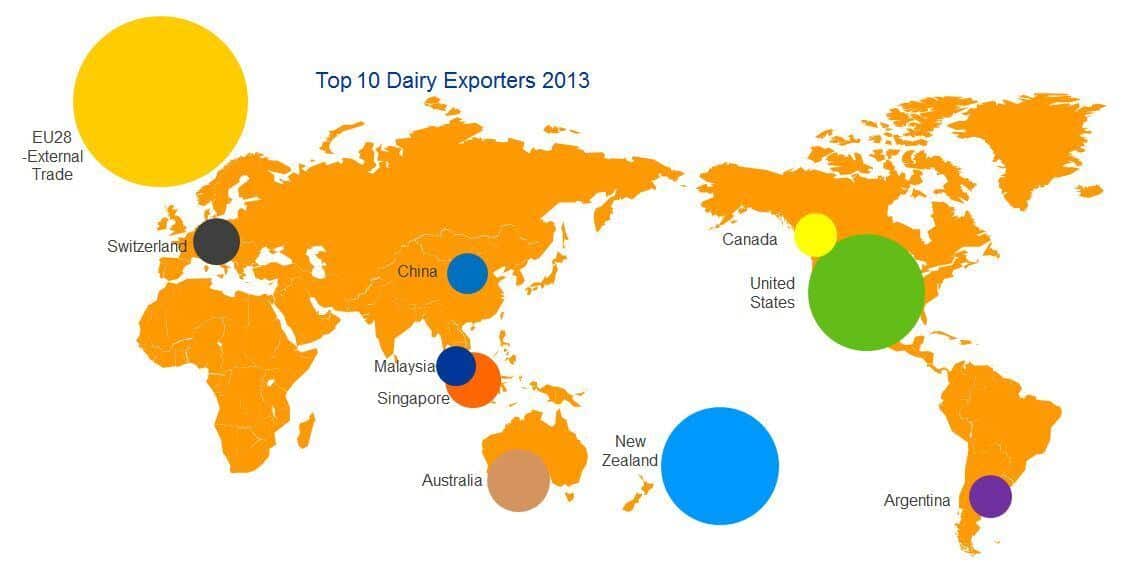
In recent years, dairy in New Zealand has experienced unprecedented growth, driven by the availability of efficient irrigation to areas that traditionally saw other land use. This growth is based on the returns from other sectors not meeting the needs in many cases to make that irrigation viable. Market signals and the reputation of our milk in emerging markets, notably China has resulted in a change, not only the supply and demand paradigm but also in the interest international corporations and governments have in New Zealand Inc and more importantly New Zealand dairy. This is seen in the purchasing of land for conversion to dairy or established dairy farms, and the building of milk processing plants by these overseas players.
Multinational companies continue to set up in New Zealand thereby increasing competition, but further fragmenting the industry. The increase in optionality for farmers and the attraction of growth through release of share capital has proved to be too tempting for many. Fonterra is still the majority co-operative but it’s market share of the New Zealand milk pool has declined in recent times.
The Dairy Industry Restructuring Act (DIRA) introduced at the inception of Fonterra, has played a key role through the past 15 years in the sectors growth and development. It also encouraged greater competition within the industry. Although this act is being reviewed and changes are to go to the select committee, there is a further need for its relevance in the current climate. It needs to be reviewed as to whether parts, if not all of it is necessary at all.
In order to protect the future of the dairy industry, we have to look to the long term. With talk of competition coming at us from less traditional means in the form of synthetic milk we need to work collaboratively in order to ensure our future prosperity as an industry and a country.
Brook Yates