
This is an insight to how Maori the branding of New Zealand primary sector products can help to add value to our exports.
“Maori branding is a unique cultural association stories, images, names and symbols which serves to differentiate competing products or services, and to provide with the physical and emotional trigger to create a relationship between consumers and the product”. (Harmsworth & Tahi 2008)
New Zealand has a unique selling point, the one advantage we have over the rest of the world is Maori culture.
Maori culture as a brand has lots of options to offer such as:
- Using Maori values – rangatiratanga – integrity, manaakitanga – hospitality, kaitiakitanga – custodians or guardians, whanaunatanga – relationships, in your business and explaining to customers what they mean, how you value them and how you implement your values daily within your business .
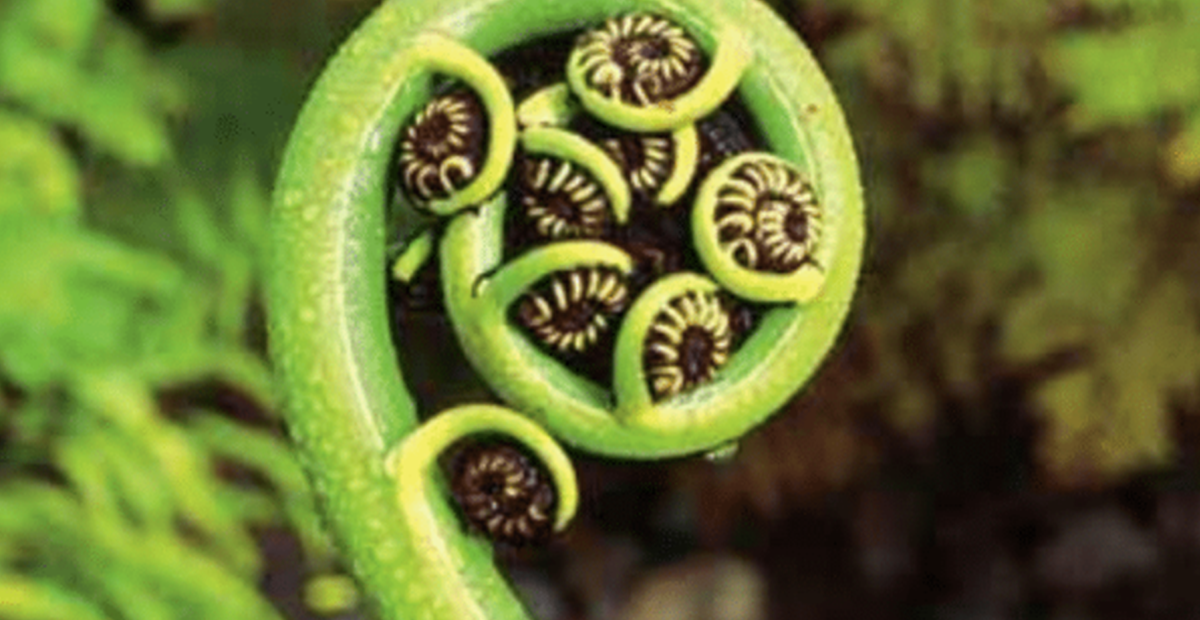
- There are Tohu or motifs that all tell a different story
- Place names have existed for hundreds of years and will not change. These have a strong story to tell.
As a country we embrace and celebrate our indigenous people and culture a lot more than other countries in the world do. There should be no fear of using the culture to help add value to our product. As long as there is collaboration with local iwi, open communication and integrity with the product most iwi are proud to be able to have their unique brand and or name endorsing and promoting a quality product.
Before a company can use indigenous branding, they firstly need to know who they are. The entire company needs to know the companies vision, strategy and values. How can you tell your story if you don’t know it?
Maori brands have the ability to tell magical stories and to steal the hearts and attention of international clients , especially Asian clients who share similar values as Maori culture. The branding becomes an opportunity to tell a story and create relationships, but the product must match the story and consistently be of high value.
It is important that the farmer and the customer form close relationships. Do not allow the processor to be the story teller. The farmer and the customer talking and working together helps to build a better relationship. The customer can then pass on the story and the passion for the product to the consumer.
To grow successful indigenous brands in New Zealand, there needs to be more collaboration amongst businesses. There is a risk that there will become too many Maori brands all telling slightly different stories, but selling very similar product . All Maori have a common story, they need to work together to tell the same one.
Does Indigenous branding add value? Yes it does, but it doesn’t happen easily and there are many other aspects that need to be in line as well. A brand won’t sell a product, it will tell a story that will help the product sell itself.
Stephen Thomson, Steven