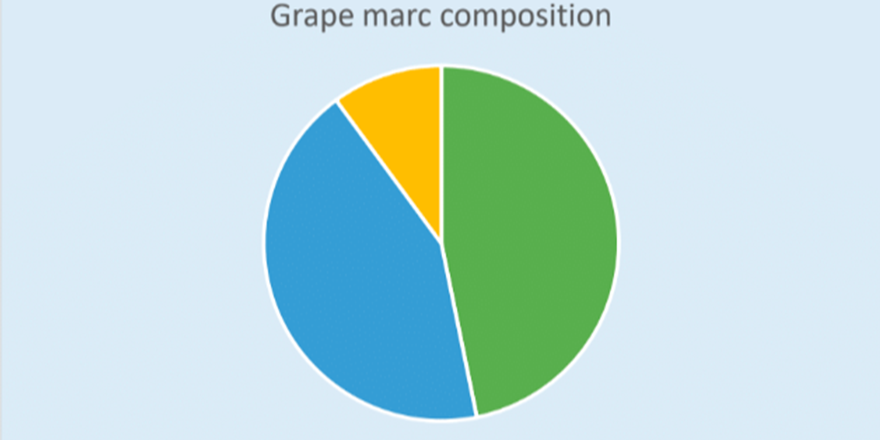

Grape marc in the Marlborough region is set to increase in production by 50% in ten years. This increase in quantity could be tolerated by the multiple types of practices that currently exist, if expansion plans are in place. Comparing Marlborough to other industries or other wine regions within New Zealand and off shore is difficult as there are many unique factors involved. Council regulations are changing, and consequence for non-compliance has recently been aggressive; a strong contributor to the need for a change in culture around the issue.
Waste disposal in any industry is of environmental concern, and sustainable practices should be clearly defined so all procedures involved in handling, storage and use will have no adverse effect on the community, environment and businesses involved. Reutilising excess materials offers an environmentally conscious solution and provides the industry with another positive story.
There is room for more research and development of technology which can help make systems easier and more effective. Collaboration between industry members, industry bodies and governing bodies is essential to the success story that is grape marc in Marlborough.
Jaimee Whitehead