
Bob Dylan’s prescience comments from some 60 years ago capture today’s environment exceptionally well with ‘the times they are a-changin’ and you’d better start swimmin’ or you’ll sink like a stone’ (Dylan, 2020).
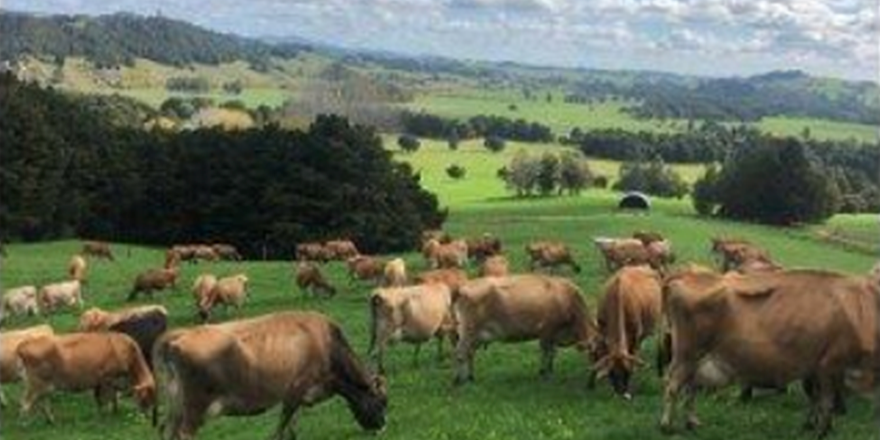
The dairy sector is a significant contributor to Northlands regional economy and has a vital role to play in the regions social, economic, and environmental prosperity. However, change is coming down the tracks like a freight train and is likely to shape the nature of the industry for years to come, change at a scale and pace arguably not seen for over a generation.
To develop an understanding of the implications of this change – the scale and breadth of it along with the potential opportunities this report looks to develop context, perspective and a deep understanding of the subject by exploring the past, present and future of the industry, understanding what influences farmer change, work through current strategies in place and then consider some of the potential pathways ahead and finally discuss some conclusions and recommendations.
This is approached via a mix of in-depth interviews, selected readings, and critique to develop the context, perspective and deep understanding desired.
It is apparent the region and sector have already experienced significant change and, in many ways, has proven to be stubbornly resilient and adaptative. Nevertheless, there are challenges ahead with the scale and pace of change significant, more far reaching and very different from what’s been experienced before. Amongst this change there appear to be multiple trigger points that potentially provide the opportunity to move beyond simple adaptation of a specific technology or practice towards a much deeper and enduring change of hearts and minds.
For Northland farmers, the industry and the region opportunities will exist amongst this change and a pertinent challenge for leadership is that it intentionally contributes to help shape and influence the direction of the response. Strategy, programme and project development, research and development extension, demonstration and design are all urgently needed.
The potential opportunity this change offers will not necessarily be easy and will require grit, determination and innovation, but the status quo is no longer be an option.
Luke Beehre