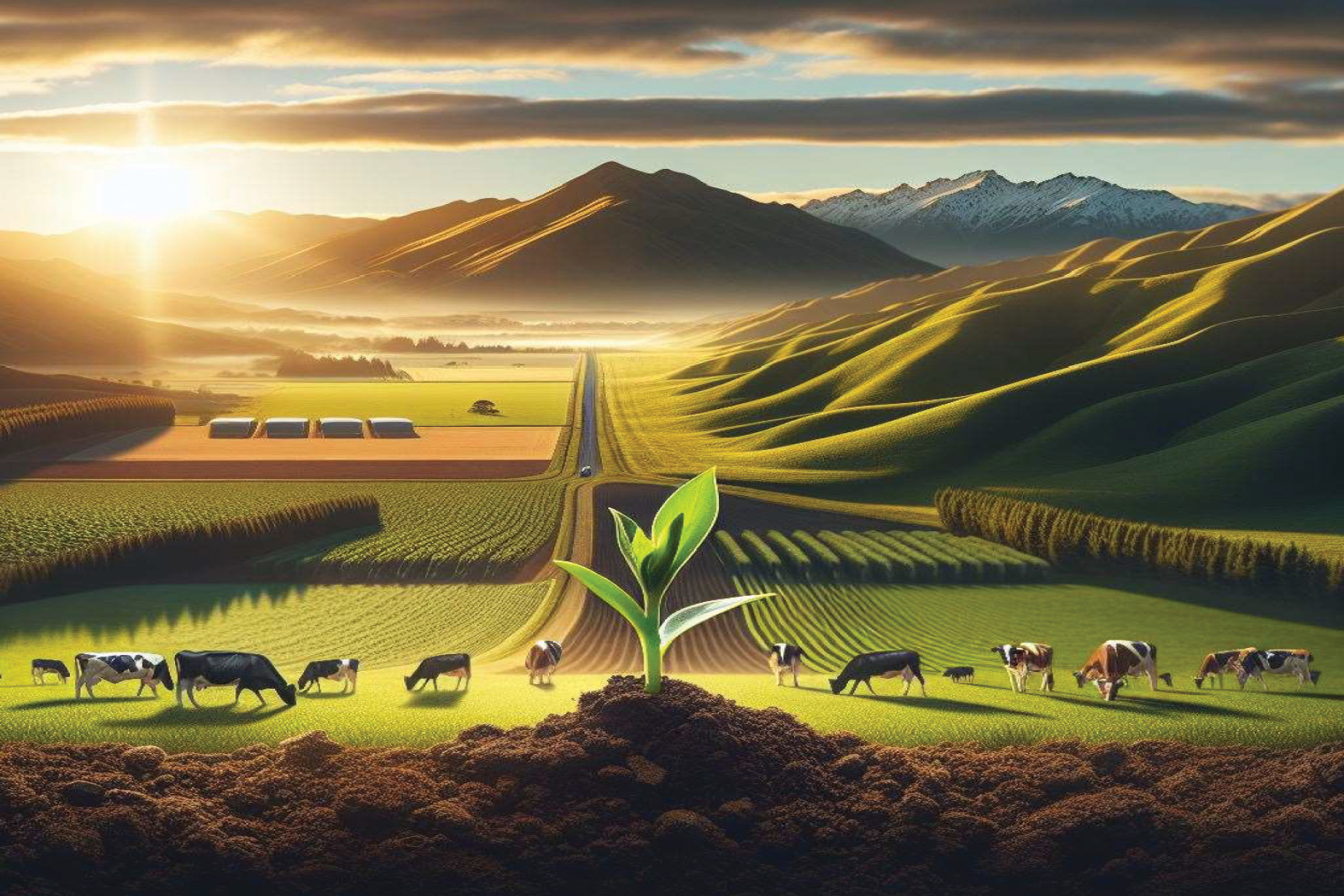
Farming livestock in New Zealand is becoming increasingly exposed to global and national economic, social, environmental and regulatory trends. Going forward there is increasing pressure from the public and consumers to preserve or ideally improve soil health, water quality and biodiversity, while ensuring that the food we produce is safe and nutritious, animals are treated ethically, and we are reducing their greenhouse gas emissions. Pressure is building towards significant change from the current situation. Sheep and beef farming is not immune to this pressure.
What will sheep and beef farming look like in 2050; what are the challenges and opportunities farm businesses and communities will face between then and now?
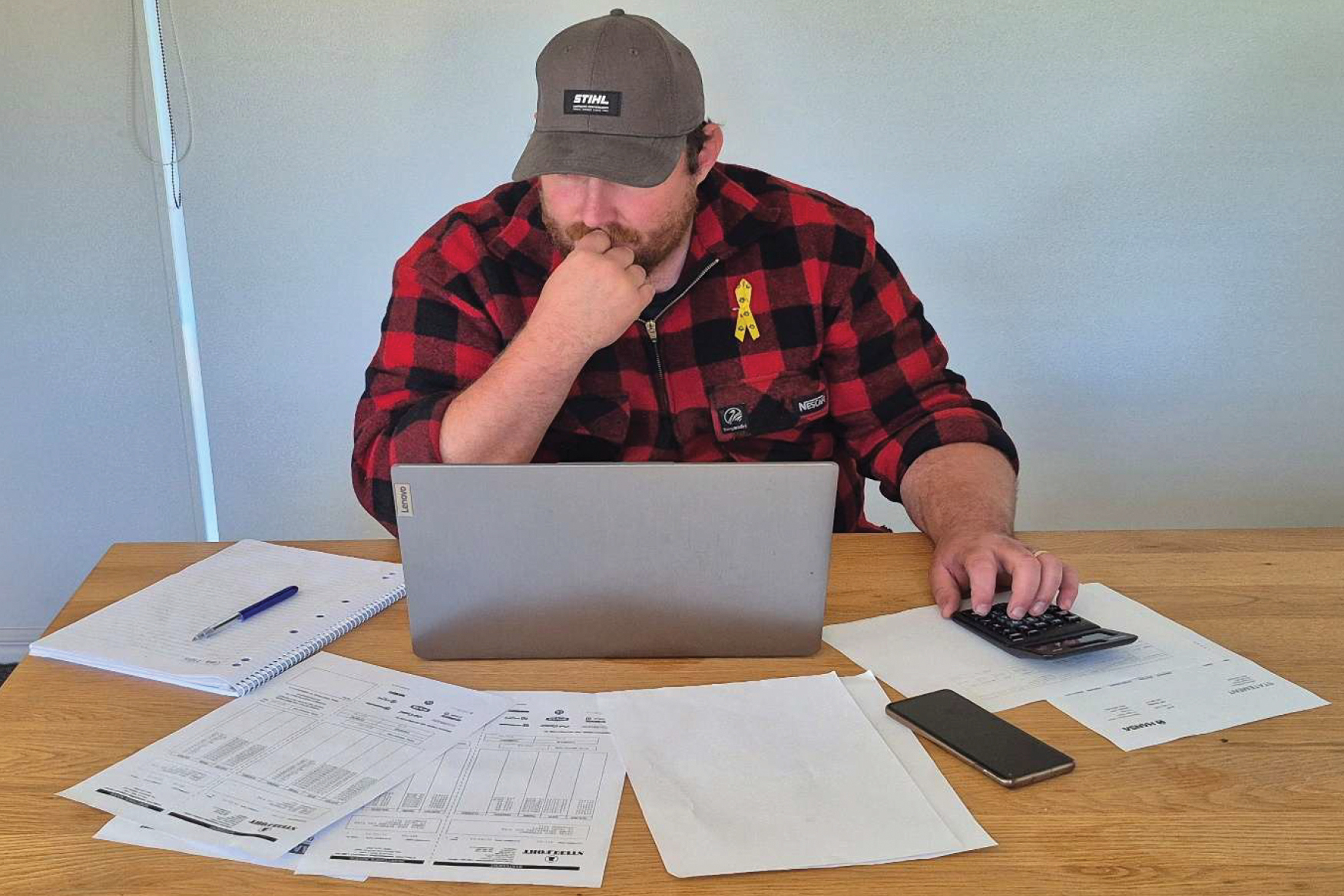
As a farming business, we need to look at where our farming operation is now and make some decisions about where we would like it to be in the future. We need to lift our level of awareness and contemplate how our farm might operate – what it might produce – we need a whole farm business strategy.
There needs to be a definitive “picture” and agreement of how the business owners view success. We then need look at how we best optimise the resources – land, people, animals and infrastructure to achieve that success.
Having a clearly defined business strategy acts like a road map in times of challenge and is an important tool for any business to navigate their way.
This research sets out to define what is strategy, it looks at a snapshot of how strategy or long-term planning is performed in sheep and beef farming businesses today. It makes suggestions as to the key components of strategic planning and proposes a basic template for businesses considering their long-term future.
The motivation to undertake this research assumes that better awareness of the future, and planning for the future is a positive action that will better enable individuals, communities and the wider farming industry to respond to change proactively. It will allow us to seize opportunities that may otherwise have been missed and to sense and manage threats in a more timely fashion.
One of the benefits of strategic planning is a shift in mindset away from issue-specific discussions towards more holistic and long-term planning around the future of farming. With increased awareness and longer term thinking I believe that our industry can evolve and thrive under the care of future generations.
Anna Nelson