
As part of our function as National Councillors clause 25.1 of the constitution requires us to monitor the board. For all concerned this should be done efficiently and with everyone knowing what is expected to happen and when. The process should develop to a point that both parties have acceptance and respect for the work each do. The national council has to show quite distinctly, what the process is, how it has been achieved and what the results are. Shareholders have to have this sort of information, to be confident that the organisation is abiding by the constitution. Clause 25.1[b] reviewing the Board’s business plans; require a clear efficient process involving both the board and the council. The most important part of this is review. We have had workshops on this subject with suggestions of K. P.I s, scorecards, OCFAID and the like but nothing concrete has been done. Livestock Improvement must, in my view, lead the way in development of the process of Monitoring the Board. I would like the opportunity to look at alternative methods to achieving “Monitoring the Board”.

 2025
2025 Trading in Turbulent Times: Positioning New Zealand’s Global Food Trade, in a Shifting Global Order
NZ’s food exports depend on strong global partnerships and market trust. This report by Olivia Smith explores how innovation, integrity, and strategic investment, not volume ...
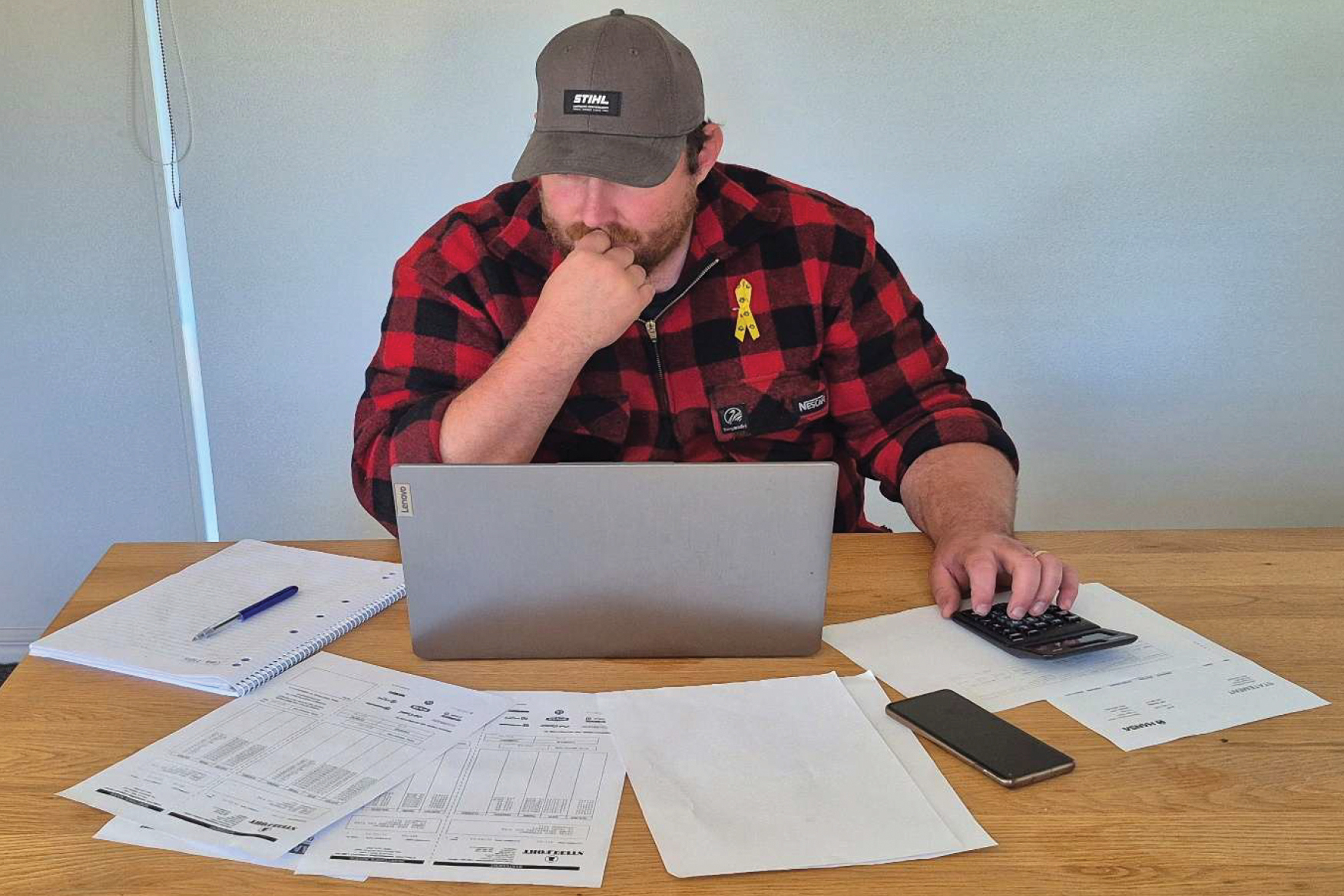 2025
2025 How do we Develop Financial Literacy in Rural New Zealand?
This report by Morgan Jones tackles the financial literacy gap in rural NZ by exploring tailored, accessible education strategies for farmers, growers, and professionals.
 2024
2024 Future Proofing our workforce: Retaining the Skills for tomorrow’s growth
This report seeks to ensure that Central Otago’s horticulture industry remains robust, sustainable, and attractive to both current and future professionals.