
Serotypes of Salmonella are the cause of two problems in the New Zealand sheep population. The first is enteric salmonellosis causing scours, which is widespread in the North Island and in the South Island effects Canterbury, Otago and Southland. The Second is Salmonella brandenburg which causes abortions and ewe deaths. This has been seen only in Canterbury, Southland and Otago. The enteric form of the disease had been acknowledged for many years, however S. brandenburg was first isolated in Mid Canterbury in 1996. The disease then extended into Southland and Otago in the late 1990’s and had a catastrophic effect on ewe flocks around Southland in 1999 resulting in significant loss of productivity through loss of potential lambs from abortions and the loss of breeding ewes This disease is also a zoonosis and there has been a continuing increase in the number of human cases reported over the last 10 years. Over the past 5 years there have been a large number of farmers that have requested a combination vaccine for the sheep. The idea of a combined campylobacter and salmonella vaccine is one that has been often spoken about by farmers, vets and industry. The majority of sheep farmers are tired of the number of vaccinations that they have to give their sheep.


 2025
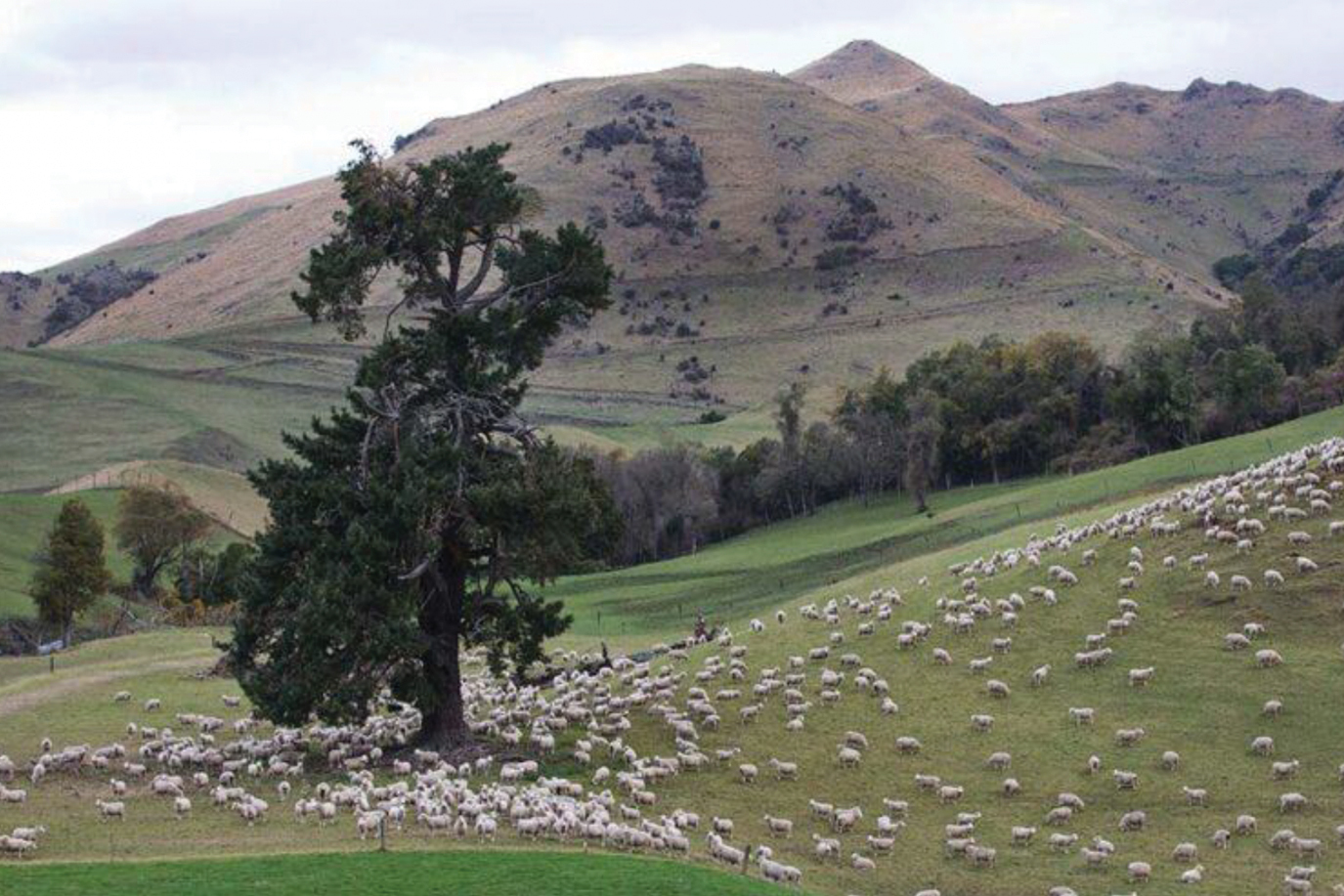
2025 What are the Key Considerations of Weighing Technology Adoption on Sheep and Beef Farms in NZ?
This report by Campbell Smith looks at the adoption of livestock weighing tech lags due to trust, usability, integration, support, cost thresholds, and peer influence ...
 2024
2024 Future Proofing our workforce: Retaining the Skills for tomorrow’s growth
This report seeks to ensure that Central Otago’s horticulture industry remains robust, sustainable, and attractive to both current and future professionals.
 2025
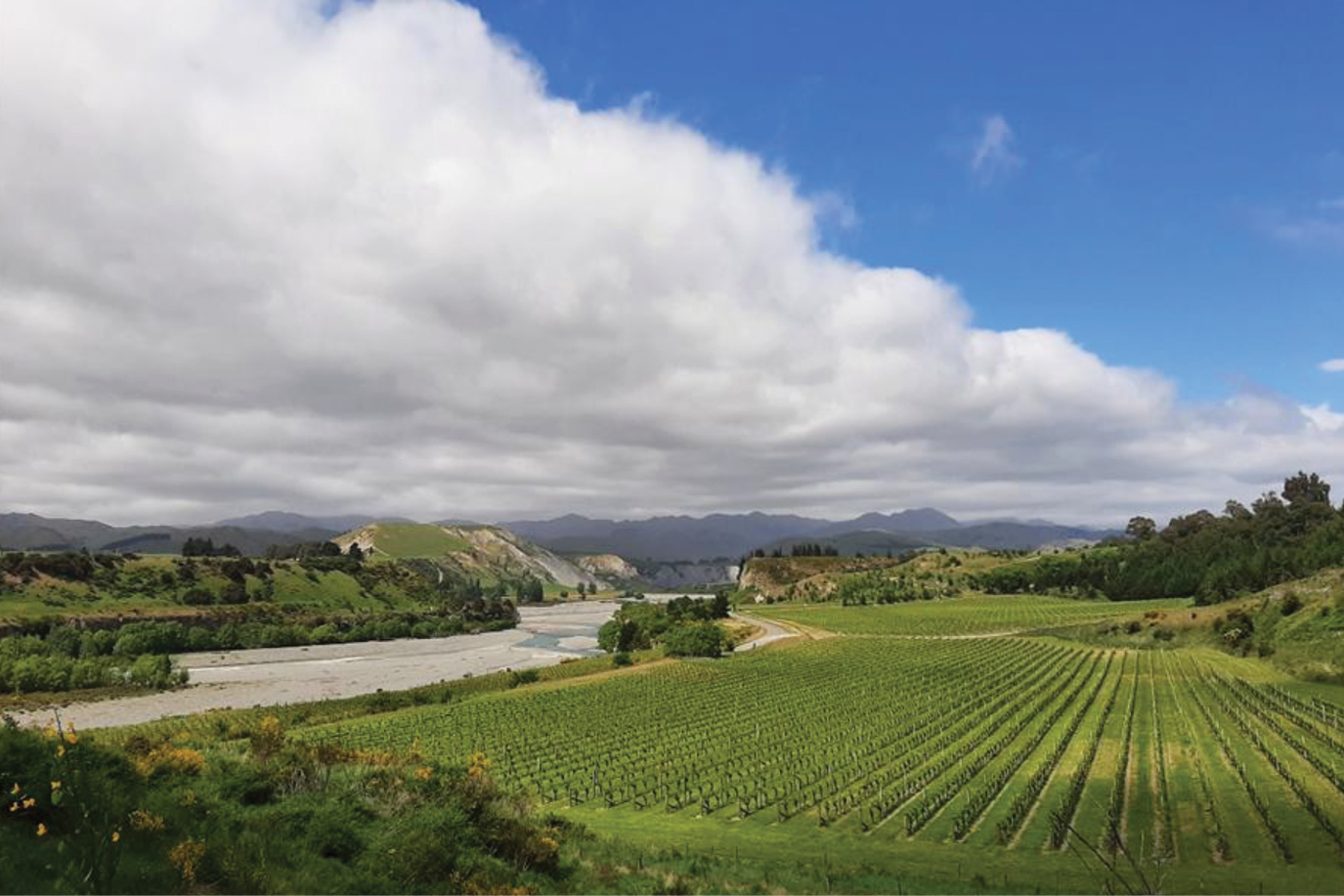
2025 Overcoming Barriers to Data Interoperability Within New Zealand’s Wine Industry
NZ wine confronts rising costs and unpredictable markets. This report by Zac Howell reveals how smarter data use, strong governance, and industry trust can unlock ...