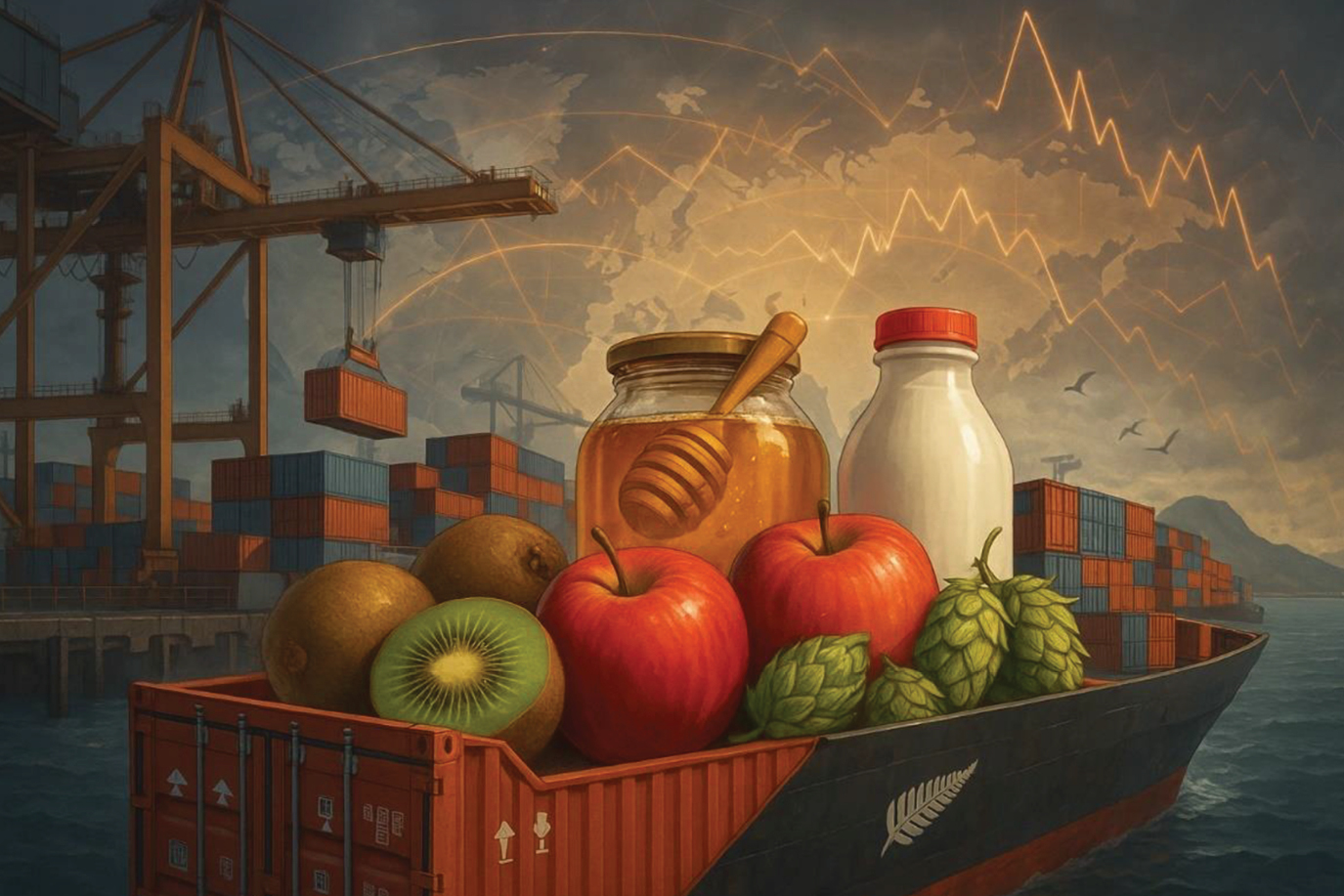
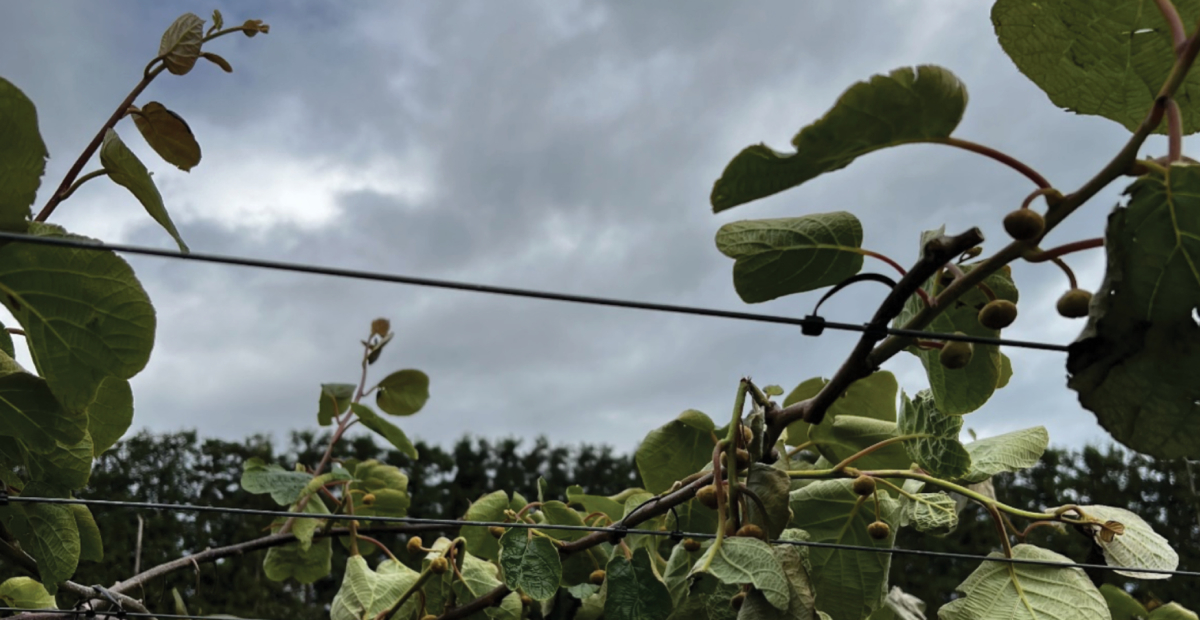

The kiwifruit industry is New Zealand’s largest horticultural exporter, responsible for 40% of all horticultural revenue (Aitken & Warrington, 2021) and in 2021, celebrated a record-breaking harvest exceeding $4 billion of global revenue (Burke, 2023). The impacts of climate change are being felt in the industry and will continue to have an impact on kiwifruit growing seasons into the future.
The purpose of this report is to collate scientific climate change data, analyse the likely impact this will have on key kiwifruit growing regions and summarise strategies to help kiwifruit growers build climate change resilience.
The aims of this report are to:
- Outline the likely impacts of climate change for New Zealand.
- Understand the current impacts of climate change on kiwifruit growers and where the greatest risks are for the future.
- Provide recommendations that will help build resilience and give growers confidence going forward.
The methodology for this report was based on the three-legged stool model. This included conducting a literature review, semi-structured interviews, and a thematic analysis to discover new knowledge to help build climate change resilience amongst kiwifruit growers.
The four main areas of climate change impact are:
- Average temperatures are set to increase.
- Minimum temperatures are set to increase.
- Average rainfall (precipitation) will be varied across the regions. The upper North Island is likely to become dryer.
- Hot days (>25 oC) are likely to become more frequent with impacts posing a moderate risk.
These climate change impacts will have two major impacts on the kiwifruit industry. Firstly, there will be a decrease in winter chill hours, directly affecting the number of flower buds produced. Secondly, there may be a shift in suitable kiwifruit growing regions due to increasing temperatures. Regions that were formerly too cold and presented frost risk, may become more suitable than current regions.
The findings from semi-structured interviews and thematic analysis identified the following recommendations to help growers build climate change resilience:
- Growers should work to become financially resilient by building reserves for responding to future climate change events.
- Prior to purchasing a new orchard, due diligence should include climate change impacts.
- Climate change is not a static problem. Adaptability is an essential attribute for growers to maintain their climate change resilience.
- Collaboration will be key in responding to climate change. Growers, postharvest and Zespri all have their part to play.
Transparency of data from postharvest and Zespri is needed to give growers confidence in the longevity of the kiwifruit industry.
Bryce Morrison