
Today’s farmers are under increasing pressure to adopt more efficient agricultural principles, making the best possible use of resources by minimising high energy inputs, such as pesticides, fertilisers, fossil fuels and water, without loss of food quality and yield. The challenges are to maintain and increase productivity and profitability, while reducing any potentially negative environmental impacts. Investing in new technology will help farmers meet these challenges. GPS (Global Positioning System) is one area that has the potential to meet some of the challenges faced by farmers today. However it is important to know that there is a timely economic return from any new investment in technology. The price of GPS/ precision farming technology has continued to decline as its capabilities increase. This could be a good time for the NZ arable farmer to invest in GPS. The three major uses of GPS in farming are mapping, input control and machine control. This allows farmers to improve agronomy, reduce error and change practice i.e. strip tillage farming. The advantage of using GPS / precision farming technology is input savings from more precise field application of seed, fertilizers, chemicals, fuel, and labour, as well as increased benefits to the farm production process, the ability to work over a longer period, reduced driver fatigue, and improve agronomy.


 2025
2025 Overcoming Barriers to Data Interoperability Within New Zealand’s Wine Industry
NZ wine confronts rising costs and unpredictable markets. This report by Zac Howell reveals how smarter data use, strong governance, and industry trust can unlock ...
 2025
2025 Exploring the Future of Agritourism in New Zealand
Exploring agritourism as a way for farmers to boost resilience amid inflation, environmental pressure and price volatility through income diversification.
 2025
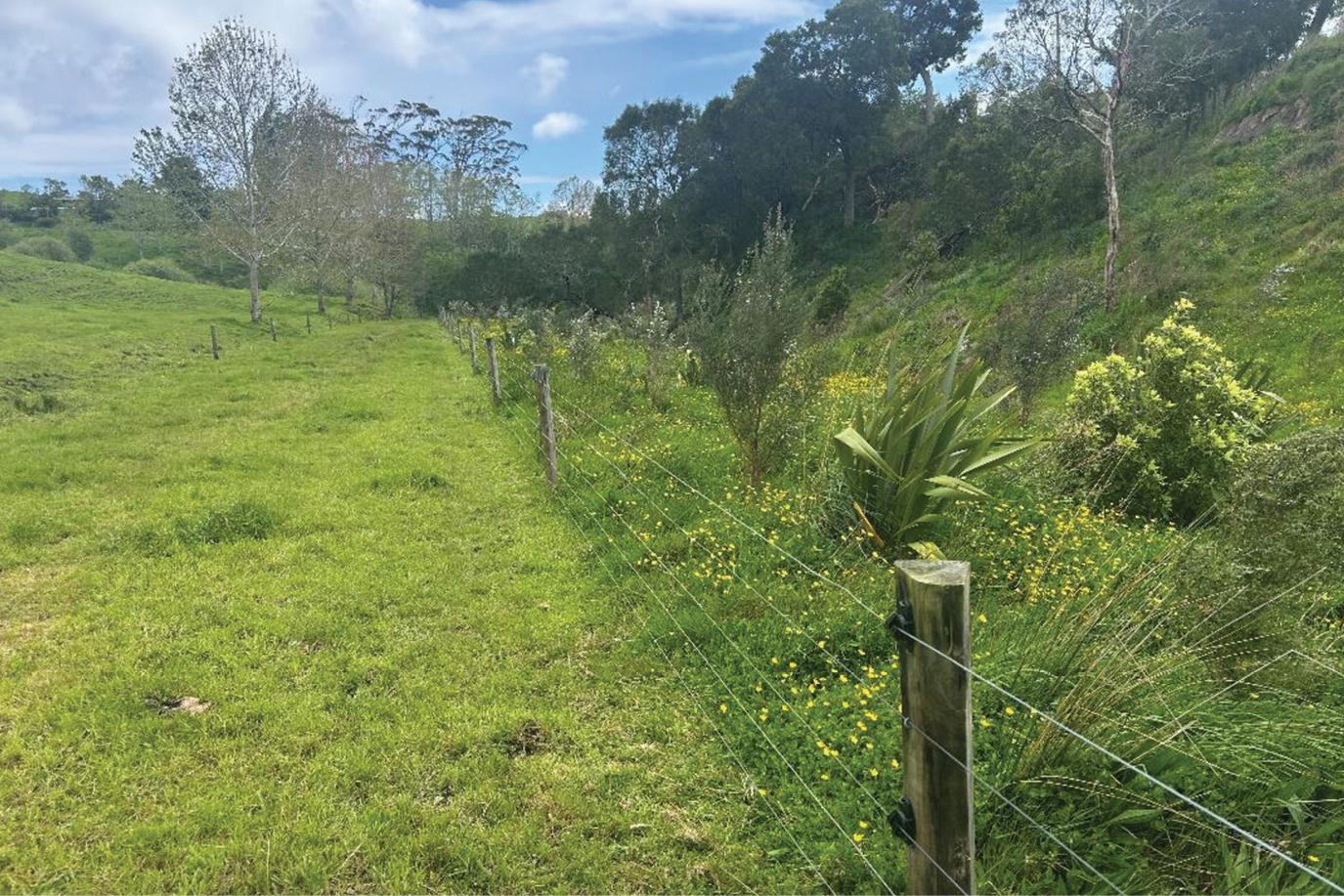
2025 Are Biodiversity Credits an Opportunity for Sheep and Beef Farmers?
Farmers show strong interest in biodiversity credits, but high administrative costs and unclear financial incentives remain challenges. This report by Tim Orlando-Reep recommends simplifying measurement ...