
This research assignment aims to look at the need for diversification in horticultural crops within regions. This has become evident through the unwanted introduction of Psa to New Zealand. Regions such as the Bay of Plenty are largely exposed to the kiwifruit industry which is concerning when currently the outlook on the industry is still very bleak. I will look at the regional impact that a downturn in the industry could result in and ultimately relate this back to the need for diversification of the individual grower to ensure that the region by default is diversified. In order to show this I will base some figures for kiwifruit on an actual orchard that is looking to covert some of the kiwifruit area to grow citrus. At the end we will see the overwhelming reason why the individual kiwifruit grower has not diversified into other horticultural crops. However there is still a strong need that growers look to investments outside the horticultural sector to gain some financial security if the New Zealand kiwifruit industry was not to recover from the Psa epidemic.


 2025
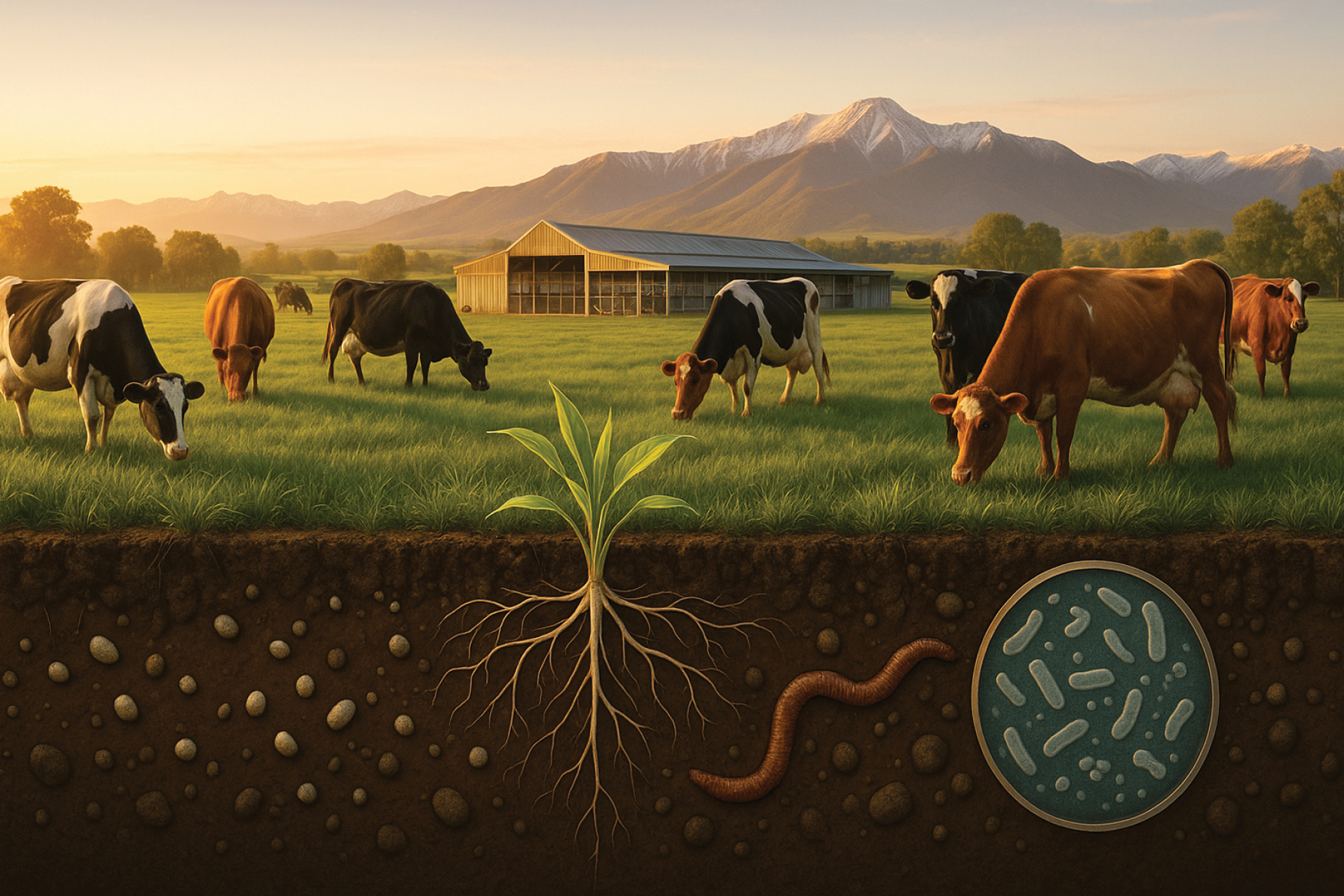
2025 The Soils Gap: Interactions Between Science, Commerce and Culture
Soil lays the foundation of all farming productivity. Farmers’ soil management is influenced by multiple factors, especially scientific perceptions. Studies on soil function and productivity ...
 2025
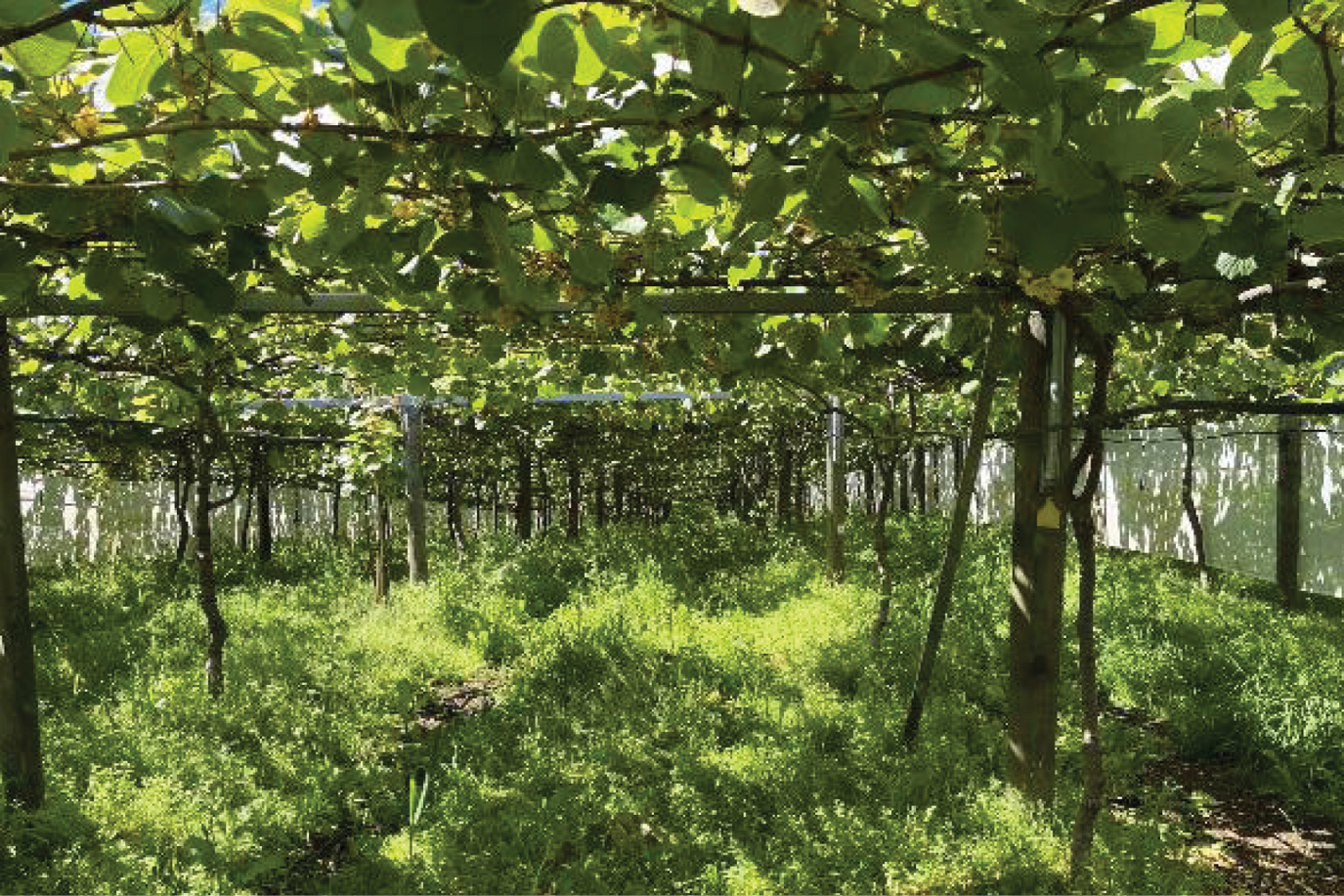
2025 Regenerative Agriculture in Kiwifruit Orchards – Barriers to the Adoption of These Practices
Regenerative agriculture is a holistic farming approach aiming to regenerate soil health and biodiversity. Pranoy Pal’s Kellogg report asserts that a lack of scientific data, ...
 2025
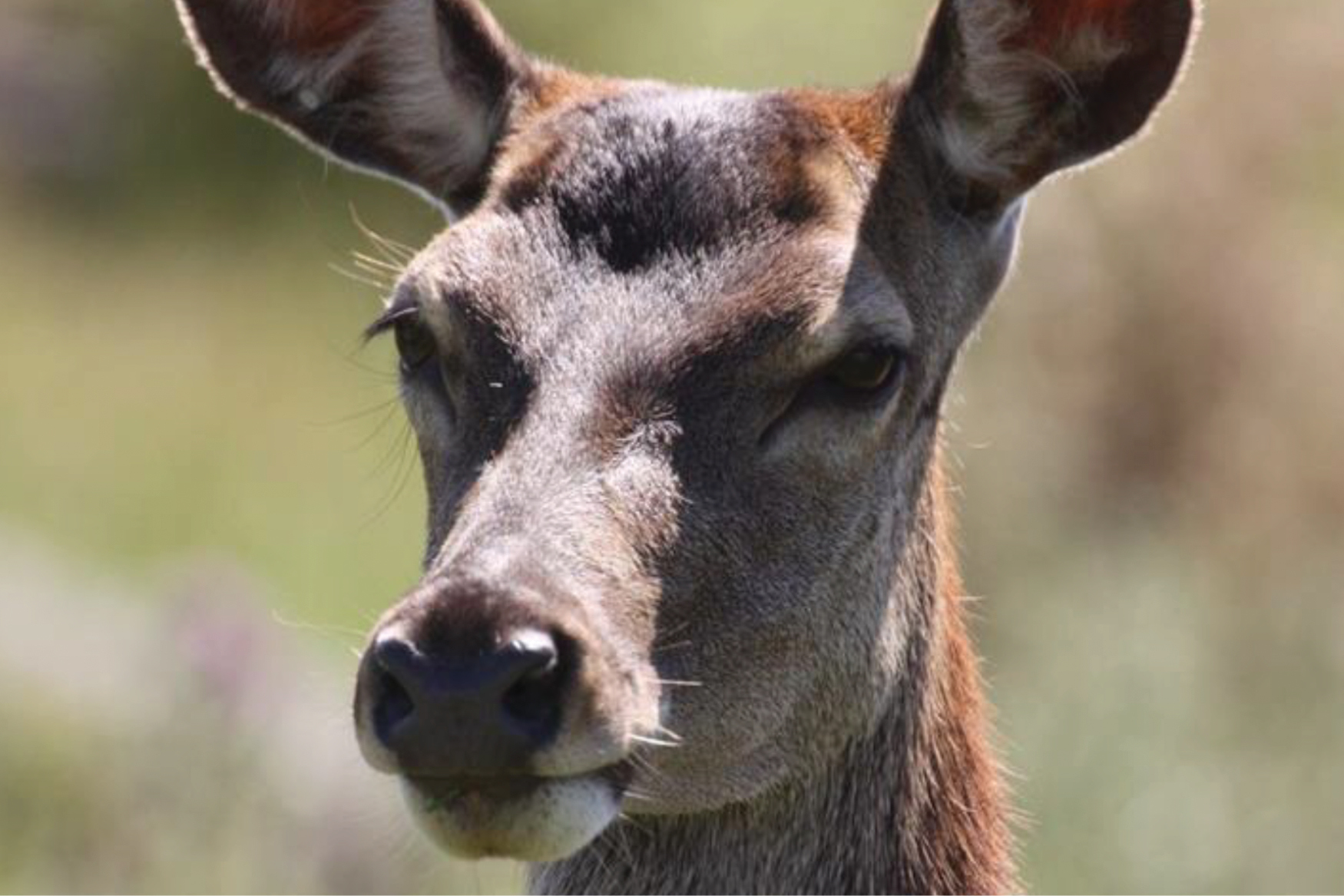
2025 Guardians or Executioners – Navigating the Ethics of Deer Control
Phil’s report examines the expanding deer population across Aotearoa New Zealand, its ecological and economic impacts, the limitations of current management, and the ethical tensions ...