
Civilisation has survived for thousands of years using primitive forms of agriculture but in a few short years it has threatened to self-destruct by introducing chemicals not natural to it’s environment. It has done this to ‘more efficiently’ protect it’s food resource. People are now beginning to understand the implications of this chemical usage and throughout the world an environmentally aware public is beginning to emerge. In time this group will become extremely powerful and if New Zealand and it’s food producing industries are to survive into the 21st Century and beyond, it must ensure that it’s produce is able to satisfy the demands of a very discerning consumer. This will become more apparent as the population of the Northern Hemisphere, particularly North America, Japan and Europe, begins the search for produce free of contaminants. To give some understanding of what risks are taken using agricultural chemicals some case histories are referred to and then to give some direction to the future some of the options are discussed, including the use of alternative chemicals, organic farming, integrated pest management and restricting the use of certain chemicals by introducing some form of licensing system to bring about a more responsible and accountable use of these chemicals.


 2024
2024 The Path to Peat Free
This report explores sustainable alternatives to peat for mushroom farming in New Zealand, focusing on wood fiber blends to reduce reliance while maintaining yield and ...
 2025
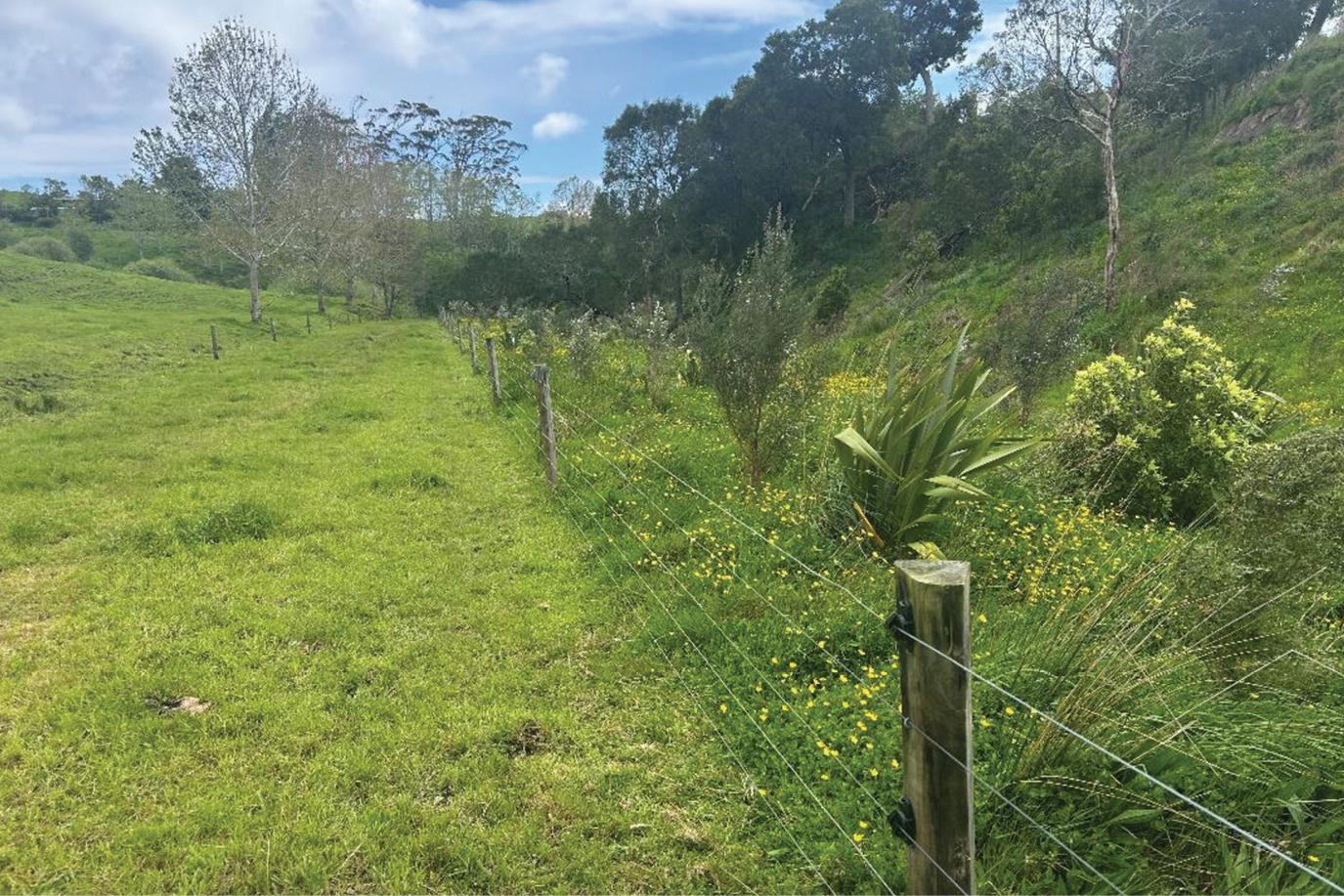
2025 Are Biodiversity Credits an Opportunity for Sheep and Beef Farmers?
Farmers show strong interest in biodiversity credits, but high administrative costs and unclear financial incentives remain challenges. This report by Tim Orlando-Reep recommends simplifying measurement ...
 2024
2024 How do young dairy farmers get ahead?
This research project seeks to understand how young dairy farmers in
Northland have got ahead and to learn from their examples and experiences.