
The primary objective of this project is to give the readers a greater understanding of what is expected of each party as and when they enter into a sponsorship agreement. Many rural events rely heavily upon sponsorship for their funding therefore it is important that all parties involved in the event understand the principles of sponsorship and event management. The trend in recent years has been for companies to hold fewer sponsorships but the ones that they are involved in will be bigger and the company will be more directly involved in the event. Sponsors are becoming more proactive about working and leveraging their sponsorships in order to maximise the return on their investments. Therefore the competition is intense between various events and organisations for the limited sponsorship budgets which are available each year. The large high profile events such as the Sydney Olympics, Americas Cup, Super 12 and the Rugby World Cup have somewhat sucked the coffers dry in New Zealand in the past 18 months. In order for the smaller lesser known organisations to survive and maintain their share of the sponsorship pie they must ensure that they run highly professional events and deliver a return on investment back to the sponsor. This project will give the readers an understanding of what sponsorship is, who to approach for sponsorship and why. Plus it gives a guideline to preparing proposal documents that stand out from the crowd. It will also explain the basics of professional event management and how to deliver the benefits of the sponsorship to your sponsor to ensure a long term win win relationship is developed.


 2024
2024 Turning skills into profit: How do we grow profitable dairy farmers?
This research paper aims to identify the key skills that drive profitability in NZ's dairy farming sector and explore how targeted training and development can ...
 2025
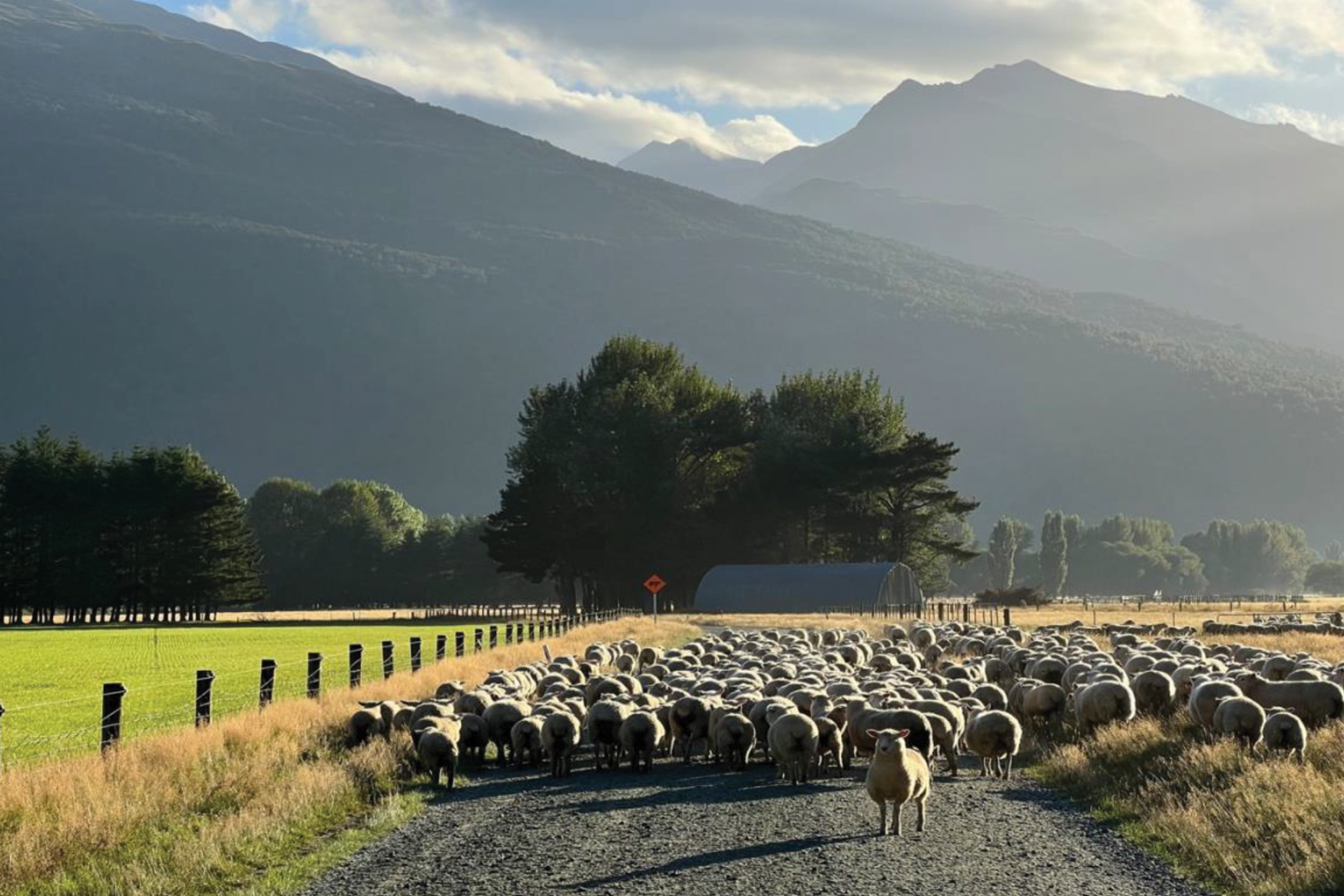
2025 How can we Maximize Production in our Decreasing Ewe Flock?
This report by Matt Ward looks at boosting ewe flock productivity amid national decline by using terminal sires, better genetics, and more innovative flock strategies ...
 2025
2025 Overcoming Barriers to Data Interoperability Within New Zealand’s Wine Industry
NZ wine confronts rising costs and unpredictable markets. This report by Zac Howell reveals how smarter data use, strong governance, and industry trust can unlock ...