
The traditional forms of agriculture in New Zealand have been providing an ever diminishing return for its primary participants – the meat, wool and dairy farmer. Diversification has been the popular call to farmers. There are two very basic flaws in this “idea” which fundamentally preclude our farmers from major worthwhile changes in direction: (a) Diversification takes time – years to achieve. (Apart from which much farmland is not suitable to much else but pastoral farming). (b) Financial constraints – if he could afford to spend the money major diversification needs, the farmer wouldn’t need to diversify! The net effect of this is that the institutions, organisations and individuals involved with farming have busied themselves with piecemeal and short-term “band-aid” solutions. This, rather than trying to devise a much broader approach to re-aligning the economy at large. There has been a general failure to approach agriculture as a vital and integral part of our total society/economy. With greater access to funds the city businessman has been best placed to take advantage of a sitution requiring large cash inputs, tax write downs and at the end of it all, a return on his capital. As a consequence, the lead in the diversification stakes has often been taken by the so called “Queen Street farmer” – e.g. kiwifruit and deer. This in turn has meant that subdivision of his land has usually been the farmers “best” means of diversification. The goat industry – fibre based as opposed to dairy – is the latest such industry to attract the big city dollars.


 2024
2024 The performance psychology of elite Canterbury sheep and beef farmers
This paper investigates whether the use of Sports Psychology tools could be that one percent advantage, what the most applicable tools are and how they ...
 2025
2025 A New Fleece on Life
Tara Dwyer reports the New Zealand sheep sector stands at a critical juncture, requiring courage, collaboration, and leadership, with recommendations for genuine product differentiation and ...
 2025
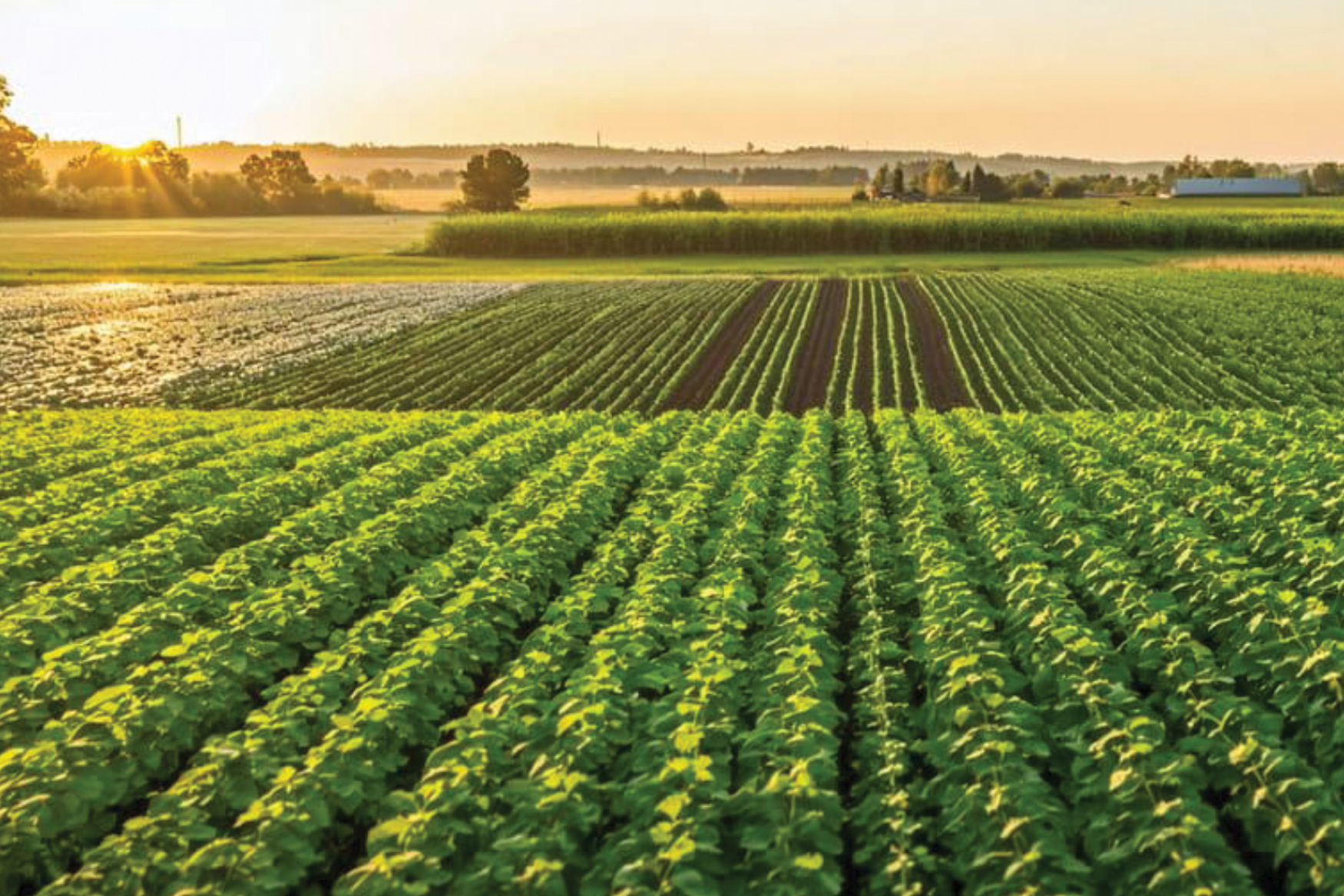
2025 Softer Crop Protection, the Way of the Future?
This report explores integrating biopesticides and IPM in NZ horticulture. Barriers include limited knowledge, resistance to change, and outdated regulations. Recommendations highlight education, expert collaboration, ...