Context
The market for dairy products in Zimbabwe, East Africa, and Southern Africa is growing and undersupplied. This paper investigates the dairy foods market, produces three years of financial projections, and investigates the critical success factors behind a greenfield large-scale pasture dairy operation. Investors from the New Zealand dairy industry have developed several projects worldwide, allowing relevant lessons to be used in Zimbabwe.
Aims
This study produces a concept plan for a corporate dairy farming company in Zimbabwe. It investigates the domestic and regional markets and the general business environment. The final focus is on discovering the critical success factors in developing a corporate pasture-based dairy company.
Methodology
A mixed method of interviews and secondary financial data was used to investigate the market in Zimbabwe, produce financial projections and develop an understanding of the critical success factors behind foreign direct investment into the dairy farming industry.
Key Findings
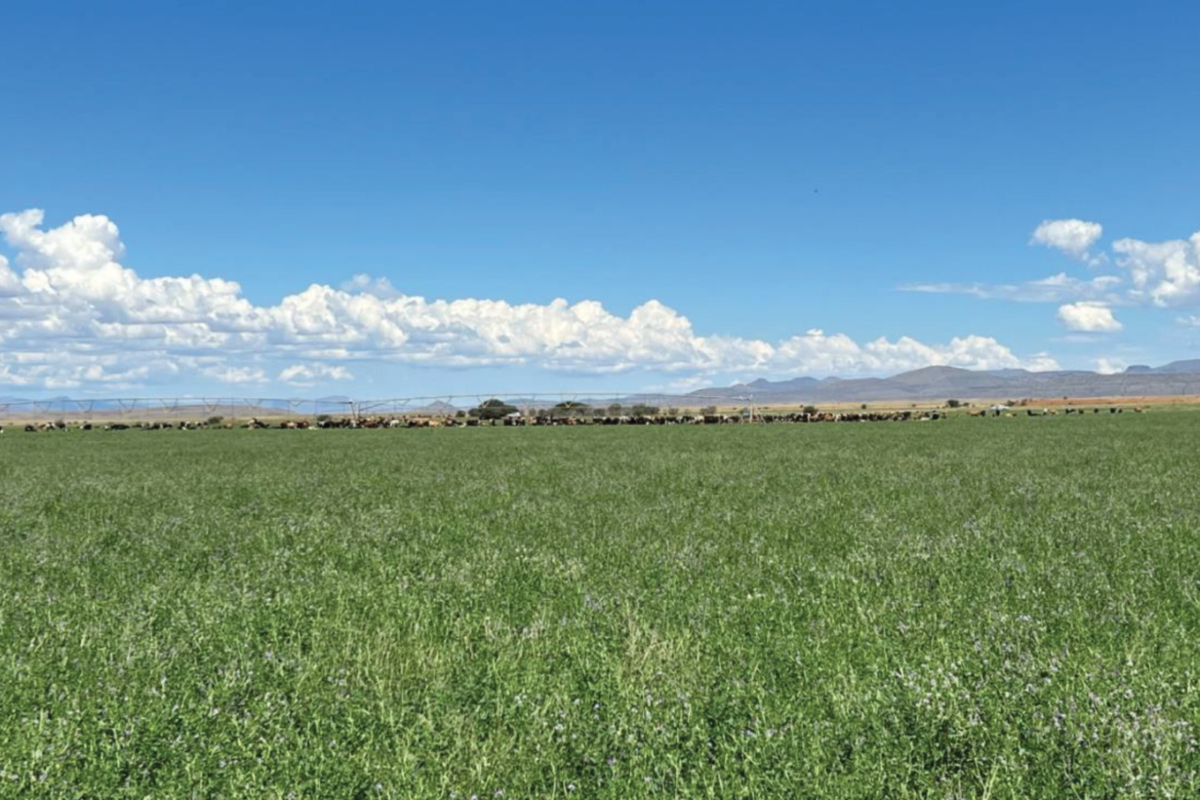
The market analysis indicates that Zimbabwe is a good country in which to develop pasture-based dairy farming on a corporate scale. The domestic milk market is in deficit, land with water is available, and the physical climate is the best in the region for pasture-based production.
The financial projects show attractive returns on capital, a substantial profit margin, and good cash flow. The returns consider the additional risk of operating in Africa, specifically Zimbabwe.
Careful choice of site, understanding of possible grass production, and the availability of supplements are vital in adapting the New Zealand pasture production system. Realistic budgets from the point of view of physical production and financial performance are essential. At the same time, leadership and an understanding of profit drivers are required from the director and farm management levels.
Recommendations
- The author should develop the proposal further.
- The author needs to identify the region of Zimbabwe in which to operate as a prerequisite.
- The promoter should project Conservative budgets.
- The promoter must find capital that fits the returns profile.
- A knowledgeable team must be assembled.
Rob Shaw, Robert