

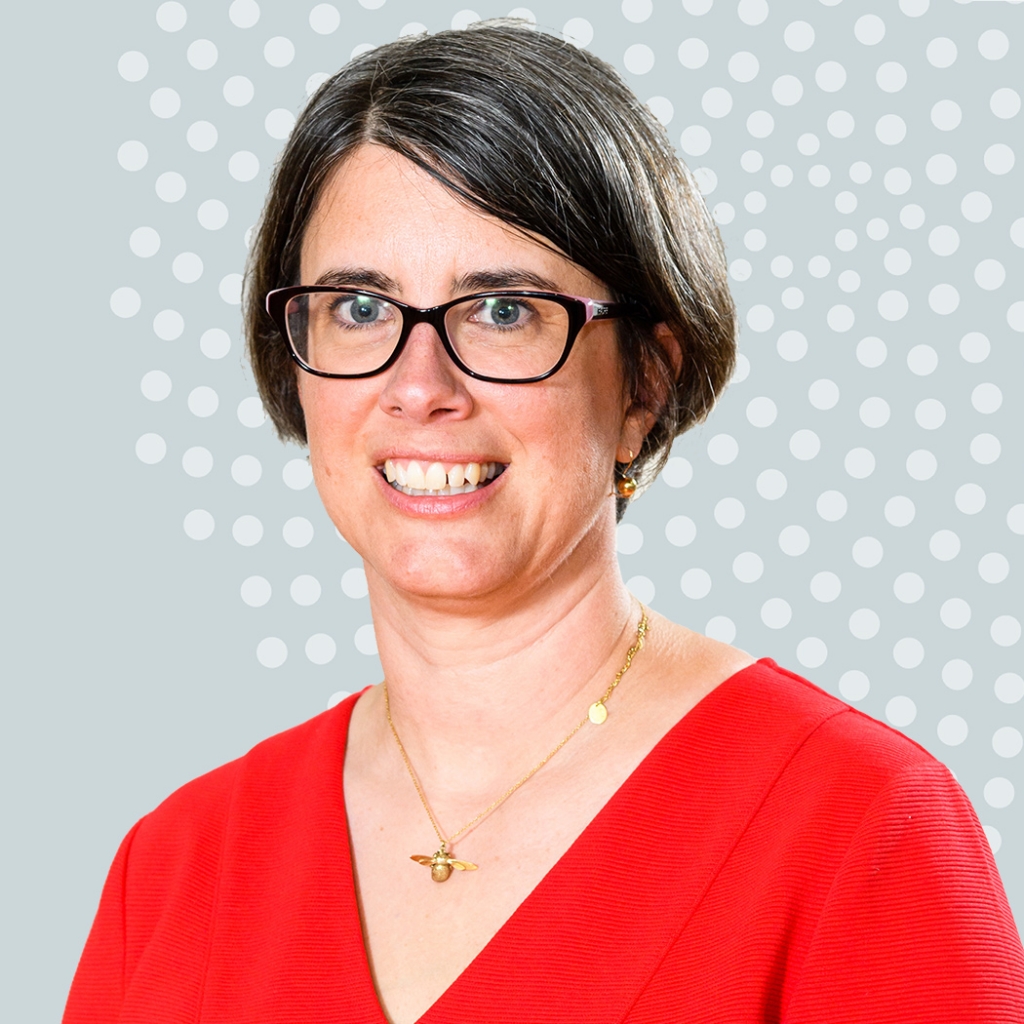
Lynsey Stratford came to farming from employment law. She grew up in the UK, took a first class law degree at the University of Kent, and practised at Slaughter and May in London, including a secondment to a firm in Helsinki, before moving to New Zealand with her husband Chris. Together they converted a 200ha property at Curio Bay on the Catlins coast and farmed it as equity partners and sharemilkers, milking 420 cows. They won the farming award at the Southland Environment Awards in 2011 and were runners-up for Sharemilker of the Year in Southland in 2013. Alongside the farm she consults on people management to primary sector businesses.
Lynsey applied to Nuffield after the first Covid lockdown, having decided the thing she wanted to look at was why farming kills and injures more people than any other industry in New Zealand. Her application put it in personal terms: she loves farming, and was nervous about her own son and daughter entering one of the country’s most dangerous workplaces.
Covid turned the scholarship backwards. Instead of travelling abroad first, the 2021 cohort toured New Zealand from Northland down to Curio Bay, and the international travel came after the report was written. She interviewed close to 50 stakeholders and read the research from New Zealand, Australia, the UK and the US. Super Heroes, Not Super Humans, published in May 2022, argues that farmers hold beliefs about risk that are largely invisible to them and that no amount of compliance paperwork will shift, that the sector has told farmers what to do without ever explaining why it is worth doing, and that the case for good work design should be made on what farmers already want: better teams, less churn, more productive days.

