2026 Nuffield NZ Farming Scholarship. Apply by 17 August 2025. Read More...

Apply for 2026 Nuffield NZ Farming Scholarship by 17 August 2025. More details...

Regenerative Agriculture: How might New Zealand benefit?

Executive summary

New Zealand agriculture is grappling with change as it seeks to find a new balance between feeding the world’s growing population while maintaining profitability and reducing negative environmental impacts.
There is a lot of doubt whether regenerative agriculture (RA) can provide a better way to address this global challenge and there is concern that it may increase emissions intensity, lower farm profitability, and struggle to feed the growing population.

RA is regarded by some as the solution to the global food crisis. Positive environmental outcomes can, in some cases, be achieved with the use of RA. High rates of carbon sequestration have been proven, albeit in depleted USA soils rather than in NZ.

RA is not well defined and there is a lack of scientific evidence backing some of its claims. Results from the system have proven to be unpredictable and highly variable. Some successful farm practices such as minimum tillage, avoiding bare ground, and using mixed pasture species are attributed to RA when in fact
they were used well before the RA concept emerged. These are already considered best management practices in a NZ conventional system.

There is evidence that greenhouse gas emissions and N leaching can be reduced on a per-hectare basis using RA. However, this appears to be achieved mainly through reducing inputs, resulting in lower production and farm profitability. When analysed per unit of production, these environmental gains were
much less apparent.

The benefits of altering soil microbiology are frequently discussed among RA communities. The claimed benefits have not been thoroughly tested and will require more research.

Some farmers using RA concepts say they are achieving similar levels of production with fewer inputs. RA systems must be tested over many years to see if any initial benefits can be maintained. For example, if high levels of soil fertility existed before changing to RA, these can be ‘mined’ for several years before production levels then crash.

This report suggests that, while there are positive aspects of RA, it is unlikely to match the productivity and profitability that can be achieved with conventional agriculture. If this is the case, RA may be able to reduce environmental impacts, but it will fail to help grow the food supply to meet the needs of the world
population increase or to maintain NZ export income.

If, as appears likely, that agricultural outputs such as meat and milk produced using RA methods have higher emissions intensity, there is a real risk for the farmers involved. Offshore customers for NZ agricultural products look very favourably at NZ’s low emissions intensity and demonstrate little interest in
NZ’s internal debate about sector-by-sector total emissions. Higher emission intensity products may be discounted in value. Further, NZ farmers will soon have to start paying more for their emissions. Improved efficiency and lower emissions intensity will be the key to viably adapting to this change.

NZ farmers and growers should note how RA has been used in marketing to obtain a “green premium”. The industry can learn from RA about leveraging these advantages.

Recommendations
1. Treat investment into regenerative agriculture with caution due to the lack of scientific evidence, and variation in its outcomes and likely reduction in farm profitability. This applies to farmers, growers, and processors.
2. Research the untested claims of regenerative agriculture. Particularly soil microbiology and the effect it has on plant growth. Such research is difficult to carry out at farmer level and will likely require input from CRIs.
3. Introduce practices such as minimum tillage, avoiding bare ground, and mixing low numbers of pasture species, to those farms that are not doing so already.
4. Develop marketing strategies for NZ food and fibre which leverage the consumer positivity associated with ‘greener’ farm practices. This will likely require input from both processors and industry-good organisations.

Kris Bailey

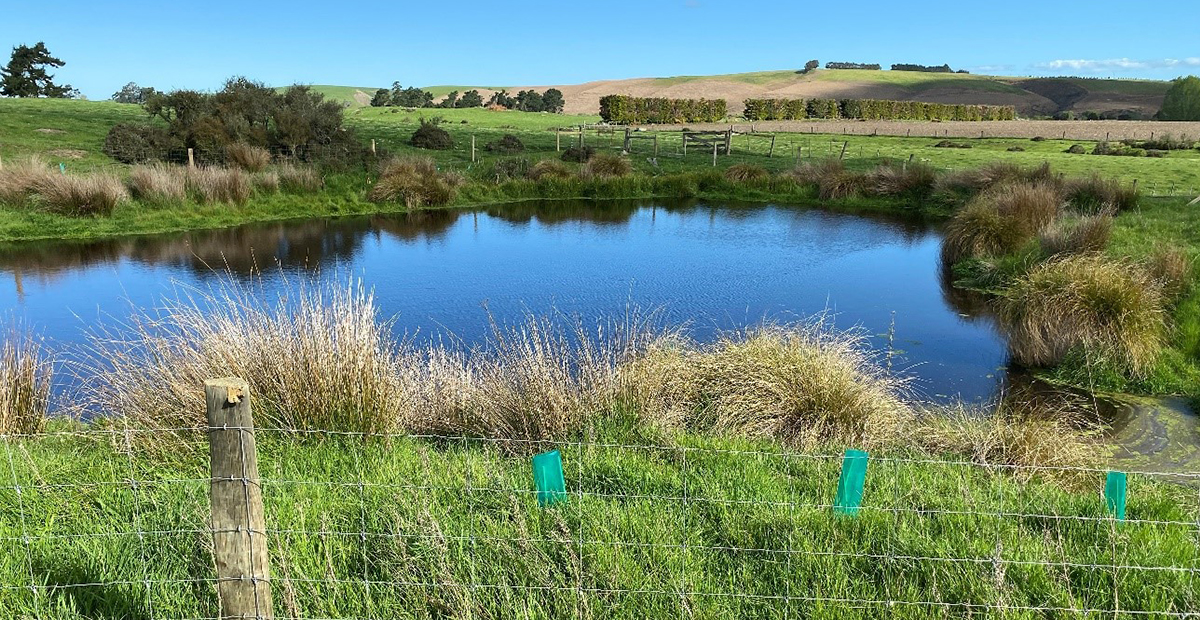
How might freshwater regulations provide certainty for farmers to innovate?

Executive summary

There has been a considerable amount of regulatory change in the freshwater space over
the last 15 years which has been difficult to implement for both regulators and farmers. Whilst
these regulations have lifted the bar on some practices impacting waterways it has also
created some uncertainty for farmers.

The purpose of this research is to investigate the relationship between changing freshwater
regulations and farmers appetite to innovate on farm to achieve freshwater improvements.

The aim of this research is to determine what impact changing regulation has had on farmers
adopting innovative freshwater management practices on farm, to understand the scope of
emerging and accepted mitigations to achieve freshwater outcomes through innovation
and to develop practical recommendations for how freshwater regulations can be drafted
to provide certainty to farmers whilst improving the quality of Aotearoa’s waterways.

The methods of this research project consisted of semi-structured interviews with dairy
farmers, a regulatory scan of current freshwater regulations under development, a thematic
analysis of interview responses and a policy assessment of options against chosen criteria
analysis to investigate how freshwater regulations can be drafted to provide certainty for
farmers to innovate.

The findings showed that further regulations for freshwater management are required to
implement the National Policy Statement for Freshwater Management 2020 within regional
plans by the end of 2024. An approach to freshwater management that meets the criteria of
flexible, enforceable, practical, and ambitious would provide certainty to farmers to
innovate and meet regulatory requirements. Three options of regulatory approaches were
analysed against these criteria: an input-based approach, a risk-based approach and a
catchment collective approach. The options analysis showed that a risk-based approach
which regulates through a farm planning regime like Freshwater Farm Plans is the most
effective way to regulate for freshwater management whilst providing certainty for
innovation. A mixed approach including input-based regulations and catchment
collectivism is likely to be needed to meet all objectives of the NPS-FM, however a risk-based
approach should be heavily relied upon by regulators.

The following recommendations were made in response to the research questions; How
might freshwater regulations provide certainty for farmers to innovate?

• Regional councils should utilise a risk-based approach to regulations including the
Freshwater Farm Plan scheme when implementing the NPS-FM 2020 in regional plans.
• Central government (in particular MPI and MFE) should support the implementation of
Freshwater Farm Plans in a way that ensures they are flexible, enforceable, practical and
ambitious.
• Political parties should avoid using freshwater regulation as campaigning tool, instead a
non-partisan approach should be taken with any further regulation required (relating to
freshwater) developed effectively outside of three-year political cycle.
• Farmers should utilise Freshwater Farm Plans to capture evidence of all mitigations
implemented on farm, including those that were innovative or early-adoption.
• Processors should continue to develop and integrate recognition programmes for good
practice and where possible provide a premium as a way to encourage and
acknowledge early adopters of innovative practice.

Anna Sing

New Zealand Dairy trade and market expansion opportunities

New Zealand exports in excess of 90% of its dairy products and is the world’s leading supplier of whole milk powder to China. New Zealand must expand current dairy trade markets and identify emerging market opportunities to remain competitive in the global dairy trade. New Zealand is an export dependent country, that efficiently produces milk and dairy products in excess of domestic market requirements. Returns from dairy trade contribute over 40% of food and fibre revenue which is more than 80% of the total export revenue to the New Zealand economy. China is New Zealand’s largest dairy product export market, importing an estimated NZD$8.3 billion of whole milk powder during the 2022 year. Pre-COVID and the Russia – Ukraine conflict, the demand for New Zealand dairy products was increasing in the Asia and Middle East regions; particularly in countries such as Japan, the UAE and Singapore. Food security has become a priority for countries such as the UAE and Singapore, who are dependent on food imports to feed their populations.

Dubai, Tokyo and Singapore are studied in this research, exploring trade expansion opportunities throughout the Asia and Middle East regions, through applying a gateway city model. The literature describes gateway cities as business hubs, linking international financial and consumer markets and connecting nearby regions where trade has been restricted due to political instability, social unrest, or bureaucratic red tape. The importance of political stability in the gateway city and country is an important element for gateway cities. Both Dubai and Singapore are well respected in their regions for the secure flow of finance and reliable financial systems. Geopolitical uncertainties can be high in Asia and the Middle East regions and Dubai and Singapore are recognised as a safe place to engage in business and investment.

Gateway cities perform an important role of connecting their hinterlands and peripheries to the global trade network. Gateway cities further perform a brokerage role; mediating the flow of goods, capital and labour; creating a connection between regions through a central role in logistics, transportation and wholesaling. Gateway cities gain wealth from their regions and create regional economic wealth. They are cities that are seen as attractive places to live and work for foreign talent, tourists and investors. Further, gateway cities like Singapore and Dubai have Governments who have invested in creating trade relationships that support the ease of trade and access to markets. Tokyo is a unique gateway city, connecting Tokyo to Japan’s domestic market and the wider Asia region. Japan has gained power and influence through regional and global economies; connecting to its hinterland and other world
cities.

The Asia and Middle East regions are the largest volume importers of whole milk powder (WMP), followed by skim milk powder (SMP), cheese and butter. The UAE is the second largest volume importer of WMP, behind China during the 2017-2021 years. The ten largest volume importers of SMP are from the Asia region and the Middle East countries do not feature on the top ten list. Japan is the largest volume importer of cheese and the UAE is the sixth largest volume importer of cheese. Five Middle East countries feature as the top ten cheese importers across the Asia and Middle East regions. Butter is the least imported dairy product across the regions, however Singapore, the UAE and Japan all feature on the top ten largest volume importer list for the 2017-2021 years for butter. New Zealand will remain a strong exporter of WMP and butter and the cheese market is one that can be further expanded. New Zealand is a larger volume exporter of dairy products across the Asia region, and the Middle East market creates an opportunity for market expansion. The UAE, Japan and Singapore are three countries which feature on the top ten importing countries across the Middle East and Asia for all four dairy product imports.

Domestic dairy production in Japan is highly regulated to create a stable supply of fresh milk for the domestic market. The cost of producing milk in Japan is high, with a dependency on feed imports, driving the cost of production. Despite strong Government support and subsidies, Japanese Dairy Farmers are experiencing the challenge of increasing business debt and an ageing workforce. Japanese consumers enjoy engaging with the origin of their dairy products and agri-tourism is popular. Health benefits drive Japanese consumer behaviour towards dairy product choice and dairy products such as: international cheeses, yoghurts, drinking yoghurts and protein drinks are becoming increasingly popular. Singapore and Dubai have limited domestic production of milk and are reliant on imported dairy products.

Singapore has a diverse population. The expatriate population contributes to 30% of the total population and has influenced Singaporean diets, resulting in an increase of dairy product consumption. Singaporean consumers are health conscious and consider dairy based protein for health and nutrition benefits. Singapore and Dubai import more than 90% of their food for their domestic population. Up to 90% of Dubai’s population are expatriates from over 200 nationalities. Dubai supermarkets are specifically targeted at consumer groups and cater for a super diverse population meeting the needs by extensive food imports. The UAE is experiencing a shift towards more value-add, convenient and healthier food alternatives, developing a taste for westernised diets; influenced by a growing expatriate population. Food security strategies have created heightened awareness for food import dependent countries; Singapore and the UAE. The Singaporean Government has invested in science, innovation and research to look at alternative forms of growing food and protein. Singapore is well known for its science and research centres along with its urban strategy.

Further research to understand the influence of country-based culture on consumer food choices across Asia and the Middle East is required. Current research does not adequately understand the cultural influences on dairy product choice and consumption. Understanding country-based culture provides an insight into the daily eating habits, rituals, traditions and consumption patterns. Asia has been a traditional consumer of plant-based protein and understanding the social shift that is occurring particularly in ageing populations is important.

Consumption of food has been linked to economic and social factors, including disposable income, age, education, family member and family size. Consumer buyer behaviour is different for domestic populations compared to expatriate populations, particularly in Singapore and Dubai, where the expatriate population is significantly higher than Japan. Increasing urbanisation also impacts consumer food choices along with population growth leading towards higher value foods and an increase in dairy product consumption.

Keywords for Search: Parmindar Singh

Could herbicide resistance reduce the growth potential of our primary industries?

Executive summary

Background: Thanks to our climate, location and innovate farming practices NZ primary producers have become very successful through being highly efficient at producing high quality and trusted foods.

Crop protection products have contributed to the success of New Zealand farmers and growers for many years. Whilst this is likely to continue for the foreseeable future, the rate that plants, insects and diseases are developing resistance to these tools is growing and likely to increasingly cost our industry and country into the future.

This report focuses on herbicide resistance and compares our situation in New Zealand to other OECD countries we often compare ourselves with. This report highlights current knowledge and/or awareness gaps, shares information we might use to influence decision making and propose ideas that we might adopt to tackle this issue.

This report answers two questions;

  1. Could herbicide resistance reduce the growth potential of NZ’s primary industries?

  2. How might NZ mitigate the affects of herbicide resistance to our primary sectors?

Key Findings: Herbicide Resistance is a significant and growing threat to global food production (CropLife Australia). In NZ, the incidence of herbicide resistance has risen significantly over the last two decades (NZ Plant Protection Society). In one recent arable sector survey, completed in the canterbury region, it was reported that 48% of farms tested had some form of herbicide resistance (Buddenhagen 2021).

An overseas example from the UK shows one weed (Black Grass) is costing the UK economy nearly £400 million and 800,000 tonnes of lost harvest yield each year, with potential implications for national food security. The worst-case scenario – where all fields have a high proportion of resistant black-grass – could result in an annual cost of £1 billion, with a wheat yield loss of 3.4 million tonnes per year (Rothamsted 2019).

The majority of herbicide resistance cases have arisen during a time where only one new herbicide mode of action has been introduced, in the last 30 years (Blois 2022). When considering this trend, along with the industries need to replace “old chemistry” products and as certain ingredients become restricted, prohibited or ineffective (APHANZ 2021), it’s clear we need to be doing more to manage this issue to be able to farm effectively into the future.

Recommendations: More detail is discussed in the recommendations section of this report. For this section I have kept this brief and grouped into six key areas;

1, Strategy – Whilst we support those currently managing herbicide resistance issues and those working in this area, we also should develop cohesive strategies. The plural is important, as in conjunction with a national strategy, this should be supported by regional and sector strategies to maximize results.

2, Awareness – To succeed, we will need to lift the level of importance of this issue, such that it receives more ‘band width’ and focus with in each of our farming sectors and on farm. Respected farming leaders could help champion this (similar to rural mental health).

3, Collaborate – We must act together in a structured way. For this to be most effective, we should consider how we can best engage national and regional government, science, sector bodies, rural professionals and applicators, but with farmers and their advisors in mind so that practices are practical.

4, Educate – Our sector is well resourced with experienced people in the following areas; science, extension and industry. With a staged and cohesive approach, we can improve knowledge levels on how to improve outcomes into the future. We are fortunate to have much science to refer to in this area.

5, Support – With the development of national, regional and sector plans, farmers will need support to help them implement these locally. Local groups should be developed and supported so that practices and strategies can be implemented. This will of course need national and local funding to succeed, this should be a mix of government (national and regional), sector and industry.

6, Act – With the benefit of clear, national, regional and sector plans we must implement change, utilizing new, existing and local best management practices to reduce the growth in future incidences of herbicide resistance to improve outcomes for our industry and farmers. This could start with reviewing the NZ Herbicide Resistance Task Force, which is a group of NZ Plant Protection Society members who are actively involved with researching herbicide resistance within New Zealand, to decide if this is fit for purpose and whether further support and investment is needed.

Where Does the Future Lie for the Arable Industry in Canterbury?

William Wright Kellogg report image

Executive summary

Arable farming in Canterbury is at a crossroads. The wettest harvest in the last 30 years, coupled with high inflation, low profitability, and a changing regulatory scene, has seen farmer morale at its lowest point in many years.

Changes in land use to dairy or dairy support and more extensive family farming operations buying up smaller operations have caused the number of arable farming businesses to decrease significantly over the last 20 years.

In the early 2000s there were over 1200’s arable farms in Canterbury. This has now been reduced to less than 500 (Merrilees, 2021). Recent freshwater regulations now mean that converting to more intensive land uses is difficult. If profitability issues continue to worsen farmers now feel like they have few options.

This report aims to provide a broad overview of the arable industry in Canterbury with a key focus on understanding whether maintaining a business-as-usual approach to farming would be enough to maintain operations into the future. A literature review, informal indicative interviews and two proven models were used to answer the following questions:

  • Why is it important to have a viable arable industry on the Canterbury Plains?
  • Can arable farmers continue to operate business as usual?
  • What factors determine the underlying cause of poor profitability in the industry?
  • What are the potential solutions to improve the long-term viability of the industry?

Canterbury Arable Farmers are highly skilled and have access to some of New Zealand’s best soils, irrigation, and research. Canterbury’s climate, infrastructure and skilled grower group means that they are undeniable world leaders in grain and seed production and are critical to the success of our red meat and dairy industries as well as the security of New Zealand’s domestic food supply.

However, Canterbury arable farmers are facing a number of challenges both domestically and internationally and the long-term viability of the arable industry as a whole is potentially under threat from high rates of attrition, low returns on investment and fragmentation of the growers.

Reliance on the traditional growth pathway of increasing production is unlikely to be
sustainable in the long term, though current external forces driving high commodity values may enable the status quo to be maintained in the short-medium term.

Arable farms are flexible and agile in nature which means they are well poised to pivot into new opportunities as they arise. The key areas where the arable industry can improve its long-term viability are:

  • Continue to build resilience into farm systems.
  • Cooperate.
  • Stop beating up the merchants.
  • Differentiate the offering.
  • Invest or partner in supply chains.

If Canterbury arable farmers continue to sit back and expect a better future without taking any action the industry will likely continue to diminish. If farmers take the opportunity that a favourable short-term outlook provides them then the opportunities are endless.

Accessing consumer willingness-to-pay for environmental action on farm.

Rebecca Begg Kellogg report image

Executive summary

As farmers must bear the increasing costs of environmental regulation, social expectation, and consumer demands, it is important that they maximise the value they receive for their food and fibre products. While some farmers can seek added value for their products by trading directly with the consumer, many are operating a business model where they supply processors and rely on them to access and pass on added value from marketing particular credence attributes to consumers.

This research considered the question: Are consumers willing to pay for environmental action on- farm such as fencing and planting of riparian areas, and if so, how can farmers access these premiums?

In preparing this report, a literature review was followed up using semi structured interviews with processors and industry experts. Insights were condensed into themes for analysis and helped inform the discussion and findings.

There were three key findings, or themes that impacted on farmers access to premiums for environmental action on farm. These are:

  1. A ‘ticket to the game’ or farmers putting themselves in the best position to capitalise on premium opportunities,

  2. A ‘right to play’ which was making sure that products met minimum consumer
    expectations-whether there was a financial incentive to do this or not, and lastly,

  3. Disincentives can be used to discourage management actions if they are not desirable for customers or consumers.

Key concepts that underpin accessing premiums include product assurance, communication between suppliers and consumers, relationships with processors and demonstrating continuous improvement of farming practices to encourage trust in brands and credence attribute claims.

For farmers to maximise their returns and capitalise on environmental and sustainability premiums, it is recommended that farmers:

  • Engage with their processors to understand consumer trends, find opportunities for added value and to access advice on sustainability requirements,
  • Participate in farm assurance schemes and work towards extended or premium
    programmes with your processor,
  • Future proof their business by being initiative-taking in adopting environmental management practices and aim for continuous improvement in systems,
  • Share their stories from behind the farm gate,
  • Embrace technology for data sharing to reduce reporting and verification burdens,
  • Investigate a collective approach to productising attributes of local produce to
    generate a premium.

And that processors will be able to facilitate increased premiums for farmers by:

  • Communicating with their suppliers to understand the attributes that are marketable so farmers can plan accordingly and amend practices,
  • Being transparent about added value, including where those premiums are coming from and how they are being shared with suppliers,
  • Rewarding or incentivising environmental or sustainability action on-farm,
  • Connecting animal welfare and food safety attributes to environmental sustainability which may generate a premium from those attributes,
  • Articulating New Zealand’s environmental credence attributes to promote added value, and
  • Investigating how to ease reporting burden for farmers.

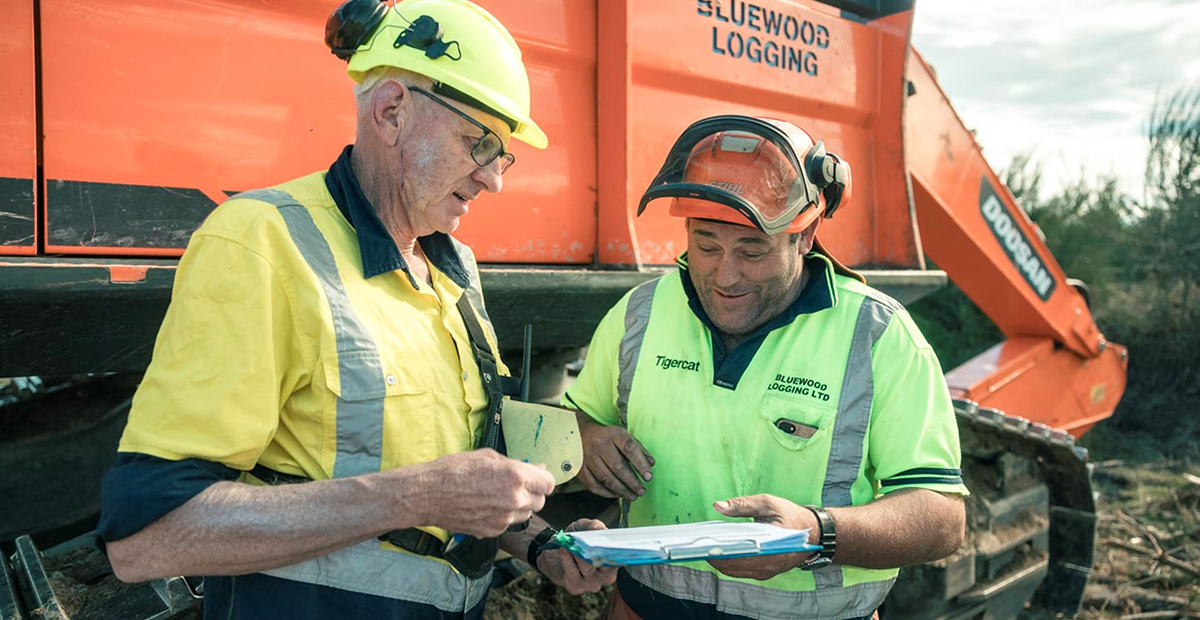
From knowing to implementing.

Nicki Davies Kellogg report image

Executive summary

The New Zealand Forestry Industry has witnessed an exponential growth in Environmental Regulation in the last five years and this will only but continue. The implementation of regulation however has been challenging to the current workforce as there is a lack of support, education, understanding, decision making and leadership across all levels of the industry and government.

Most of the challenges we face are not old, but we now have to consider them through a different lens. What has been done in the past is now obsolete and the next generation of foresters will be key to the industries success. The industry needs to embrace diversity, nurture change, innovate, try new ways of engaging people and build talent for the future.

Nothing will change if nothing changes.

This research report attempts to answer the question “how to support and achieve environmental compliance in a world of change? This was done by looking at the environmental culture of a production forestry company, exploring leadership styles, motivation towards change, understanding of individual environmental responsibility and performance expectations. Then, to analyze gaps and barriers to deliver on meeting environmental performance standards and make recommendations on how we can effectively support a movement towards a high level of environmental compliance at both a company and industry level.

Key findings:

The forestry industry needs to lift the quality and capacity of workers in the industry. Higher levels of education, understanding, decision making and leadership is required across all levels of the industry.

There is an aging workforce with both contractors and forest mangers across all aspects of the forestry industry. Effort is required to attract, support and grow the next generation in the industry.

More credible and functional relationships need to be formed between the forestry industry, central and local government. Significant investment is required in promoting forestry as a sustainable and viable industry in New Zealand.

Recommendations

  • Individuals who regulate and work within the industry need to get better support and gain the training and skills required to understand and be confident in knowing what regulation requires and how to achieve that on the ground. Known and proved change management techniques should be followed to assist individuals on the journey at a political, industry and company level.

  • New Zealand Forest Owners Association (NZFOA) need to be promoting for a greater number of students to enter the forestry degree programmes.

  • NZFOA and wood councils need to strengthen regional environmental working groups and work together, alongside regulators, to address the most  environmentally challenging areas of rule implementation of the industry.

  • Action the development of spatial tools and guidance to determine high risk land areas to give better clarity to all stakeholders of where the real environmental risks are. Determine land classes and land forms where production forestry as a land use is not suitable.

  • Those writing and amending regulation need to better describe measurable standards and targets that can implemented and complied with on the ground.

  • Rules and regulation need to have a clear purpose which gives clarity on the values we are protecting.

  • NZFOA need to invest in some real expertise to help address the significant reputational issues the forestry industry has.

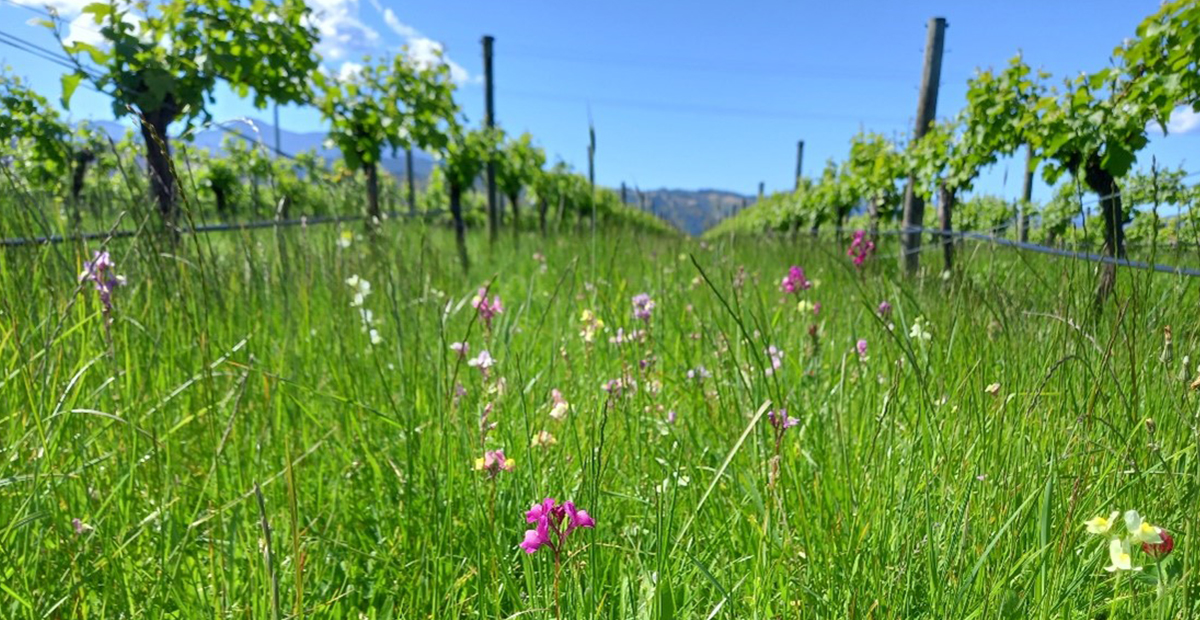
Regenerative Viticulture – the Answer to a Future-proofed New Zealand Wine Industry?

Jessica Wilson Kellogg report image

Executive summary

There is ever increasing pressure for food and fibre industries to be producing in a sustainable manner. Winegrowers are producing a ‘luxury’ item in comparison to food producers. Due to this the decisions and actions of the NZ wine industry need to protect the landscape in which they operate as well as their social licence to operate.

This report investigates the current status of sustainable winegrowing in New Zealand and establish whether regenerative viticulture is the answer to a future-proofed industry. The objectives of this study were to:

  • Review sustainable wine production in New Zealand and outline its goals and aspirations.
  • Determine what regenerative viticulture (RV) means.
  • Determine if regenerative viticulture aligns with Sustainable Winegrowing New Zealand’s (SWNZ) goals to future-proof the industry.
  • Investigate whether regenerative viticulture addresses significant issues such as climate change.
  • Determine the role, if any, regenerative viticulture may have in the NZ Wine industry.
  • Propose a plan of action for the NZ wine industry.


To carry this out a literature review of sustainability and regenerative agriculture/viticulture was completed followed by eight semi-structured interviews with members of the wine industry. A digital survey was also created with 51 participants from the New Zealand wine industry. The interviews were analysed using thematic analysis and the survey was analysed using graphing on Microsoft Excel.

The New Zealand wine industry is a world leader in sustainability and is faced with environmental issues like other primary industries in the Food and Fibre sector (Dodds, Graci, Ko, & Walker, 2013; Mariani & Vastola, 2015). Future-proofing the industry was important to participants and there was support for further learning and improvement.

Analysis showed that SWNZ and the focus area goals which make up the framework for the programme, were generally viewed positively and respondents saw SWNZ as playing a role in future-proofing the industry. Regenerative agriculture was not well understood, however there was still considerable support for this farming system. RV was also considered part of the future resilience of the industry. SWNZ and RV were perceived as complimentary concepts though neither provides members a complete solution.

Some recommended steps that could be adopted by New Zealand Winegrowers are:

  • Provide New Zealand winegrowers with resources on regenerative viticulture.
  • Formation of a specialised regenerative viticulture group.
  • Provide New Zealand winegrowers with NZ case studies highlighting vineyards that are going above and beyond.

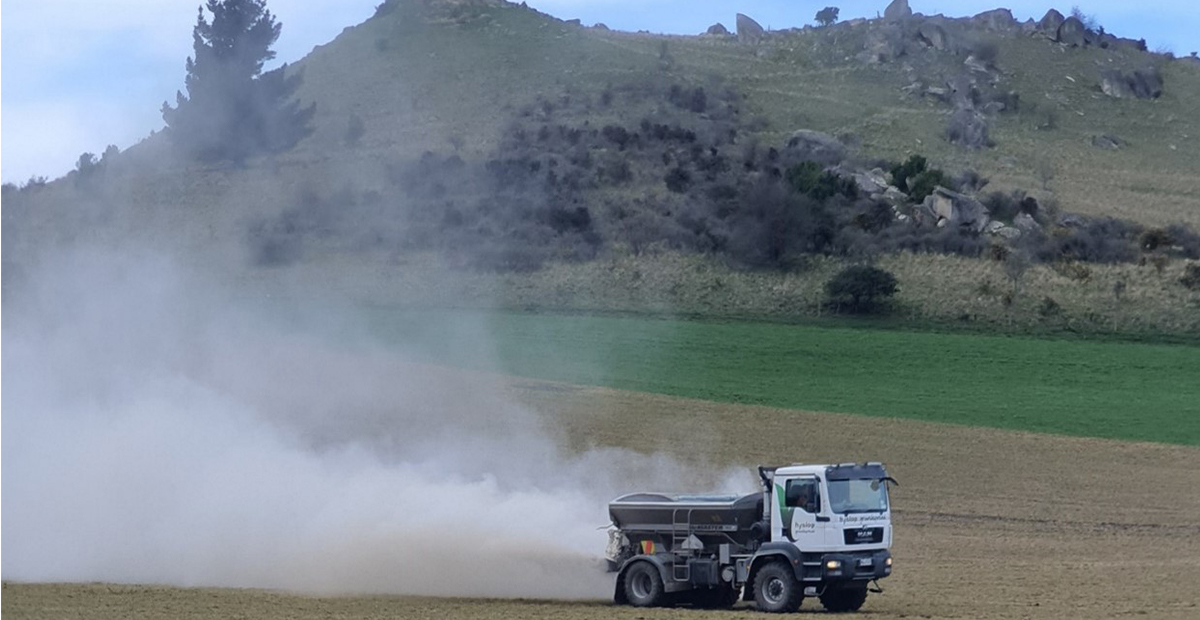
How Can We Help?

Rosalie Hyslop Kellogg report image

Executive summary

This report sought to understand how the groundspread industry can support the New Zealand food and fibre sector during a period of increased regulation and reform.
In trying to understand how the groundspread industry could help, it was necessary first to establish the following:

  • How imposed regulatory change impacts the food and fibre sector.
  • What the groundspread industry is currently doing well (and should keep doing).
  • What areas the groundspread industry could improve to support the sector.
  • Why the New Zealand food and fibre sector requires trusted partners to support them in meeting
    their challenges.

Ki te kāpuia e kore e whati.
We succeed together.

Key Findings

This report identified key challenges for the food and fibre sector that the groundspread industry needs to be aware of:

  • Increased production (economic activity) has negatively impacted on the natural environment (Cassells & Meister, 2001).
  • Environmental policy attempts to reduce these negative impacts (Cassells & Meister, 2001) (Pannell & Rogers, 2022).
  • The emotional response to policy change and the five stages of grief experienced during periods of imposed change (Friedrich & Wustenhagen, 2017).
  • Trust is critical for supporting the food and fibre sector through change (Savage, et al., 2018).
  • Rural New Zealand require trusted partners to support them.
  • The groundspread industry shares concerns with the food and fibre sector (rapidly increasing costs and sustainability issues/compliance) and should seek solutions to help them mitigate these concerns.
  • The groundspread industry supports their rural clients well but must ensure that this support is more consistent on every farm where Groundspread NZ members undertake nutrient placement.
  • The groundspread industry should share its part of the paddock-to-plate journey by increasing marketing and education about the efficient and accurate work they undertake in applying nutrients.

Furthermore, change generates an emotional response, and each individual or organisation will progress through the stages of grief towards acceptance of imposed change at varied pace (Friedrich & Wustenhagen, 2017). While navigating this change process, members of the food and fibre sector require varying support dependent on their stage in the grief cycle as it applies to sustainability policy changes:

  • Information and communication are important for people during the denial and anger stages of grief.
  • Emotional support is required for people who are transitioning into the bargaining phase of the grief cycle.
  • Guidance and direction are critical for supporting people as they move through the depressive and acceptance stages of grief as it applies to sustainability policy changes.

Recommendations

The recommendations included in this report aim to increase awareness of the professionalism of the groundspread industry. Groundspread NZ members can support the primary sector through increased engagement and by better sharing their skilled and essential role in New Zealand’s food and fibre production in the following ways:

Implement Educational initiatives

  • Ensure all groundspread operators, and their clients, are aware of the latest in-truck technologies, such as tracking/mapping technologies.
  • Ensure that all groundspread operators, and the rural sector, understand the benefits of the Spreadmark scheme.

Develop a Marketing strategy

  • Develop a marketing strategy to share the precision work undertaken by the groundspread industry.
  • Promotion of an efficient groundspread industry to policymakers, farmers, and urban New Zealanders.

Build meaningful Partnerships

  • Create meaningful relationships with companies developing technology for the industry to ensure they will fulfil the needs of the food and fibre sector.
  • Establish meaningful relationships with policymakers to increase awareness of the precision work undertaken by the groundspread industry on behalf of their rural clients.
  • Continue meaningful relationships with fertiliser manufacturers/suppliers to ensure that developed products can be applied as intended.

The research methodology included an extensive literature review focused on the converging importance of economic growth and environmental harm reduction. Data was collected through two focus groups of Groundspread NZ Association members: nine for the first focus group and 27 in the second focus group. An online survey of the New Zealand rural community was also conducted; 22 responses were collected.

The data was then analysed using the transcript-based method prescribed by Krueger & Casey (2002). Subsequently, data was grouped for thematic analysis using Braun & Clarke’s (2006) method and has highlighted many things that are being done well by the groundspread industry, but also that few people know about them. Increased engagement is at the heart of better supporting New Zealand’s food and fibre sector.

Capturing value on-farm.

Megan Fitzgerald Kellogg Research Report

Executive summary

More consumers are seeking food products that have credence attributes, such as improved animal welfare outcomes, lower environmental impact, and positive social impacts. Credence attributes cannot be seen or tasted, consumers only know they are being met by information being passed from producer, through the supply chain to them.

Commodity supply chains struggle to pass on accurate, complex information, leaving consumers who are seeking these attributes looking to buy their food through other outlets. Savarese et al., (2020) identified a real opportunity for New Zealand farmers if they are able to connect to these market segments. This research identifies the key requirements a family farm must have to successfully establish and maintain a short value chain.

Coinciding with the growing consumer market, is a risker macro-economic environment where farmers are subjected to tighter margins on commodity markets. Short value chains present opportunities to diversify risk through accessing alternative markets, equity growth without a dependence on acquiring more land, and a way to include more family members in the family farming business.


This research uses semi structured interviews to collect information from family farm businesses who are selling food products directly to consumers. A thematic analysis is carried out to identify the key requirements to consider when establishing a short value chain.

Establishing and sustaining a short value chain is a cyclic process that needs constant realignment between the resources the farm business has and the demands of the customer segment. Farm businesses must have the desire to connect to consumers and the ability to identify opportunities that allow them to connect with consumers in a cost-efficient way.

Success relies on mobilising the businesses resources and establishing a production system that creates a constant supply of quality product. Finally, the business must continually seek opportunities to realign with changing consumer demands and maintain their competitive advantage – which comes back to identifying opportunities.

The defining characteristics of family farm businesses who participate in short value chains is their ability to create and sustain consumer trust. This trust results in consumers who are willing to pay more for their product.

From the analysis of successful short value chains in New Zealand there are a number of recommendations for family farm business wishing to establish and participate in a short value chain.

The key recommendations are to 

  1. establish your family values and align these to customer segments to decrease costs associated with mobilising resources,

  2. spend time creating a production system that produces consistent, quality products that your consumer wants,

  3. connect with your consumers, provide transparency on product details through face-to-face and more permanent marketing such as websites, social media, etc., and

  4. constantly seek feedback and opportunities to better meet your consumer’s needs.