2026 Nuffield NZ Farming Scholarship. Apply by 17 August 2025. Read More...

Apply for 2026 Nuffield NZ Farming Scholarship by 17 August 2025. More details...

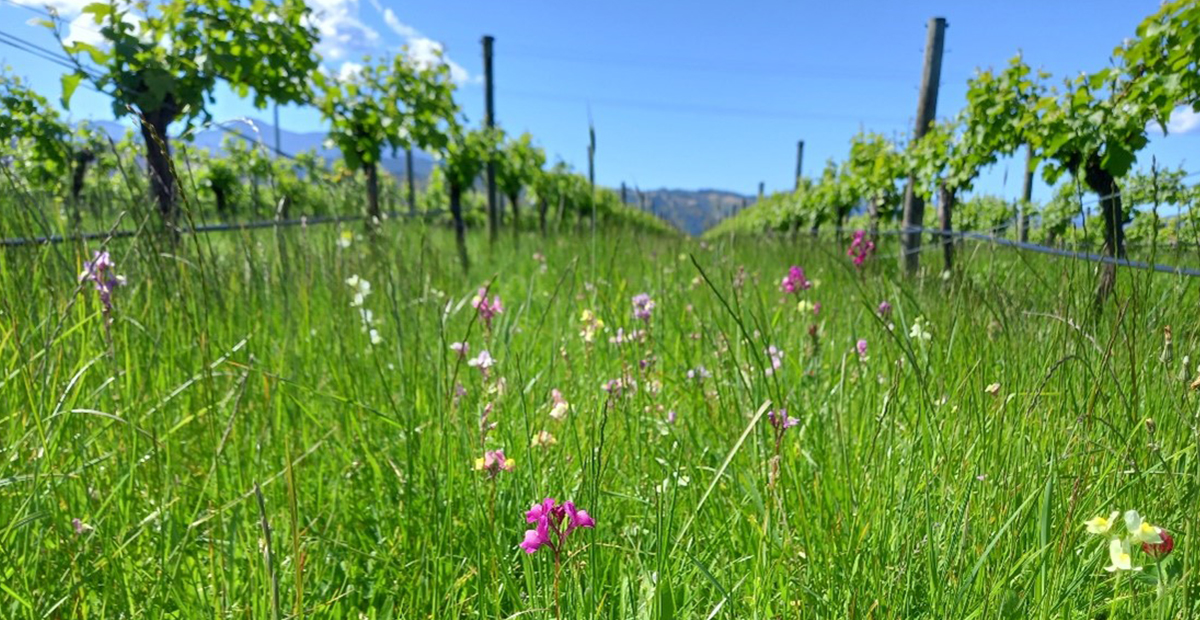
Regenerative Viticulture – the Answer to a Future-proofed New Zealand Wine Industry?

Jessica Wilson Kellogg report image

Executive summary

There is ever increasing pressure for food and fibre industries to be producing in a sustainable manner. Winegrowers are producing a ‘luxury’ item in comparison to food producers. Due to this the decisions and actions of the NZ wine industry need to protect the landscape in which they operate as well as their social licence to operate.

This report investigates the current status of sustainable winegrowing in New Zealand and establish whether regenerative viticulture is the answer to a future-proofed industry. The objectives of this study were to:

  • Review sustainable wine production in New Zealand and outline its goals and aspirations.
  • Determine what regenerative viticulture (RV) means.
  • Determine if regenerative viticulture aligns with Sustainable Winegrowing New Zealand’s (SWNZ) goals to future-proof the industry.
  • Investigate whether regenerative viticulture addresses significant issues such as climate change.
  • Determine the role, if any, regenerative viticulture may have in the NZ Wine industry.
  • Propose a plan of action for the NZ wine industry.


To carry this out a literature review of sustainability and regenerative agriculture/viticulture was completed followed by eight semi-structured interviews with members of the wine industry. A digital survey was also created with 51 participants from the New Zealand wine industry. The interviews were analysed using thematic analysis and the survey was analysed using graphing on Microsoft Excel.

The New Zealand wine industry is a world leader in sustainability and is faced with environmental issues like other primary industries in the Food and Fibre sector (Dodds, Graci, Ko, & Walker, 2013; Mariani & Vastola, 2015). Future-proofing the industry was important to participants and there was support for further learning and improvement.

Analysis showed that SWNZ and the focus area goals which make up the framework for the programme, were generally viewed positively and respondents saw SWNZ as playing a role in future-proofing the industry. Regenerative agriculture was not well understood, however there was still considerable support for this farming system. RV was also considered part of the future resilience of the industry. SWNZ and RV were perceived as complimentary concepts though neither provides members a complete solution.

Some recommended steps that could be adopted by New Zealand Winegrowers are:

  • Provide New Zealand winegrowers with resources on regenerative viticulture.
  • Formation of a specialised regenerative viticulture group.
  • Provide New Zealand winegrowers with NZ case studies highlighting vineyards that are going above and beyond.
Keeping our farmers passionate in challenging times.

Hamish Murray Kellogg report image

Executive summary

A significant component of New Zealand’s sheep, beef and dairy farms involves the
production of winter forage crops. This ensures high yielding crops are available throughout the winter months when there is very little grass growth for continued rotational grazing.

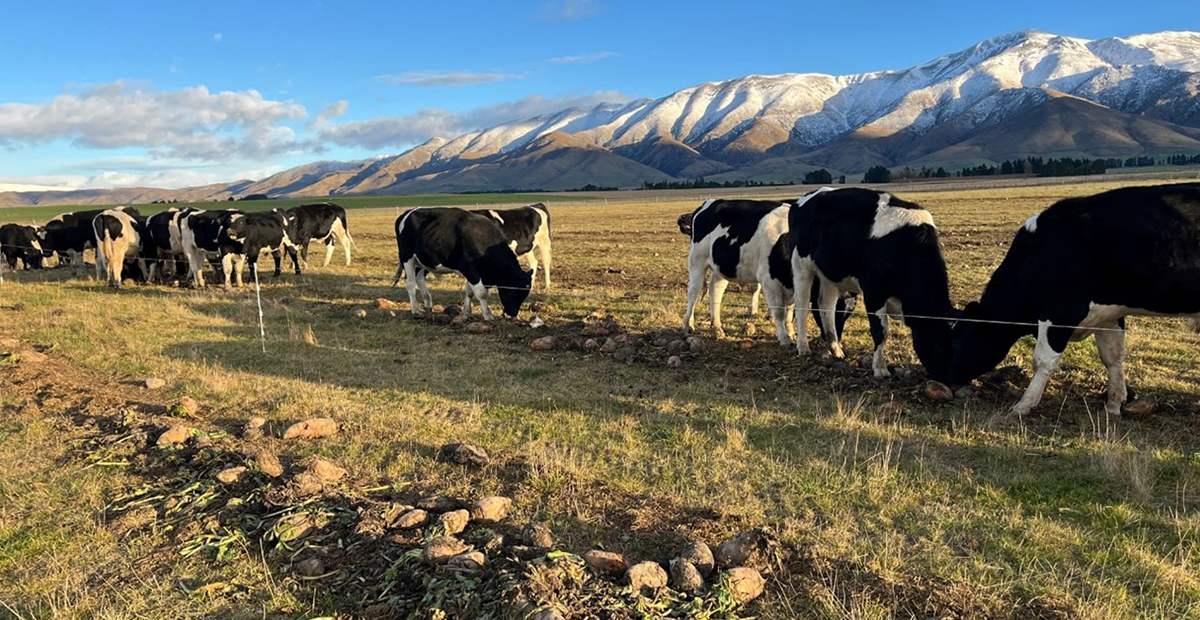
Pasture swards are left to rejuvenate through the winter months ready for spring. New Zealand farmers pride themselves on being custodians of the land and recognise the importance of continually enhancing our environment with sustainable practices. Within the multiple agricultural sectors, New Zealand produces some of the highest quality food and fibre for the global market whilst satisfying regulatory requirements set by our government.

Farmers over the last five years have adopted new practices to better mitigate the on farm environmental impacts regarding intensive winter grazing (IWG).

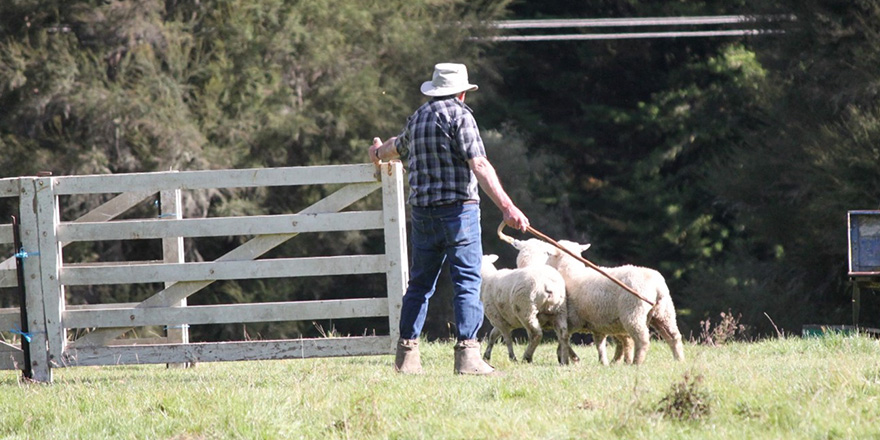
The target for this report is to answer the research question; how do we keep farmers passionate about farming when they are up against immense amounts of  environmental policy change from our current government but more specifically, intensive winter grazing.

The report identifies key areas to help farmers with their frustrations on the ever-changing IWG policies. These key findings will provide an insight to answering my report question.

Methodology

A Literature review was undertaken to further understand the research topic. Semi structured interviews were conducted with a generational perspective to better understand the outlook amongst the generations.

Key Findings

The research undertaken included a comprehensive overview of the mixed perspectives and mindsets throughout four generation cohorts focused on IWG questions. It is important to highlight the use of generational perspectives when evaluating the current research topic. Although there are many trends from the interview answers, the majority of the IWG policy and regulation will affect the younger generations the most.

Government and industry bodies need to have collaborative approach between industry bodies and farmers to get the best outcome when writing policy. This needs to be with a generational perspective but more specifically, the younger generation in the primary sector. They need to be encouraged to step forward and take leadership roles so that their voice can be heard to help shape the future of our IWG policy and regulations.

From the survey answers, themes were generated using a thematic analysis. These themes are broken down into several subthemes that reflect the underlying topic.

  • Collaboration
  • Education
  • Simplicity
  • People

Recommendations

The following suggestions have been made as a result of the conclusions drawn from this report.

Develop closer collaboration

Farmers understand there needs to be sensible regulation in place around IWG to secure a world class environment for future generations to enjoy. There needs to be further collaboration within sectors and from the government to work with more with our industry bodies.

Plan Long Term

The use of strategic long-term planning towards writing IWG policies can only be seen as beneficial for the agricultural industry. By allowing it to be proactive in its development towards attainable regulation.

Provide Education

Provide beneficial and cost-effective support for farmers around new policy.

Maintain pragmatic approach

Farmers from all sectors need to be more involved and utilised for their extensive knowledge around a pragmatic approach to writing policy. I believe working with the farmers from the ground up when writing policy would deliver a better outcome.

Incentivise Farmers

Due to consumer demand for more robust guarantees of food safety and quality in developed nations, market forces have propelled the development of numerous policies and good management practises (GMPs). Putting incentives in place for farmers to adopt GMPs is relevant to keep farmers passionate and engaged in relation towards regulation.

Voice of the younger generation

Our industry bodies and policy makers need the leaders of tomorrow to be around that table when forming policy ideas. Creating a ‘youth voice’ for the agricultural industry is something that shouldn’t be underestimated.

How does Tracing a New Zealand Mid-Micron Wool Clip Impact a Grower’s Farming System?

Christie Burn Kellogg report

Executive summary

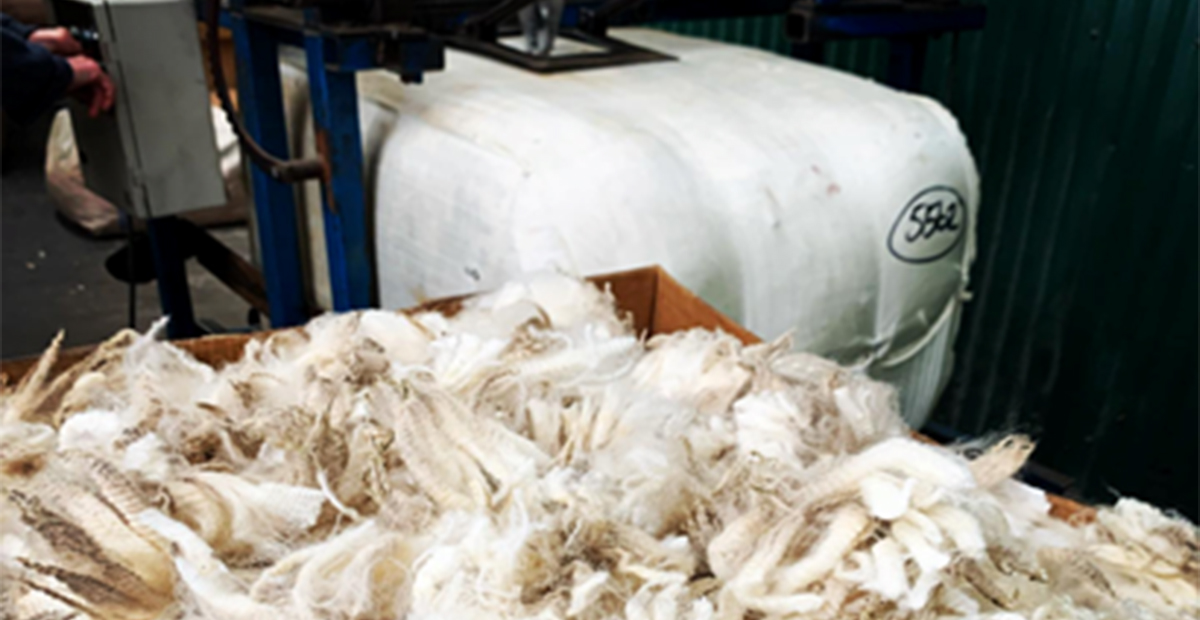
The New Zealand mid-micron wool industry traditionally was a major contributor to the economy. Today, the wool cheque often does not cover the shearing costs. Therefore, most growers are implementing this mainstream income as a yearly farming expense.

With rising competition for cheaper apparel of plastics and synthetics, wool products have become targeted apparel for higher-end users due to price. With all this, it is putting pressure on the New Zealand wool industry, especially mid-micron, and strong wool growers.

The aim of this project is to understand the entire supply chain of mid-micron wool, and how growers adapt their business to suit this chain. The research seeks to establish if there is a premium for a traceable wool clip, and who in the chain absorbs the benefit if there is one.

Having a passion for wool, a byproduct, which is continuously decreasing in value, it seems appropriate to dissect the supply chain and understand it from a grower’s perspective and the impacts on their farming systems (positive and negative).

The literature review focuses on three main points consumer preference, supply chains, and value chains. Consumers are becoming more aware of prices, what products are made of, and where they come from. This is where the demand for traceability comes into place. The supply chain is complex and hard to trace which makes it difficult to give value back to growers.

Icebreaker is used as a case study to provide an example of a supply chain that is creating value for its farmers by meeting consumers’ demands. Interviewing industry leaders across the supply chain provided perceptions of each stage and their thoughts on the wool industry.

The recommendations aim to support farmers capture value from their mid-micron wool through tracing and adapting farm systems.

  1. Educate, educate, educate! Educating every stage of the supply chain will benefit by adding value back to growers.

  2. Educating consumers on mid-micron woollen products through wool in schools’ containers (Campaign for Wool), and marketing through social media and television.

  3. Farmers move out of their comfort zone by embracing technology and meeting consumer demands.

  4. Capturing the value and distributing it back to growers through meeting consumer demand.


Research from the inside out.

Cameron Craigie Kellogg report image

Executive summary

The pathway to impact for research outputs is often ambiguous. Commercialisation of research outputs is the exception to the norm in a system incentivising public research institutes to produce academic outputs primarily.

Despite this, there is a thriving commercialisation community in New Zealand, who are passionate about seeing research through to impacts. Members of this community include entrepreneurial researchers, aspiring founders, technology transfer offices in public institutions, KiwiNet, investors and those that have been there and done that and are keen to give something back.

The aim of this report is to create a resource to inform and inspire entrepreneurial researchers interested in commercialisation and aspiring founders of investigatorled research to give it a go. This report addresses two research questions:

  1. How does an aspiring founder navigate their way to becoming a founder?
  2. How can the chances of successful commercialisation be increased?

The methodology comprises a literature review to provide some theoretical basis for thematic analysis and interpretation of fourteen anonymous semi structured interviews of four founders, three aspiring founders, (entrepreneurial scientists actively seeking commercialisation of their research in 2022), three technology
transfer managers representing organisational perspectives and four investor perspectives. Responses were categorised into the following highlevel themes:

  • Why: Motivation with dimensions of Culture and Engagement.
  • How: Execution with dimensions of Focus, Confidence and Success.
  • What: Problem definition/Relevance and Key messages.

Critical analysis of these themes considering the literature yielded two highlevel discussion areas: the importance of contextual awareness and relationships. As well as focusing on the technology development, aspiring founders, entrepreneurial researchers, and research organisations must prioritise understanding the context and developing relationships.

Recommendations for entrepreneurial researchers and aspiring founders:

  1. Engage early with Technology Transfer office and undertake due diligence before designing the research to ensure more targeted use of resources.

  2. Be relevant. Strive to be more aware of the operating context and drivers for the research organisation and the potential end users of your research outputs.

  3. Work on your ability to communicate and work with a multi or trans-disciplinary team.

  4. Get a business mentor to help you focus on what is most important and why
    from both the demand and supply perspectives.


How Can We Help?

Rosalie Hyslop Kellogg report image

Executive summary

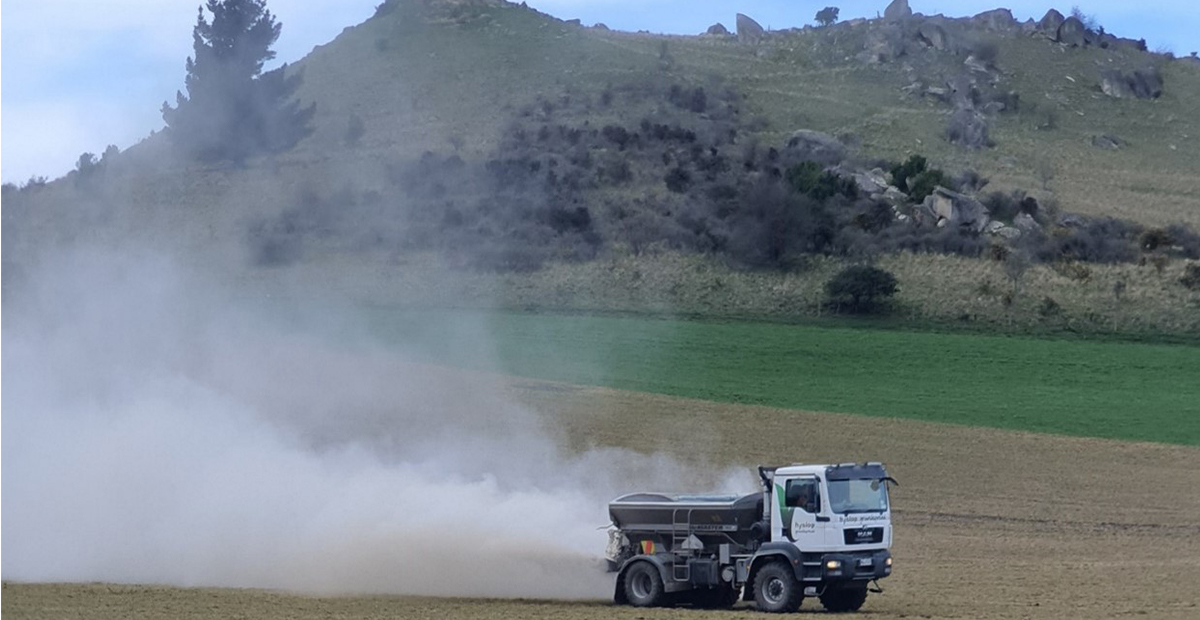
This report sought to understand how the groundspread industry can support the New Zealand food and fibre sector during a period of increased regulation and reform.
In trying to understand how the groundspread industry could help, it was necessary first to establish the following:

  • How imposed regulatory change impacts the food and fibre sector.
  • What the groundspread industry is currently doing well (and should keep doing).
  • What areas the groundspread industry could improve to support the sector.
  • Why the New Zealand food and fibre sector requires trusted partners to support them in meeting
    their challenges.

Ki te kāpuia e kore e whati.
We succeed together.

Key Findings

This report identified key challenges for the food and fibre sector that the groundspread industry needs to be aware of:

  • Increased production (economic activity) has negatively impacted on the natural environment (Cassells & Meister, 2001).
  • Environmental policy attempts to reduce these negative impacts (Cassells & Meister, 2001) (Pannell & Rogers, 2022).
  • The emotional response to policy change and the five stages of grief experienced during periods of imposed change (Friedrich & Wustenhagen, 2017).
  • Trust is critical for supporting the food and fibre sector through change (Savage, et al., 2018).
  • Rural New Zealand require trusted partners to support them.
  • The groundspread industry shares concerns with the food and fibre sector (rapidly increasing costs and sustainability issues/compliance) and should seek solutions to help them mitigate these concerns.
  • The groundspread industry supports their rural clients well but must ensure that this support is more consistent on every farm where Groundspread NZ members undertake nutrient placement.
  • The groundspread industry should share its part of the paddock-to-plate journey by increasing marketing and education about the efficient and accurate work they undertake in applying nutrients.

Furthermore, change generates an emotional response, and each individual or organisation will progress through the stages of grief towards acceptance of imposed change at varied pace (Friedrich & Wustenhagen, 2017). While navigating this change process, members of the food and fibre sector require varying support dependent on their stage in the grief cycle as it applies to sustainability policy changes:

  • Information and communication are important for people during the denial and anger stages of grief.
  • Emotional support is required for people who are transitioning into the bargaining phase of the grief cycle.
  • Guidance and direction are critical for supporting people as they move through the depressive and acceptance stages of grief as it applies to sustainability policy changes.

Recommendations

The recommendations included in this report aim to increase awareness of the professionalism of the groundspread industry. Groundspread NZ members can support the primary sector through increased engagement and by better sharing their skilled and essential role in New Zealand’s food and fibre production in the following ways:

Implement Educational initiatives

  • Ensure all groundspread operators, and their clients, are aware of the latest in-truck technologies, such as tracking/mapping technologies.
  • Ensure that all groundspread operators, and the rural sector, understand the benefits of the Spreadmark scheme.

Develop a Marketing strategy

  • Develop a marketing strategy to share the precision work undertaken by the groundspread industry.
  • Promotion of an efficient groundspread industry to policymakers, farmers, and urban New Zealanders.

Build meaningful Partnerships

  • Create meaningful relationships with companies developing technology for the industry to ensure they will fulfil the needs of the food and fibre sector.
  • Establish meaningful relationships with policymakers to increase awareness of the precision work undertaken by the groundspread industry on behalf of their rural clients.
  • Continue meaningful relationships with fertiliser manufacturers/suppliers to ensure that developed products can be applied as intended.

The research methodology included an extensive literature review focused on the converging importance of economic growth and environmental harm reduction. Data was collected through two focus groups of Groundspread NZ Association members: nine for the first focus group and 27 in the second focus group. An online survey of the New Zealand rural community was also conducted; 22 responses were collected.

The data was then analysed using the transcript-based method prescribed by Krueger & Casey (2002). Subsequently, data was grouped for thematic analysis using Braun & Clarke’s (2006) method and has highlighted many things that are being done well by the groundspread industry, but also that few people know about them. Increased engagement is at the heart of better supporting New Zealand’s food and fibre sector.

Opportunities to improve efficiency in the fresh produce supply chain.

Marcus Tietjen Kellogg report

Executive summary

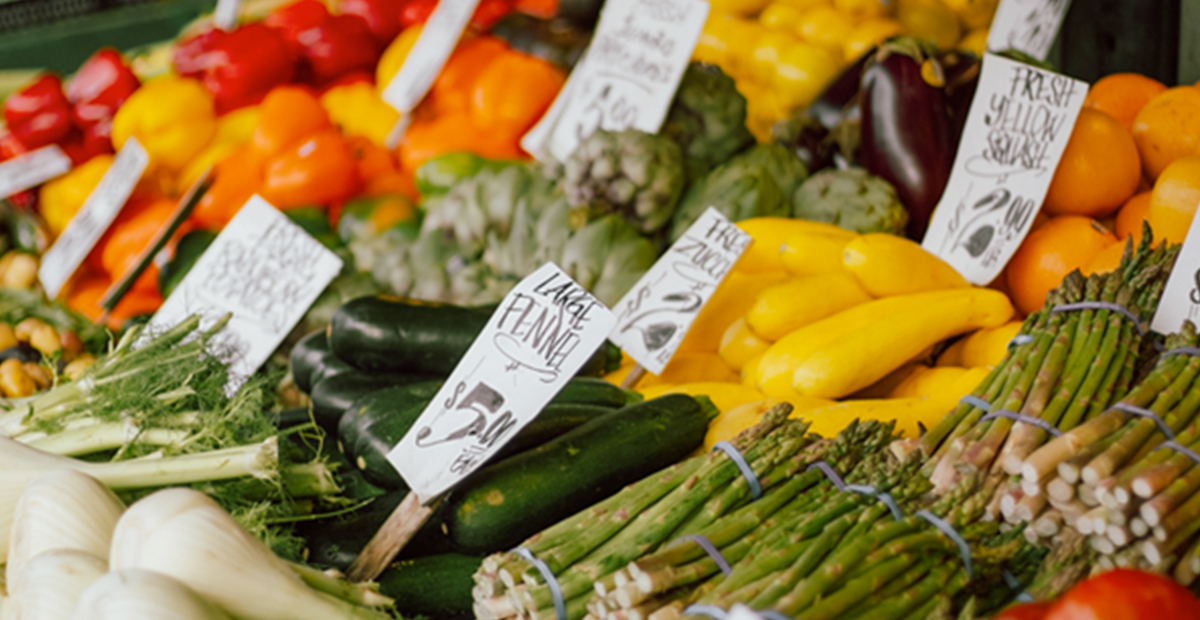
The fresh produce sector in New Zealand produces some of the world’s greatest fruit and vegetables. There is a complex all-encompassing machine that connects the farms these products are grown on to the final consumer. This machine is the Fresh Produce Supply Chain (FPSC).

New Zealanders enjoy an excellent range of fresh fruit and vegetables that can be purchased through a variety of sales channels. The most dominant and effective channel is through supermarkets which have access to supply via fresh produce marketers and growers directly. These suppliers provide
fresh produce of good quality, at scale consistently and at a reasonable price throughout the year to meet the tastes and preferences of consumers.

This project has been completed to further understand the FPSC and seek efficiencies that can be made that reduce volatility in supply, reduce food waste and reduce the margin between what the consumer pays, and grower receives.

We aim to answer three key questions being: what are the challenges for the current fresh produce supply chain from the farm gate in New Zealand? What technology and supply chains exist today outside of fresh produce? And does a different, more efficient system fit in today’s fresh produce supply chain and would this be accepted by industry stakeholders?

The key findings were growers in NZ are aligning themselves with retailers and marketers in partnership style relationships. Growers with smaller scale struggle to compete in fragmented industries where information is less available and less direct from the consumer.

Over time there has been a shift in the paradigm from growing for the market floor auctions, to growing for consumer demand based on high information sharing from retailers and marketers. This has resulted in a more deliberate crop rotation and sustainable growing system, reducing wasted product and improving price stability.

Technology in FPSC has huge potential however supply chain participants are cautious and considerate on technology they invest in. Blockchain technology can support efficiencies by reducing reliance on trust on intermediaries. The internet of things can provide an interface between supply chain practice and software systems. This can log important information which can give retailers and consumers confidence in quality of product and appropriate handling.

Consolidation of fragmented industries will support greater efficiencies as grower scale increases and vertically integrate to control more downstream practices. We also see intermediaries investing in upstream practices such as farms and greenhouses.

Recommendations are summarised as follows:

  • Encourage vertical integration where supply chains are owned or controlled between grower and retailer. For growers that have the scale and access to capital they should build partnerships with retail entities and invest in infrastructure to reduce reliance on other supply chain participants.

  • Cooperate within sector to vertically integrate if scale is not achievable. This can be done by the establishment of regional cooperative organisations to allow smaller scale growers to pool resources, invest in infrastructure and supply direct to retailers.

  • Increase communication between FPSC participants with accurate data in fragmented product categories to share accurate crop details.

  • Drive increased consumer awareness of imported vs local produce with signage andbranding that clearly differentiates products.

  • Encourage investment in internet of things and Blockchain technology for import product to reduce volume of poor-quality import product brought to NZ consumers.

Owhaoko B&D land block.

Suzanne Hepi Kellogg report image

Executive summary

Māori land plays a critical part of Aotearoa and its history. Understanding the dynamics of Māori land ownership and the role they play to ensure their whenua is taking care of, is not as straight forward as people assume.

Māori landlocked land has influenced a change in the Te Ture Whenua Māori Act to lessen multiple barriers for Māori. This research has been conducted through a kaupapa Māori approach, for Māori by Māori.

This case study is concerned with understanding the land block, its isolated location, the barriers of access and how the trust can initiate a sustainable involvement for the owners. The report is based on semi structured interviews and analysis of secondary data.

Purpose

The aim of this report is to discuss the landlock block Owhaoko B & D with trustees and beneficiary owners. Overall, I am gathering data to build an understanding of what is occurring on this land block, trust developments and what the future aspirations could potentially be.

Key Findings

The key findings of this report have been grouped into themes and are a general understanding of the narrative around the story of the land block. It is supported by quotations from interview participants and is raw information that they have voiced.

Recommendations

  • Data – Embark on further research of this land block and internships conducted by beneficiaries or owners of this whenua with support from the trust and tertiary institutions.

  • Transformation – develop and deliver environmental programmes to help educate whānau about the importance of being kaitiaki for the land.

  • Collaboration – form a partnership with a Māori tech and digital business that could showcase the land blocks history and whakapapa digitally, to owners of the land that cannot experience it first-hand.

  • Capability development – Provide opportunities for owners to participate in projects associated on the block such as seed banking, wild game monitoring etc.

  • Leadership – Government to help support a leadership programme that is delivered partially out of the land block, informing this cohort about the change in legislation and how the land can contribute to this.

  • New initiatives – Establish other incentives for owners wanting to visit the block such as high-end accommodation, events, or annual activities etc.

  • Mātauranga Māori – Produce or deliver a wānanga based on traditional Māori practices such as rongoa, identifying native trees, land use etc.

Happy and Healthy at Work.

Executive summary

Labour and its shortage remain a critical issue that needs addressing, with the growth of horticulture predicted, coupled with on-orchard automation look ing closer to 2030. With low unemployment in New Zealand, engaging the Recognised Seasonal Employer (RSE) workforce is vital to remaining successful as an industry.

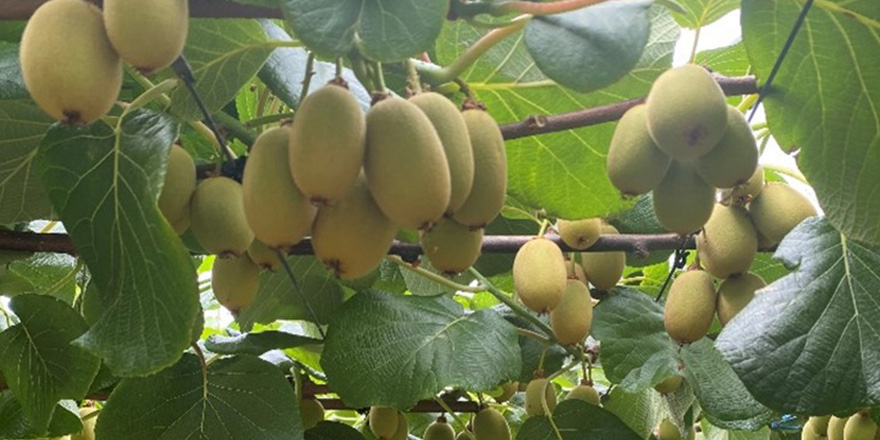
The purpose of this report is to understand and provide recommendations for the key attributes of a successful team within the seasonal RSE workforce, focusing on the kiwifruit industry. The methodology includes a literature review on the characteristics of a seasonal workforce and breaking down what a successful team looks like, followed by semi-structured interviews with ten orchard owners and pastoral care managers to gain insights from their experience with RSE teams. Themes were generated through thematic analysis to provide conclusions and recommendations.

Key findings

A family culture with a village mentality is key to the success of an RSE team and results in a team that is both happy and healthy at work. Team building and a homely living environment add to this. RSE employees’ purpose of making money to send home to their families, needs to be kept front of mind.

The RSE team needs to be well-formed with the right mix of skills, experience, and personalities with a clear and well-understood leadership structure. The team leader must be trusted and respected, creating productivity and success. Peer mentoring also adds to team success with team members supporting and encouraging one another.

The mindset of continuous improvement is essential to the success of the RSE team. Highly engaged RSE employees need development opportunities beyond their day-to-day tasks.

The relationship is symbiotic, with New Zealand employers needing to be willing to learn more about the values and culture of the Pacific Islands. All parties working together need to have a strong cultural understanding of similarities and differences, which improves team performance. Planning for continuity and succession is vital.

Recommendations

The following recommendations are made to orchardists looking to build a successful RSE team:

  • Develop a family culture, cultivating the village mentality. This is developed through having an inclusive living environment and creating a home away from home by their New Zealand employers.

  • Ensure all permanent employees have a good understanding of the similarities and differences of the Pacific Islander culture. This can be developed through developing a cultural training programme for all permanent staff.

  • Ensure RSE employees understand their purpose and motivation for being in New Zealand which is sending money home to their families. Checking in on this regularly to keep them reminded of their purpose is important to retain engagement.

  • Put in place an RSE team leader that is trusted and well-respected.
    • Create a culture of empowerment amongst the team to allow peer mentoring across team members.

  • Put in place regular team-building activities and be in regular communication with the RSE team.

  • The New Zealand employer needs to have a mindset of continuity and succession. The key to this is building a strong referral system.

  • Ensure RSE employees have access to development opportunities. The main provider of this is Vakameasina.

  • Be open to learning about the values and culture of the Pacific Islands.

Supporting older farmers to adapt to the rapidly changing food and fibre sector.

Executive summary

To this day New Zealand’s food and fibre sector continues to lead economic recovery through the Covid-19 response. This sector thrives on challenges and makes the most of opportunities to further develop.

With an increase in success, there is also an increase in challenges. Some of these challenges are supply chain disruptions, rising costs of fuel and fertiliser, workforce challenges, floods, drought, and the increase in new regulations.

This report aims to better understand how the food and fibre sector can better support older farmers. I aim to better understand the changes and challenges older farmers are currently facing.

To produce recommendations, this report will further research into adopting change, farmer mindset, reverse mentoring, learning preferences, key drivers, and challenges they face as older farmers.

Older farmers enjoy the farming lifestyle and make their systems work for them. As farmers age, they start to show less desire and ability to be as productive and innovative as they were at mid-age. They focus on looking after their health by adopting new smarter ways of working.

Older farmers are feeling frustrated and confused about the new policy that is being brought out with little consultation and feedback opportunities.

From my findings, there is a great opportunity to further educate older farmers through a reverse mentoring model. This system provides an opportunity for both older farmers and younger farmers to communicate through generations.

This system will increase the sharing of perspectives and skill sets. And it can also promote more innovative and act as a cost-effective professional development tool that capitalizes on building bridges between generations.

Recommendations:

  • Establish a reverse mentoring system where younger farmers help educate older farmers on the usage of technology or other methods on farm.
    This method will help to increase the level of communication between different generations to help increase the level of change.
    There is great potential for the food and fibre sector to adopt this method into businesses to create more success.

  • Industry support organisations should develop more one-on-one and small-group support workshops. These workshops need to be consistent, as education is never a once-off. Little to no charge for this workshop as older farmers rarely invest in their education. Learning methods should be targeted at the audience.

  • Encourage older farmers to participate in a community catchment group. This is a great chance for older farmers to share knowledge and learn from others. Community catchment groups are local, low cost and farmer led.

  • Close the gap between farmers and the government. Farmers need more trust from the government to implement change that is driven by the government. The government needs to be clearer about its intentions for policy and put more time and effort into the consultation process.
    I recommend that with the consultation process, there should be more time spent going out to farmers in their community.
    This will show more effort from the government and simply give the farmers the best opportunity to attend the consultation process and provide feedback.

  • Improve connectivity of cell phone coverage and faster internet for rural communities. Central government should provide more resources to help achieve this, as poor connectivity to this infrastructure is a barrier to farmers’ uptake of technology and change.

Farming Lessons from Te Ao Māori.

Executive summary

The aim of this report is to provide an understanding of te ao Māori (the Māori world view) and mātauranga Māori (Māori knowledge) in an agricultural context and to explore how some of the concepts within this area can be utilised in a way that benefits both individual farms and the wider industry.

The methodology used to do so includes a literature review on these two areas as well as the key trends and challenges in the agricultural industry.

This is followed by semi-structured interviews with four farming organisations implementing some or all of the concepts reviewed. The interviews explored their core drivers and aims and the benefits and challenges of in incorporating these concepts and practices. Thematic analysis of the responses from interviewees was utilised to assess the qualitative data.

Key Findings:

Utilisation of the “quadruple bottom line” approach (environmental stewardship, social responsibility, intergenerational wealth creation, and cultural revitalisation), taking an intergenerational perspective, Kaitiakitanga (stewardship) and the relationship between whakapapa (genealogy) and whenua (land) are key areas of te ao Māori and mātauranga Māori where great value for agriculture can be achieved.

These areas have particular importance and relevance when used as potential solutions for the key challenges and trends in Aotearoa’s agricultural sector. The most significant of these are agriculture’s environmental impact and the rise of the conscious consumer as well as export market volatility and uncertainty in the current global context.

Within an agricultural context there are numerous practices, knowledge, concepts, and approaches are present in mātauranga Māori and te ao Māori that have significant potential value. There is also a clear alignment as they are all focused on the natural world and society which are the fundamental components of both te ao Māori and agriculture.

The most commonly incorporated aspects of mātauranga Māori were the use of kaupapa (principles and ideas which act as a base or foundation for action) to guide decision making, embracing a wider view of success and a holistic view of farming practices and the importance placed on relationships and connections through whanaungatanga (relationship, kinship, sense of family connection).

Recommendations:

  • Have patience and persistence in understanding the perspectives of Mana Whenua at all levels and involve them in governance and decision-making processes to ensure the best long-term outcomes are achieved on a consistent basis for communities and the environment.

  • Creation of think tanks or collaborative projects focused on the agricultural sector with individuals from diverse backgrounds encouraging open thinking and interpretation of ideas.

  • Encourage the uptake of new and novel approaches within farming and agricultural businesses as well as experimentation and trialling both on-farm and within business models.

  • Cultivate a culture in agriculture of combined and cross-cultural thought processes where utilising western technological advancements within te ao Māori frameworks is celebrated and encouraged.

  • Facilitate the development of kaupapa for farming businesses utilising te ao Māori to embrace wider definitions of success.

  • Create a platform for meaningful and genuine engagement between iwi, hapū and industry to take a collaborative approach to the generation of solutions for the multitude of wicked problems facing both the agricultural industry and the communities it is present in.