Executive summary
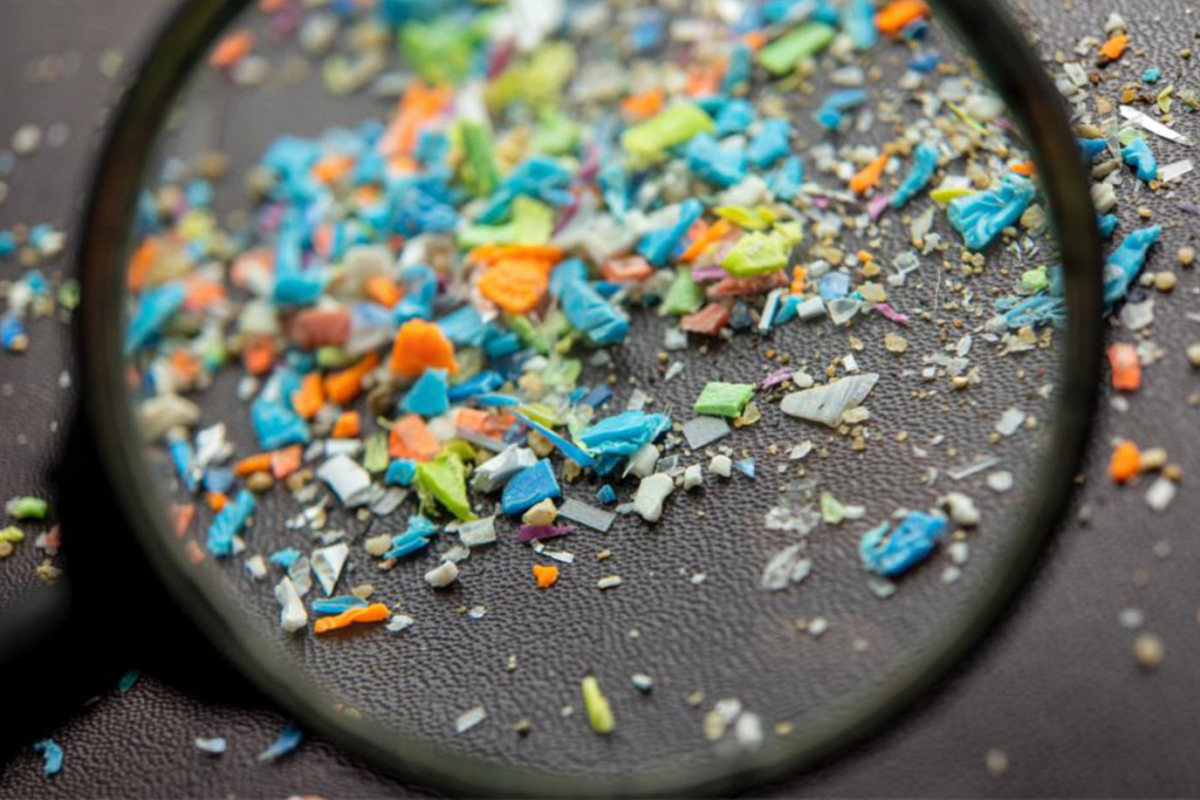
Microplastics, tiny fragments of plastic less than five millimetres in size, are now found in water, soil, air, and increasingly, in the food we eat. For a nation built on its “clean, green” reputation, the possibility that microplastics may be entering the dairy supply chain raises serious questions about food safety, community health, and market reputation.
This project investigates whether microplastics are present in New Zealand’s dairy sector and what actions are needed to respond. It combines a literature review with a community survey of 180 participants to explore both the scientific evidence and public perception of this emerging issue.
Global studies have detected microplastics in milk, cheese, and milk powders, with fragments traced to farm plastics, polymer coated fertilisers, processing equipment, and packaging. Yet there are no published studies measuring microplastics in New Zealand milk or dairy products. The absence of data does not mean the absence of risk; without local evidence, both industry and consumers are left uncertain.
Survey results showed that awareness of microplastics is high, but understanding of local impacts remains limited. Ninety five percent of respondents viewed microplastics as a health concern, and over eighty percent wanted more local research. Participants expressed frustration about packaging waste, confusion about recycling, and a strong desire for clearer information and leadership from both government and industry.
The goal is not to alarm but to inform and lead: to understand where microplastics may be entering the dairy supply chain, what this could mean for community wellbeing, and how the sector can act before international pressure demands it.
To protect public health and maintain consumer trust in New Zealand’s dairy exports, the report recommends:
- Building evidence: Establish national monitoring of microplastics in dairy soils, water, and milk products, supported by standardised testing and collaboration between government, science, and industry.
- Industry leadership: Integrate plastic reduction and stewardship targets within assurance programmes such as Synlait’s Lead with Pride and Fonterra’s Co-operative Difference.
- Policy reform: Strengthen and expand product stewardship regulations to cover all on farm plastics, including polymer coated fertilisers, and align national policy with emerging global standards on microplastic management.
- Education and communication: Provide clear, science based information to farmers and consumers to reduce confusion and greenwashing.
- Innovation and collaboration: Invest in research, circular economy models, and new materials that reduce plastic reliance and position New Zealand as a global leader in sustainable dairy production.
Protecting New Zealand’s dairy reputation will depend on strengthening evidence, fostering innovation, and leading with transparency and collaboration.
Nicky Halley