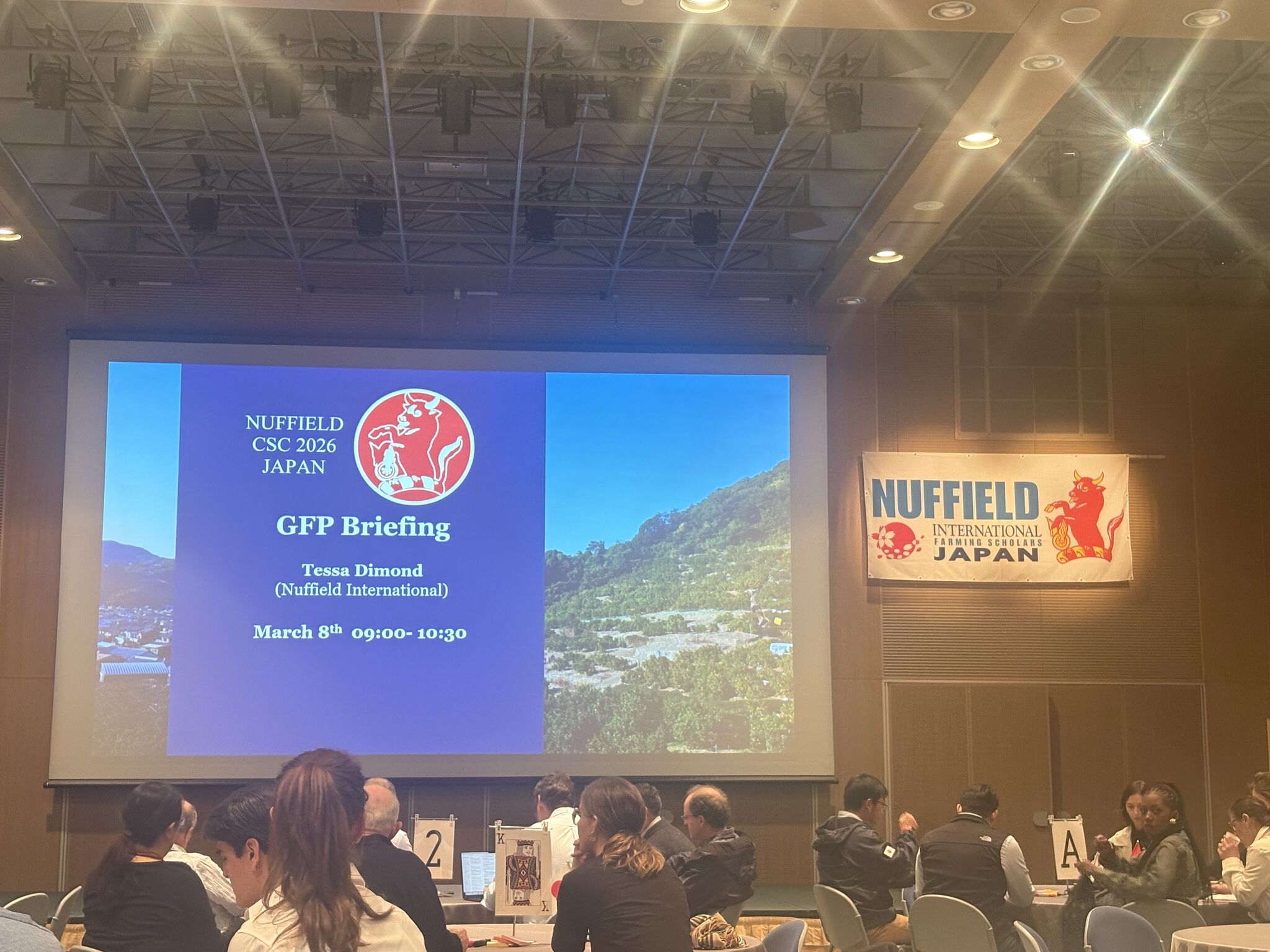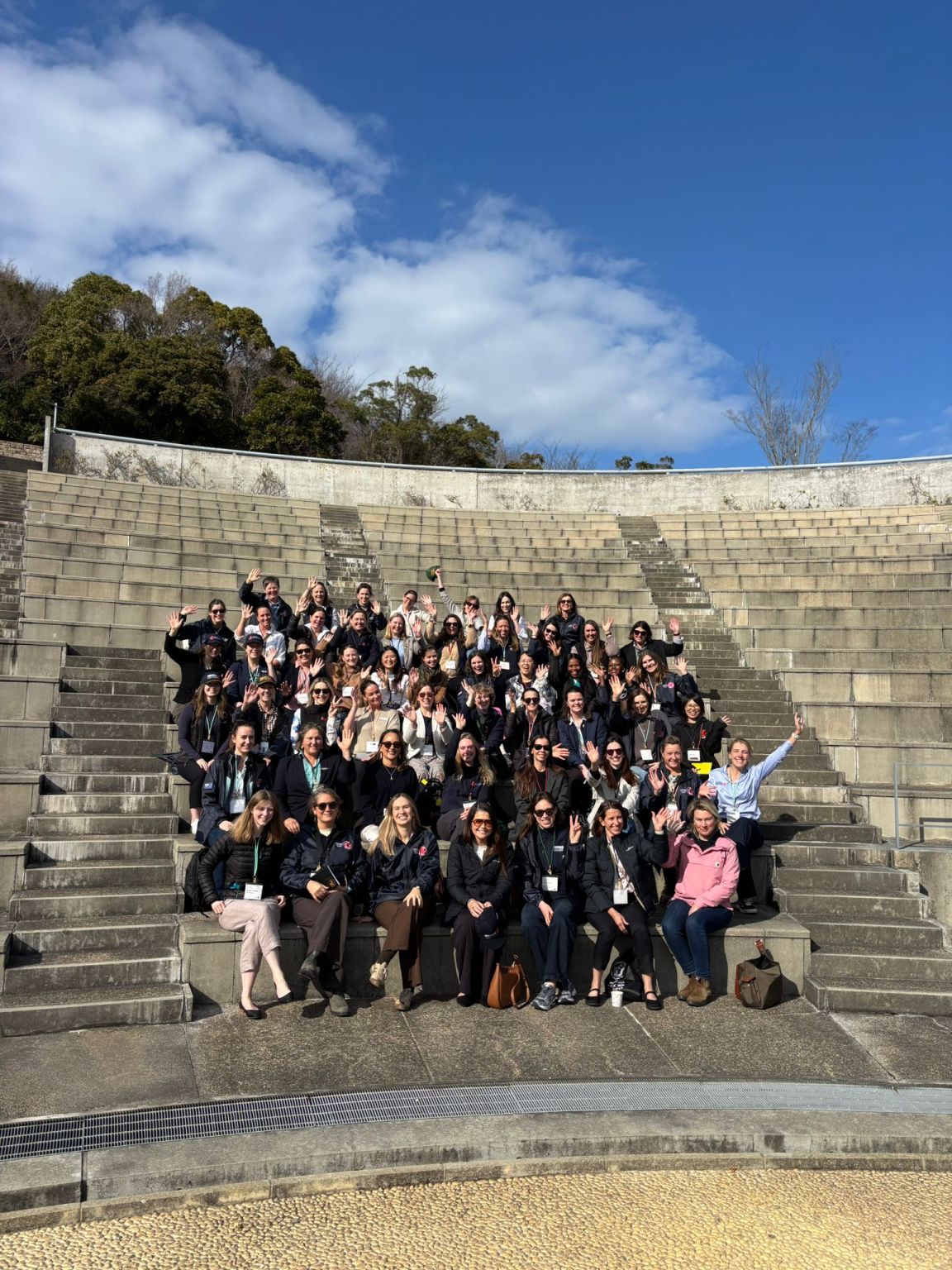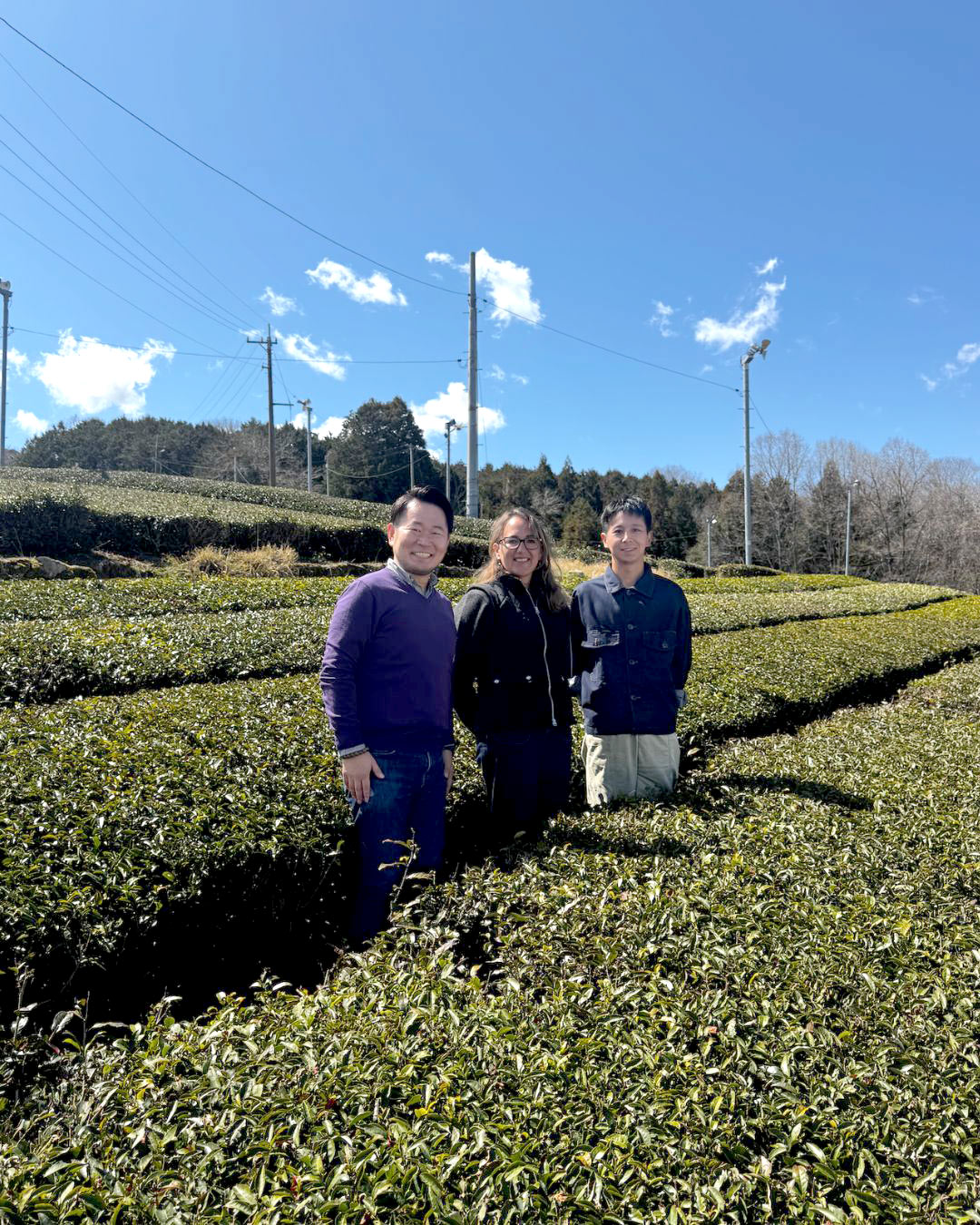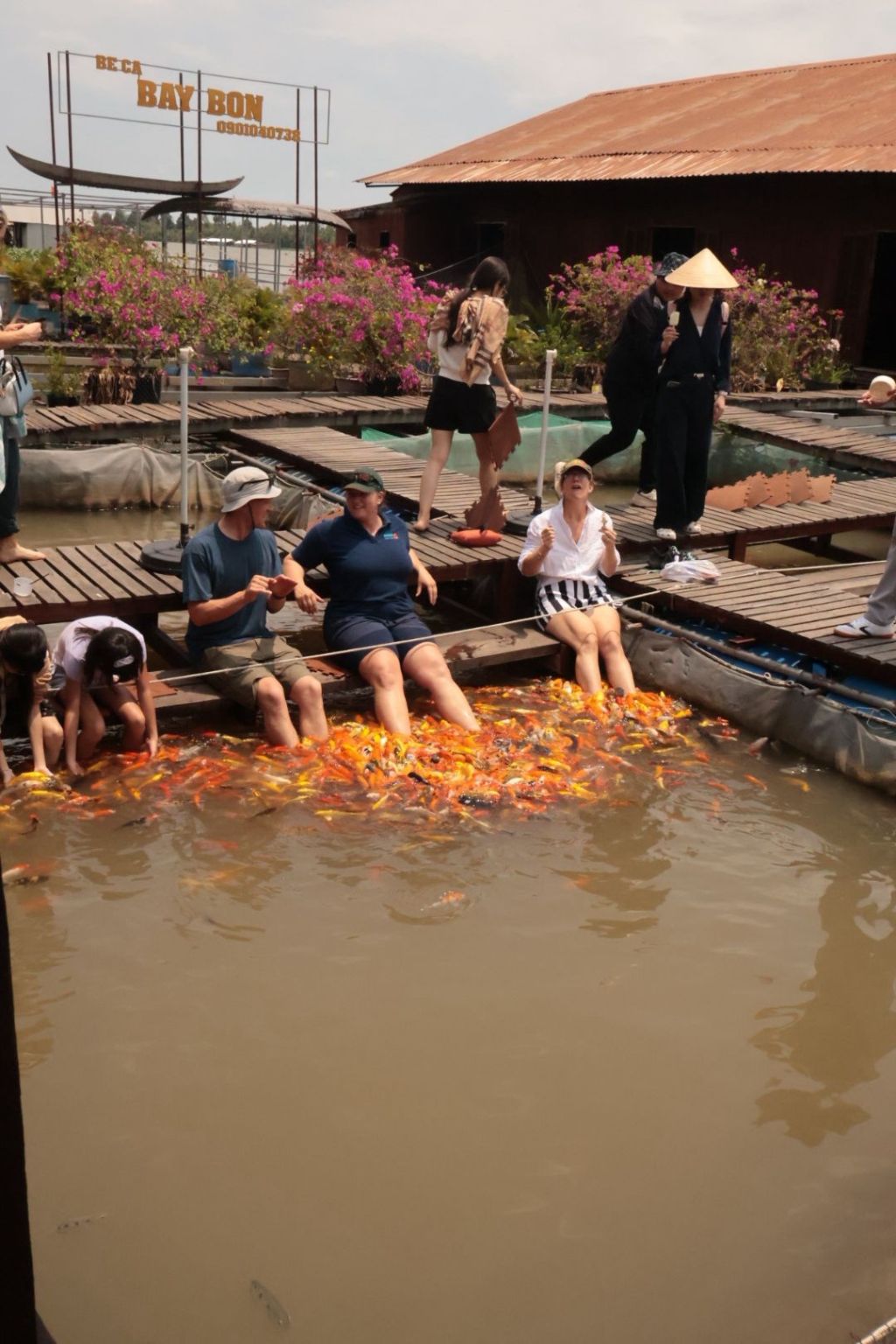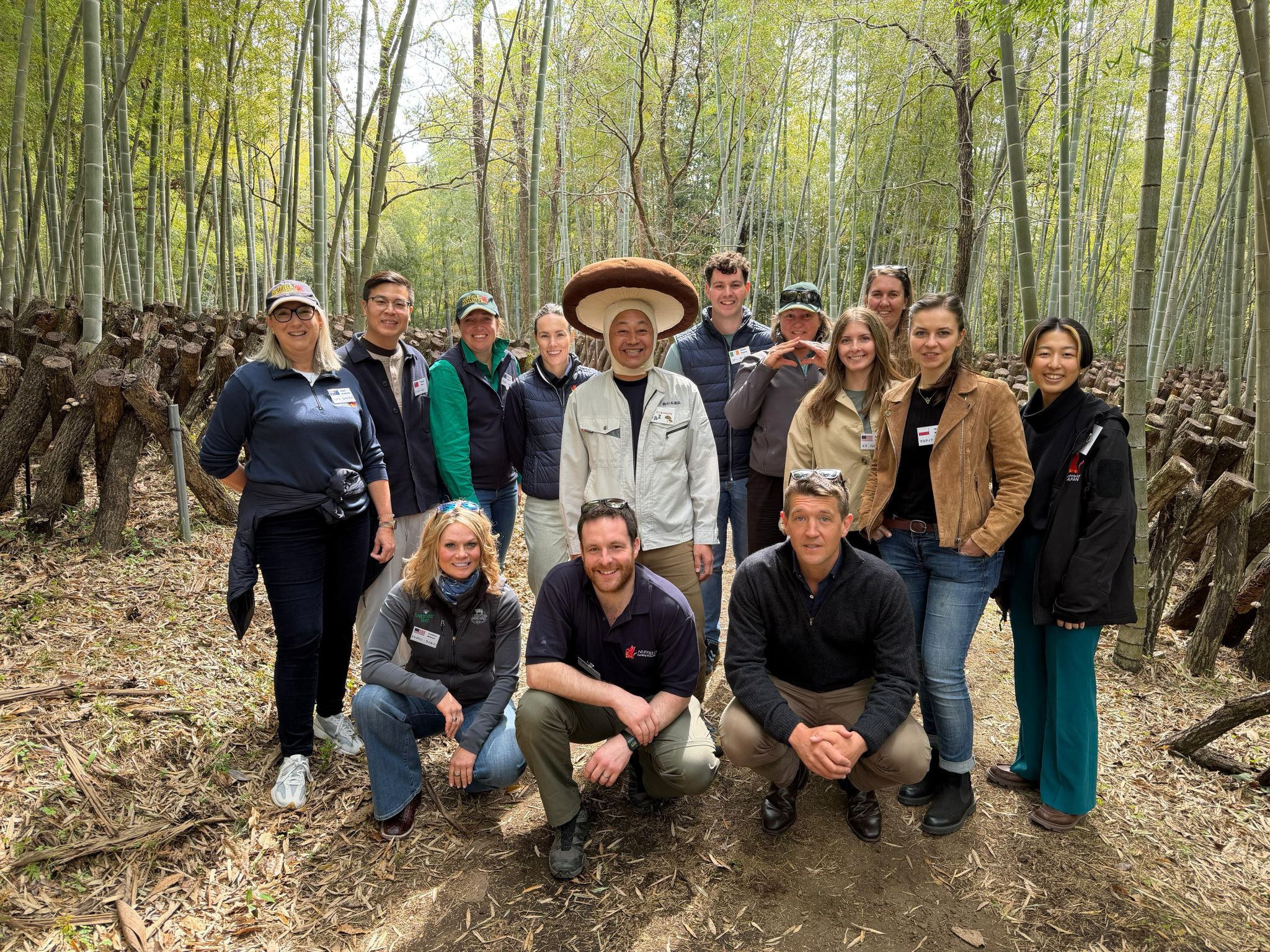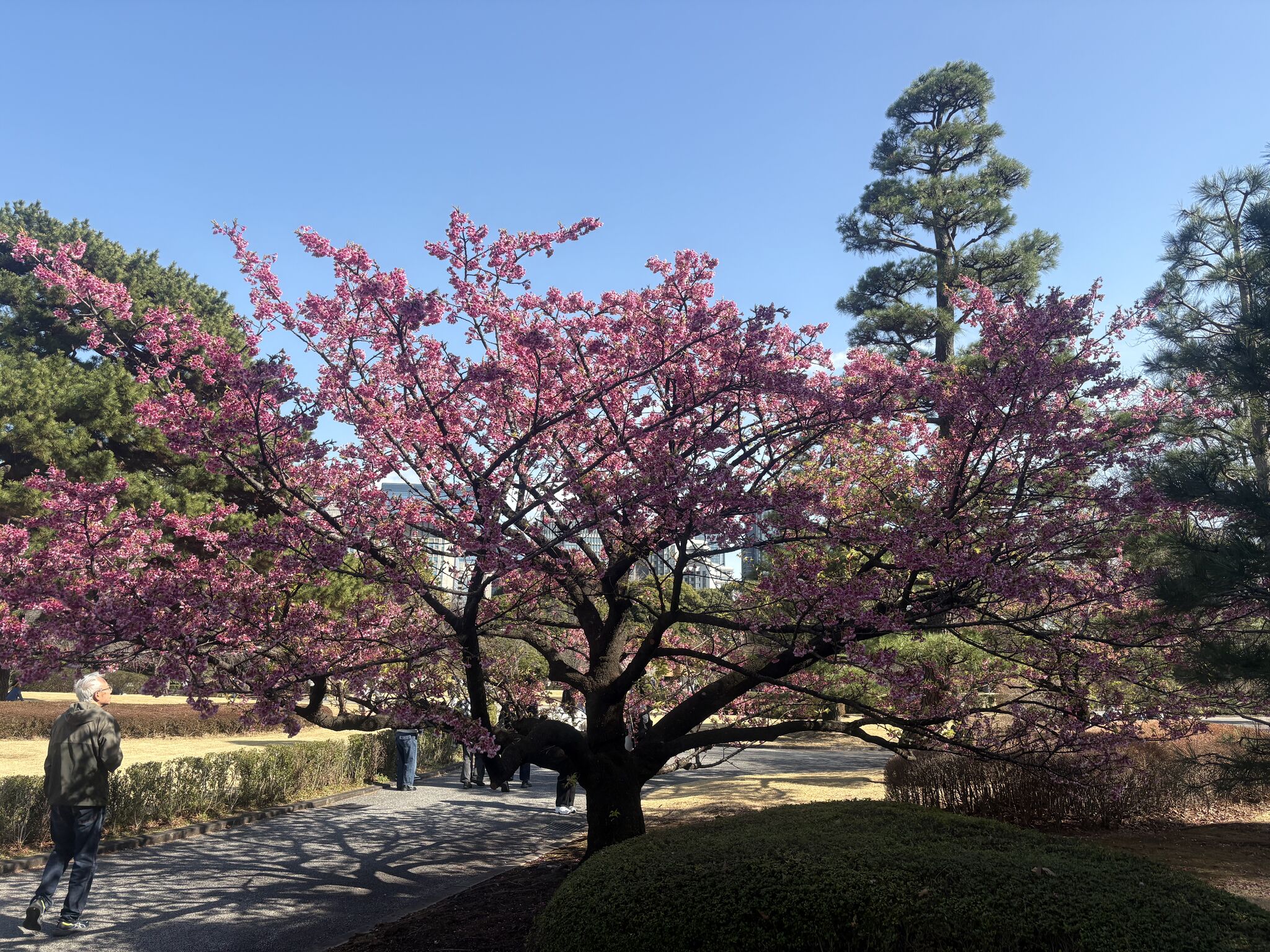
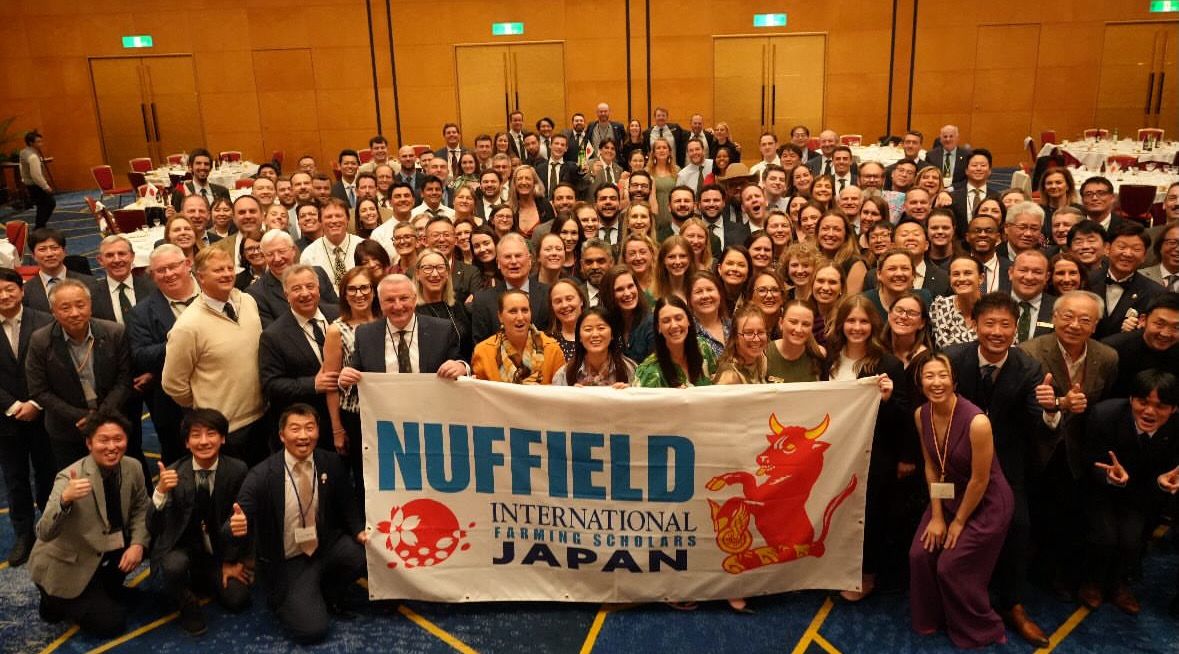
The Nuffield International 2026 Contemporary Scholars Conference was held in Japan from the 8-15th of March. This was a momentous event, the first CSC to ever be held in Asia, and our Japanese hosts offered us an exceptional experience.
We began our travels early with a day in Tokyo then headed to Awaji Island, known as the legendary birthplace of Japan and famous for their sweet onions.
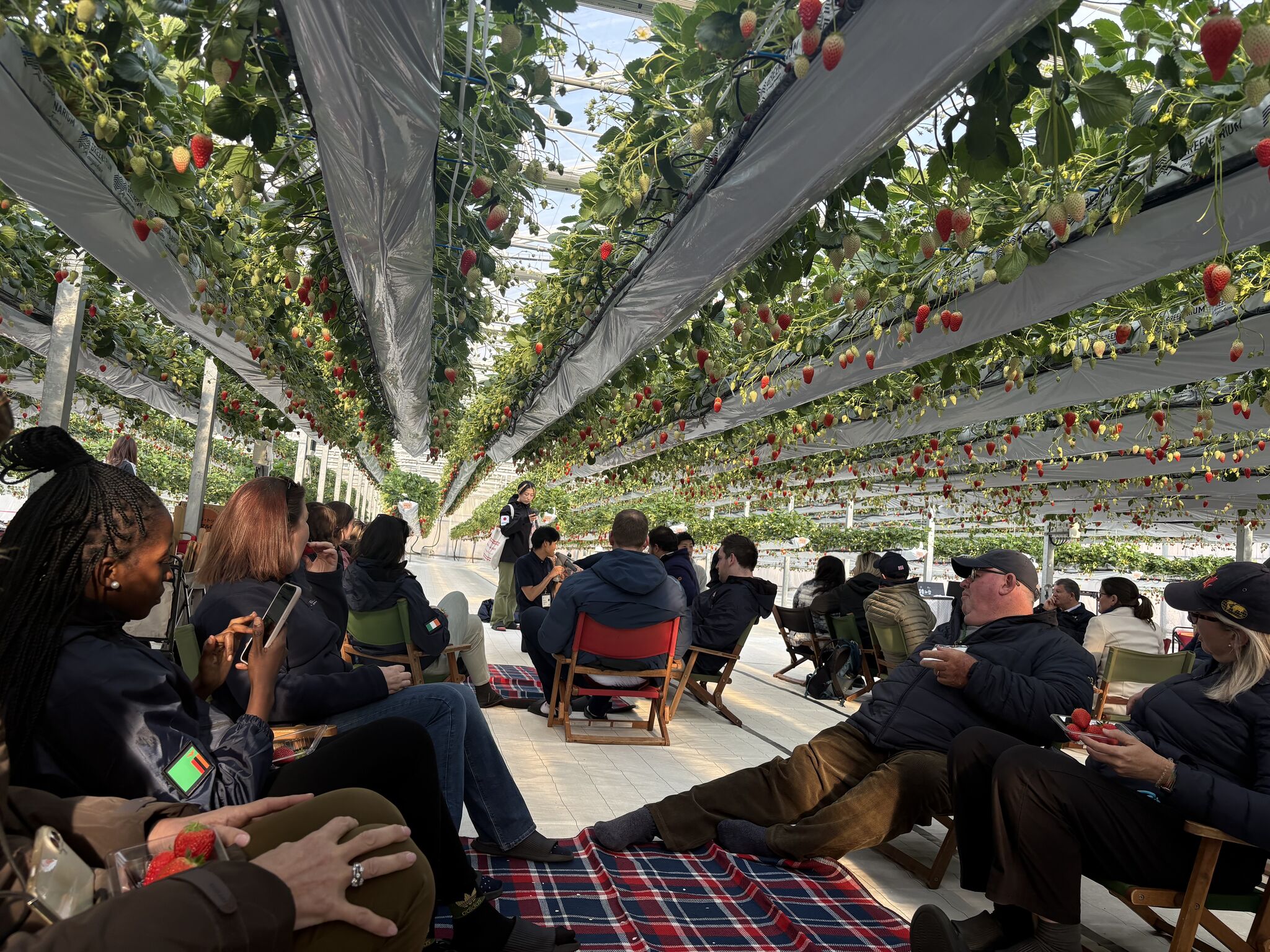
On Awaji Island we met with international Nuffield scholars, fellows and executives and learnt about Japan’s culture, history, polices, challenges and opportunities. We enjoyed field trips to a variety of farm types which was an honour as Japan doesn’t tend to host farm tours the way NZ does.
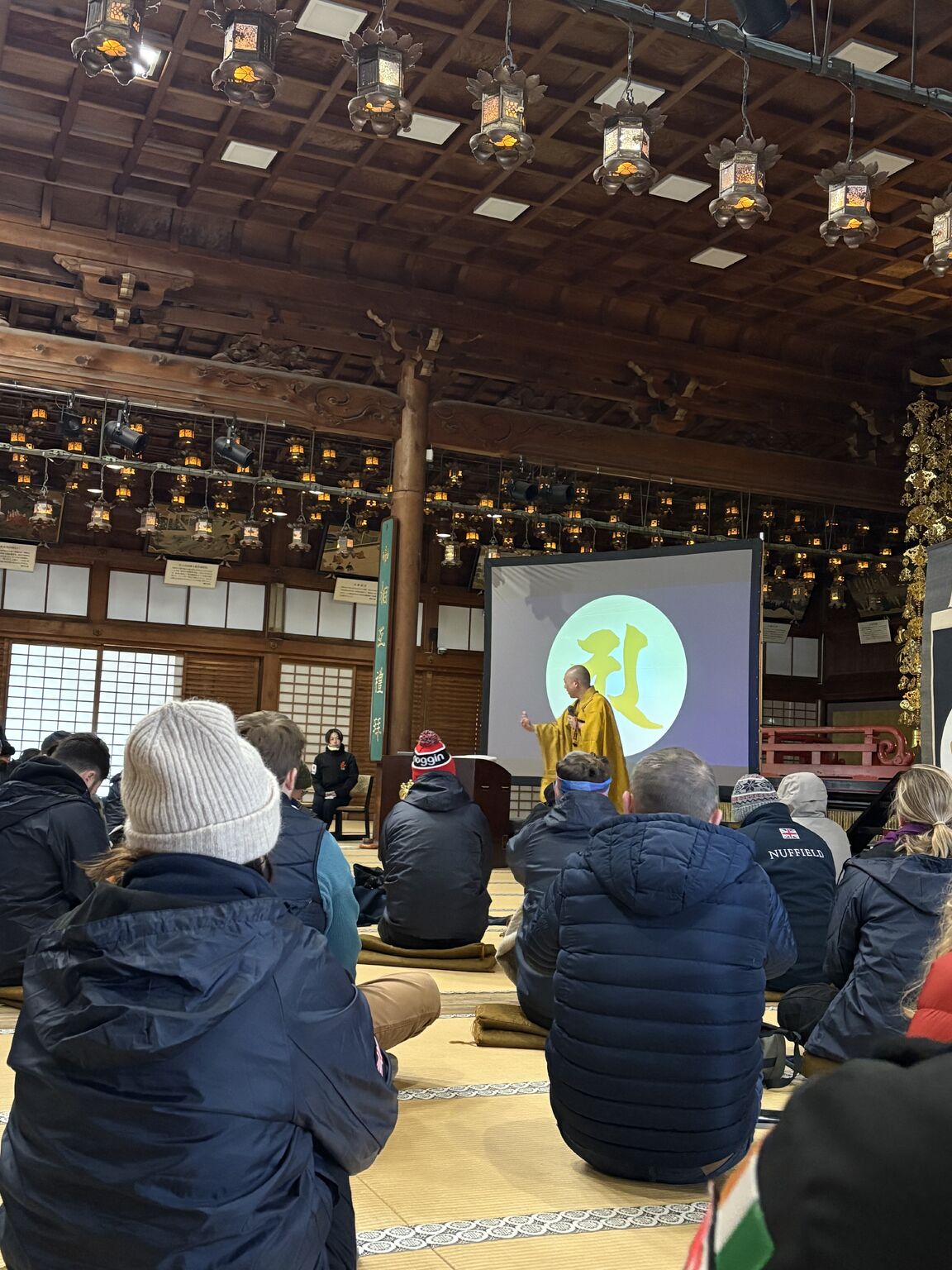
For the final two nights we travelled to Mount Kōya (高野山, Kōya-san), a temple settlement founded in 819. The immersive experience included temple lodgings, vegan meals, morning prayers and mediation and snow the first night we arrived!
The Nuffield Japan team ran an excellent event and gave us the opportunity of a lifetime, we are extremely grateful. At the conclusion of CSC we saw each other off, Jared is the first of us to head away for Global Focus Programme travels (follow his experiences @nuffieldgfp1), and Tracey began her individual travel with extended time in Japan.
Our Top Five Learnings from the 2026 Contemporary Scholars Conference:
1. Food security is a national priority but it’s not always reflected in production systems
Japan places a strong emphasis on domestic food security yet many farming systems remain focused on value-add, niche production, enterprise stacking and vertical integration. It was interesting to observe the tension between resilience and profitability and the potential impacts of these.
2. Agriculture is designed to serve society, not just the individual business
Farming is managed in a way that is cohesive with Japanese society and values, and contributes to environmental, cultural, and the sometimes-unspoken community outcomes. There is an understanding and respect for the limitations of farming on an island nation.
3. Rules, structure, and social discipline underpin system success
Clear expectations and a strong respect for rules create order, consistency, and trust across society. This enables systems to function smoothly and may contribute to wellbeing through certainty and shared understanding. This offers an interesting lens for agricultural policy and governance.
4. Workforce and succession challenges are here now
An aging workforce, limited youth return, and a continued reliance on manual labour create some interesting pressures. While automation is not widely embraced (something that surprised us but is explained by nuances in Japanese culture), there must be an opportunity to find a balance that maintains cultural values while addressing the issues around future labour. The most common age of a farmer entering the workforce in Japanese Agriculture is at retirement (“we retire to farm, not retire off of the farm”).
5. Effective leadership starts with empathy and understanding
Many practices that initially seemed unfamiliar or inefficient revealed deeper logic over time. A key takeaway was the importance of observing first, seeking to understand context, and challenging our own assumptions before forming conclusions.