2026 Nuffield NZ Farming Scholarship. Apply by 17 August 2025. Read More...

Apply for 2026 Nuffield NZ Farming Scholarship by 17 August 2025. More details...

Pasture-based corporate dairy farming in Zimbabwe – a concept plan.

Executive summary

Context

The market for dairy products in Zimbabwe, East Africa, and Southern Africa is growing and undersupplied. This paper investigates the dairy foods market, produces three years of financial projections, and investigates the critical success factors behind a greenfield large-scale pasture dairy operation. Investors from the New Zealand dairy industry have developed several projects worldwide, allowing relevant lessons to be used in Zimbabwe.

Aims

This study produces a concept plan for a corporate dairy farming company in Zimbabwe. It investigates the domestic and regional markets and the general business environment. The final focus is on discovering the critical success factors in developing a corporate pasture-based dairy company.

Methodology

A mixed method of interviews and secondary financial data was used to investigate the market in Zimbabwe, produce financial projections and develop an understanding of the critical success factors behind foreign direct investment into the dairy farming industry.

Key Findings

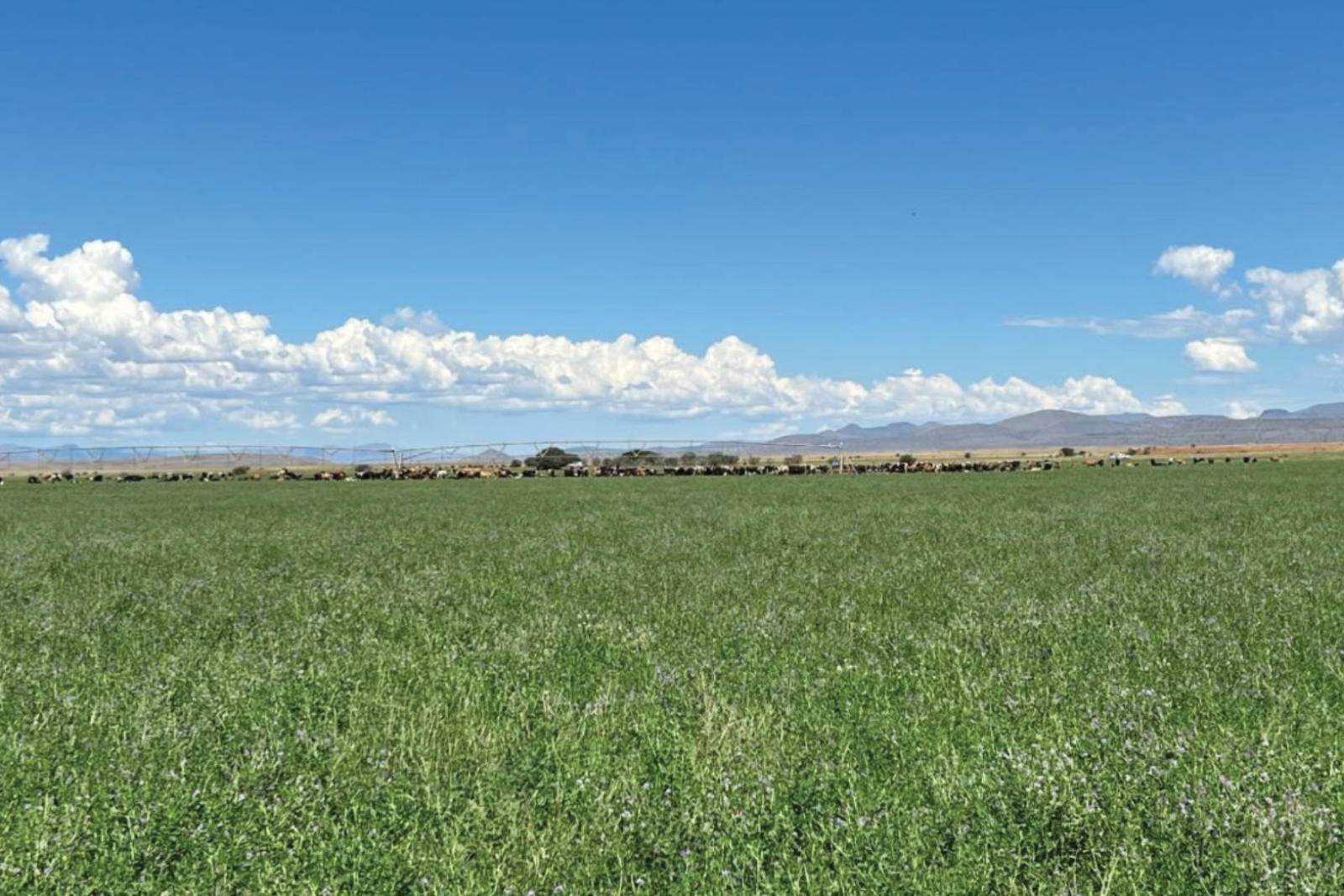
The market analysis indicates that Zimbabwe is a good country in which to develop pasture-based dairy farming on a corporate scale. The domestic milk market is in deficit, land with water is available, and the physical climate is the best in the region for pasture-based production.

The financial projects show attractive returns on capital, a substantial profit margin, and good cash flow. The returns consider the additional risk of operating in Africa, specifically Zimbabwe.

Careful choice of site, understanding of possible grass production, and the availability of supplements are vital in adapting the New Zealand pasture production system. Realistic budgets from the point of view of physical production and financial performance are essential. At the same time, leadership and an understanding of profit drivers are required from the director and farm management levels.

Recommendations

  1. The author should develop the proposal further.
  2. The author needs to identify the region of Zimbabwe in which to operate as a prerequisite.
  3. The promoter should project Conservative budgets.
  4. The promoter must find capital that fits the returns profile.
  5. A knowledgeable team must be assembled.

Rob Shaw, Robert

Understanding a future with genetic technologies in New Zealand agriculture.

Executive summary

New Zealand is at a pivotal time as genetic technologies become an increasingly important tool in global agriculture to help address issues such as food security, environmental impact, and changing consumer preferences. The current New Zealand regulatory framework in this space, the Hazardous Substances and New Organisms (HSNO) Act 1996, imposes stringent restrictions, effectively prohibiting the use of these technologies outside of controlled laboratory environments. However, significant advancements in the genetic technology space have outpaced this legislation. The Government is reviewing the framework with new regulations expected by the end of 2025. The proposed reforms aim to create a dedicated biotech regulator, streamline approvals, and align with international standards to enhance economic and environmental benefits.

This report examines the integration of genetic technologies into New Zealand agriculture, focusing on their benefits and risks, the regulatory changes needed, and the support required for adoption by the public and farmers. Prior to the new legislation being implemented, it is important to have a clear understanding of these benefits and risks in relation to New Zealand and our export markets, as well as understanding public perspectives. The research methodology included a comprehensive literature review and semi-structured interviews with 16 key stakeholders.

The findings highlight continued public apprehension and emphasise the need for a national dialogue to clarify the technologies’ benefits and implications. Identified potential risks include environmental impacts, unintended consequences, and export market, economic and social issues, though the
adoption of these technologies is unlikely to harm New Zealand’s export reputation.
A clear understanding of export market preferences and genetic modification (GM) product definitions is essential.

The findings emphasise the need for a robust, adaptable, trait-based regulatory system to mitigate these risks, and an initial focus on genetic technology tools that address emissions reduction and environmental sustainability in New Zealand agriculture, noting that public acceptance is likely to be higher for environmental applications than for production improvements.

Key Recommendations:

  • Engage public and stakeholders early in discussions on genetic technology regulations and use, clearly outlining associated risks and benefits.
  • Use unbiased, fact-based communication from trusted sources.
  • Focus on technologies that offer environmental, animal welfare, or consumer benefits.
  • Understand our export market perceptions and preferences.
  • Clearly define and explain the types and implications of genetic technologies for our export markets.
  • Develop adaptive regulations centred on product risk rather than process.
  • Implement technologies promptly to maintain a competitive edge.
  • Rural supplies merchants will have a role to educate and support farmers in the responsible adoption of genetic technologies.

Lisa Lunn

What’s the beef? Opportunities for beef on dairy in New Zealand.

Over 2 million calves are produced from the dairy herd in NZ every year, some are either retained for herd replacements, or are raised and finished on dry stock farms. However, approximately 1.8 million non-replacement or bobby calves are slaughtered annually at 4-7 days of age.

The opportunity for beef on dairy is to shift the value chain from dysfunctional to functional. If the end product has a greater value, then financial participation and therefore functionality increases for all activities involved in creating, rearing, growing, processing, marketing, and delivering a beef product to the end consumer from the dairy industry.

Financial effectiveness is the fundamental aspect throughout any value chain, facilitating the flow of resources, transactions, and incentives at each stage.

Unless there is more money for the end product of non-replacement calves, the value chain will continue to focus on cost minimisation of the calf as a by-product of milk production.

Money saves the bobby calf, but to realise more value with the consumer a successful beef on dairy value chain requires several key changes that contribute to delivering a product that has a higher value to the consumer, and increased effectiveness and efficiency.

  1. Understand the Customer Needs: Grain fed is often a customer preference, especially in Asia markets. Short fed grain finished beef could be an opportunity to align the value chain activities with customer requirements. Grain fed also creates products that deliver value and meet customer demands of product consistency and reliable supply effectively.
  2. Improve Integration and Coordination of Farming Systems: This involves seamless communication, collaboration, and synchronization of activities to ensure smooth flow and timely delivery of products or services, dairy farms, rearers growers and finishers.
  3. Efficiency and Cost Optimisation: Using genetics designed to minimize costs and maximize efficiency at every stage of beef production optimises resource utilisation to achieve production cost advantages.
  4. Sustainability: The opportunity to communicate and validate existing environmental, social, and governance (ESG) factors of a low carbon beef sales platform to deliver value to the consumer.
  5. Technology: Meat grading is critical to improve value, give visibility and confidence of product quality and consistency of eating experience for the consumer.
  6. Continuous Improvement and Innovation: marketing and branding of beef on dairy needs to continuously seek ways to introduce new digital transaction functions, and data analysis to optimise processes, and innovate across all stages of the value chain.

By shifting from a production driven to a consumer demanded beef on dairy value chain there is a prospect to enhance value and provide an opportunity for beef on dairy and the non-replacement dairy calf.

Keywords for Search: Matt Iremonger

Boots on the ground are part of the solution. Transitioning agriculture towards sustainability together.

A reduction of Greenhouse gases is being demanded through our value chains. Farmers need to be at the table of change, not on the menu. The boots on the ground are part of the solution and need to be part of discussions and decisions. Farmers must remain profitable to enable change.

In the aftermath of the World Wars, nations prioritised food security and production, leading to increased international trade. Post-COVID, global discussions now revolve around food and fuel security, climate improvements, and sustainability. Agriculture is recognised as crucial in finding solutions to these challenges, with responsibility extending throughout the entire value chain, not just to farmers. Trade plays a pivotal role in resource sharing and environmental sustainability, exemplified by New Zealand’s dairy industry, which exports 95% of its products.

However, the dairy industry faces environmental pressures, both domestically and internationally. Successful mitigation programs emphasise voluntary, trusted, and measurable approaches, such as those seen in the Catskills Watershed and Arla’s 80-point programme.

To avoid dairy becoming the new coal and instead be part of the climate solution, financial solutions driven by Environmental, Social, and Governance (ESG) targets are crucial. Companies setting ESG targets are viewed as more successful and profitable, leading to increased access to capital. Green loan funds globally highlight the growing importance of sustainability in business.

Consumers’ demands for greenhouse gas reductions are not met with a willingness to pay, but rather through pressure from ESG stakeholders, investors, and employees. Market and capital access is now contingent on meeting social expectations, such as sustainability plans.

Transition payments through the value chain offer a solution, alleviating the burden falling solely on farmers and ensuring their economic viability during the transition to more sustainable practices that reduce greenhouse gases. Brands and customers, such as Nestle and Mars, are recognising the need to support farmers through this transition. However, structuring payments is complex, with brands currently willing to pay for greenhouse gas reductions but not yet for other nature-positive outcomes.

A reverse auction model or transition payment system could provide a platform for change, enabling farmers to choose their level of participation and providing compensation for their efforts in adopting sustainable practices. New Zealand’s unique farming system, facilitated by cooperatives like Fonterra, presents opportunities for collective action and innovative solutions.

By embracing ESG principles and transitioning towards sustainability, agriculture can ensure continued access to markets and capital while addressing environmental challenges. Early adopters stand to eliminate their risks and become experts in sustainable farming practices, shaping the future of agriculture for generations to come.

Keywords for Search: Kylie Leonard

The mountain we need to climb. Designing agricultural policy for a future in farming.

“People love innovation almost as much as they hate change.” Jack A Bobo

This report primarily addresses those in leadership, and to a lesser extent agricultural policy makers and others with an interest in how we move forward in delivering better outcomes for those on the land and the land itself. The findings and conclusions are also relevant for the wider agricultural sector as the issues at the heart of our policy landscape are not confined to Government.

New Zealand has a legacy of leadership, pioneering and innovating in the face of challenges, and culturally we are often eager to ‘lead the way’. However, we are less accomplished at reviewing ourselves objectively and understanding what about our leadership or innovations have proven effective, or where we have gone astray. This means that our perspective regarding what we do, how, and why we do it sometimes lacks clarity.

This report hopes to bring into focus some of what we must clearly comprehend about ourselves and our operating environment if we are to navigate agricultural policy more successfully going forward.

New Zealand is a unique nation amongst food producers globally, operating almost entirely without subsidies and relying on volatile variables (weather, input costs, international markets, currency movements) to underpin the national economy. We have relied heavily on market forces to guide investment decisions since deregulation in the 1980’s and this responsiveness has fostered a vigorous drive for efficiency and profitability within the primary sector, to the extent that we lead the world by many measures of primary sector success.

This leadership has not come without cost and increasingly regulators are seeking to address public concerns regarding the unintended impacts of our highly responsive primary sector, in light of the markets failure to do so. However the New Zealand approach has been to add cost via regulation, essentially undermining the on farm efficiencies which enabled the primary sector to operate in the absence of subsidies in the first place. Naturally, in the face of perceived threats to their viability, there is strong farmer resistance to such a shift.

At the heart of this issue lies the conflict between what society desires in theory and what it desires in practice. The first is advocated publicly via public narratives, media, social networks, advocacy, activism and electoral choices, while the second is advocated privately via the everyday actions of individuals making purchasing decisions on a daily basis.

Policy makers in democratic systems are bound to respond to what people say, while producers in New Zealand (more so than anywhere else) have little choice but to respond to what people pay.

This difference is currently breeding cynicism in primary producers all around the world as many grapple with how to produce food more sustainably, while facing strong resistance to higher prices and receiving immaterial incentives from corporate customers who continue to compete in the retail environment primarily on the basis of constraining price.

In Europe, subsidies are increasingly masking this discrepancy, applying farm and environmental payments for those attributes which fall into the ‘intention gap’ between what consumers want and what they will pay for. New Zealand is largely

alone in continuing to lean on regulation to deliver ‘good’ in the absence of market rewards, and this represents a massive challenge, and perhaps an opportunity.

The opportunity lies in designing a future where policy is created in service of those who will use it, working with, rather than against those whose hands will bring it to fruition. We need to better acknowledge that our growers, unlike others, are being asked to raise the bar under their own steam, from pre-existing resources.

This shift in narrative, and a determined effort to develop the best stable of agricultural policies in the world could deliver something that no one else in the world has done: Deliver world class food with increasingly higher environmental integrity from unsubsidised food systems.

New Zealand is small and innovative enough to achieve this, but it requires a shift in mindset and a commitment to delivering policy which prioritises people. This report highlights the potentially powerful possibilities that emerge if people are put at the heart of policy making, and if organisations, tools and values are designed to facilitate this.

Distinguishing between real insights with regards to what should change within the farmed environment and how change can happen, can only be achieved by investing heavily in the capacity of policy makers and the primary sector to understand one another again. This requires investment in drawing closer together, developing common language and deeper relationships based on trust and a shared long-term view of the future.

The New Zealand public service is not currently oriented in a way that would enable policy making which is capable of grappling with the myriad of complex issues across multiple portfolios with deeply social and cultural implications. However, the need for such capacity has been recognised by the previous Government and enabling features given legitimacy via the Public Service Act 2020.

Whether or not the promise of this new direction comes to fruition will depend on the final point in this report, that of political will, and its role in defending the space for change. For those in leadership, this is your batten to take up and carry. Create and then defend the space for a system wide shift from a public service which prioritises processes and outputs, toward one that prioritises people and outcomes.

The evidence is there, the benefits outweigh the risks.

Keywords for Search: Kerry Worsnop

Redefining excellence in agribusiness advisory. The role of the rural advisor in the modern world.

The farming world is striving to feed an ever-increasing population from a declining land area whilst at the same time reducing its environmental footprint. As farmers evolve their practices to meet these challenges, the rural advisor working alongside the farmer must also evolve to meet the needs of the industry and the wider community – or run the risk of becoming obsolete.

This Nuffield report explores the trends and issues facing the rural advisor and provides guidance for the future roles and necessary skillsets of the advisor so they can continue to add value to the primary sector.

The objectives of this Nuffield research report were:

1. To understand the trends in the use of technology in the agricultural sector, and how these trends will affect the role of the agricultural advisor.

2. To provide recommendations on the future role of the agricultural advisor, and to investigate optimal business models for the agricultural advisory sector.

The desired outcomes from this research are to redefine what excellence looks like in agribusiness consultancy, and as a result increasing productivity in the agricultural sector, whilst at the same time reducing the environmental footprint of the primary sector.

A rural advisor, also known as a farm advisor, farm consultant or rural professional, works within the agricultural sector to support farmers in the theory and practice of farming. The intention is to add value to the farming business, recognising that the definition of value will vary between clients.

To anticipate the future role of the rural advisor it was necessary to understand some of the key trends facing farmers:

i) Scale and complexity: Farms continue to increase in size, and as a result complexity. The amount of information available to each farming business is increasing each year at a rapid rate, and this makes it more challenging to analyse and interpret the data.

ii) The commodity cost-price squeeze. Farmers who are producing a commodity face the continual challenge of increasing input costs and a decreasing margin, whilst at the same time being scrutinised more closely.

iii) A declining (farm) labour force is forcing farmers to adopt new technology that will reduce labour requirements, as well as altering the skill set requirements of farmers.

iv) Social licence to farm: Farmers around the world are facing an increased level of scrutiny by the public and the consumer. This scrutiny includes the areas of animal welfare, environmental impacts and labour treatment.

v) Increasing use of technology on farm. As farmers adopt new technologies, so too must the rural advisor become proficient with the technology in order to stay relevant.

vi) Land ownership versus management. There is a worldwide trend towards a separation between the ownership of land and the management of land.

Developments in Agri-tech are impacting on both how farmers manage their farms, how rural advisors are interacting with their clients, and how they are managing their own businesses. However, for Agri-tech to have maximum impact, there are two fundamental issues that continually frustrate those working in the New Zealand primary sector:

a) Lack of internet connectivity.
b) Lack of data sharing and interoperability.

These issues are not new, but until they are resolved the ability for Agri-tech to influence farming in New Zealand will be constrained.

From an agri-tech perspective, the increasing of artificial intelligence (AI) in agriculture has the potential to have a significant impact on the role of an advisor. Around the world there are already many instances where AI is replacing the traditional knowledge transfer role of the advisor. For example, Climate FieldView is auto-scripting corn sowing rates and fertiliser recommendations for US crop farmers. Farmer. Chat is an AI system providing agronomy advice for small scale cropping farmers in Ethiopia, Kenya and India. Closer to home, wearable technologies for cattle such as Halter are providing detailed farm management insights directly to the farmer.

The role of a farm advisor or rural professional varies widely throughout the world, between sectors and between organisations. For those advisors whose role is purely focused on providing only technical advice, the impact of technology may be rapid and profound, to the point that their role may not exist in the future.

Keywords for Search: James Allen

How does New Zealand ensure we do not get complacent in long-term disease control, specifically Bovine Tuberculosis?

Executive summary

Bovine Tuberculosis (TB) has been a persistent concern for New Zealand’s agricultural sector since the 1880’s and is still ongoing today in some parts of the country. While considerable progress has been made in reducing the prevalence of bovine TB, complacency in both farmers and industry representatives poses a threat to its effective control and eradication.

New Zealand Inc. must be bold in the fight for TB freedom. Eradicating Complacency looks at the historical journey New Zealand has been on with the disease, the efforts taken to reduce possum numbers and infected herd numbers, and what the current state of play of the disease is currently at in 2023.

This report, Eradicating Complacency, investigates the current perception and understanding of Bovine TB with farmers and industry, to gauge if there is a level of complacency happening with the disease in NZ. The aims of this study were to:

– Investigate the current perception and knowledge of Bovine TB and the TBfree programme with farmers and industry in NZ.
– From the above findings, determine what is needed to make TB visible in regions where there aren’t infected herds or wildlife.
– Review what story telling has already been done with farmers and industry representatives that have been impacted by TB in the past.
– Determine a people centred strategy going forward to ensure complacency does not occur with farmers and industry, and efforts are sustained the closer we get to eradication of TB in herds by 2026.

To carry this out a literature review was done on the international efforts of eradication of Bovine TB in other countries, the stories that have already been told of those impacted by the disease and how story telling can impact recovery in adverse events. A digital survey focusing on knowledge and perception of the TBfree programme was created and had 71 responses from farmers and industry professionals around NZ. A thematic analysis was used to theme the perception responses. One interview with a Senior Vet from OSPRI NZ was conducted to understand how the TBfree programme has evolved over time.

The research highlights that farmers and industry have a relatively sound understanding of the TBfree programme, however farmers feel there are not enough stories being told on the human and farming impacts of being TB infected. More literature reviews were conducted on the impacts of storytelling in recovery from adverse events.

Recommendations to eradicate complacency, the closer we get to Bovine TB eradication are:

– Human centred communications focusing on the people impacts, alongside the technical information.
– Increase story telling of impacted farmers and industry professionals to help make TB visible in non-visible areas of NZ.
– Education with younger generations, lifestylers on impacts of TB, and what it means to be TB free in New Zealand.

Eradicating Complacency shows valuable insights into what the next few years could look like as we move closer to 2026. It’s human-centred and has the people in the industry at its core.

Tessa Appleby

Dairying horizons. Exploring the potential for New Zealand’s dairy expansion in Nigeria.

Executive summary

In the face of market volatility and increasing uncertainty in international trade, New Zealand as an exporting nation, must adopt forward-thinking strategies to protect its interests. Market diversification within the dairy industry holds significant impacts on New Zealand dairy farmers, processors, and the wider economy. This report analyses the potential for expanding New Zealand’s dairy partnership with Nigeria, a market with untapped opportunities.

Report objectives:

  • Investigate the current landscape of Nigeria to set the context in which the dairy sector operates.
  • Analyse the structure and dynamics of the Nigerian dairy sector.
  • Examine the relationship between demographic factors, economic growth, urbanisation, and the political landscape on the demand for and consumption patterns of dairy products in Nigeria.
  • Propose recommendations for New Zealand dairy exporters to explore further growth between New Zealand and Nigeria.

The research methodology involved a situational analysis through a comprehensive literature review to assess the current state of Nigeria and the structure of its dairy sector. Semi-structured interviews with key stakeholders were conducted to gain an understanding of the consumption trends and drivers.

Critical analysis of the literature review and interviews revealed four drivers impacting the growth of Nigerian dairy consumption these were: the force of population growth and demographic shifts, economic recovery, political stability, and rate of urbanisation.

As Nigeria’s population continues to grow, urbanise, and the working age demographic expands the demand for dairy products is projected to substantially increase. This increased demand is driven by an emerging middle class, youthful and urban population. However, the Nigerian dairy market’s potential hinges on the country’s political stability and sustained economic recovery. Given global market uncertainties and geopolitical dynamics, New Zealand’s commitment to diversification is paramount. Underscoring the significance of engagement with Nigeria to ensure that future growth opportunities remain open.

Recommendations for New Zealand’s engagement with Nigeria:

  1. Establish relationships:
    The Ministry of Foreign Affairs and Trade to proactively build relationships in Nigeria and West Africa. Through establishing representation across the country to prepare for future growth opportunities.
  2. Cultivate market familiarisation:
    New Zealand Trade and Enterprise to invest in building expertise and knowledge to gain a greater understanding of the Nigerian market. Enabling New Zealand to make informed decisions.
  3. Prioritise Nigeria as a long term future trading partner:
    The Ministry of Foreign Affairs and Trade to develop a strategic plan to build engagement with Nigeria by dedicating resources and diplomatic presence.
  4. Facilitate exchange and capacity building:
    Industry bodies to facilitate the exchange of knowledge and expertise. By bringing Nigerian dairy stakeholders to New Zealand to familiarise themselves with New Zealand dairy processes, quality standards and market dynamics.
  5. Diversify commodity offerings:
    Encourage New Zealand dairy processors to consider expanding their product range to include Fat Filled Milk Powder to target a broader and growing consumer base.

Anna Gower-James

What are the impacts on germplasm importers if regulations get harder to comply with and what are the consequences for NZ?

Executive summary

New Zealand is an exporting nation with its primary sectors being some of the biggest contributors. There is a lot to protect ourselves from in the way of biological incursion that could crush our primary industries, in particular, horticulture.

Protecting our country is done in the way of border controls and monitoring what is entering the country through government created biosecurity systems. The new germplasm import pathways has its own biosecurity system which for users is fraught with complex and multi-layered challenges, all with the primary goal of protecting New Zealand from biological incursions.

This report aims to help support ongoing work in the germplasm import industry and to find beneficial solutions for importing pathways while keeping New Zealand safe from biological threats. This report will explore three key research questions.

  • What is the history of the quarantine system in New Zealand, and how does the system now work?
  • What are the most common barriers to entry of new plant germplasm material into New Zealand?
  • What are the solutions to assist with the simplification of the import process?

The methodology comprises a literature review to provide context around the key barriers faced with the importation of germplasm. A thematic analysis is then conducted from ten anonymous semi-structured interviews of four people from fruit and vine, two that work across multiple horticultural production sectors, one from the ornamental sector, one from the arable sector and two from a non-governmental organisation. The questions were grouped into five high-level themes:

  • Business involvement with plant germplasm
  • Introduction of new plant germplasm
  • The impact and understanding of import barriers
  • Challenges, improvements and impacts
  • Other opinions brought to light

After analysing various themes related to import systems, four major discussion areas emerged from the literature. These areas include the need for simplified operational processes to improve the import system’s usability, economic feasibility to address the potential implications of increased import costs, and New Zealand’s competitive advantage in both domestic and international markets for horticultural products.

Recommendations to improve import pathways for New Zealand and the users:

  • Plant importers, NGO’s and the government need to implement better collaboration between themselves for the improvement of importation frameworks and legislation.
  • To build better capability with MPI and provide comprehensive training for biosecurity officers and relevant personnel involved with the import processes.
  • The need to streamline and standardise New Zealand’s import processes to reduce inconsistency between imports and decrease time delays.
  • Industry and government’s continual investment in advanced diagnostic technologies to reduce testing time and cost.

Jake Kitson, Jacob

Farmer learning preferences around pasture and homegrown feed.

Executive summary

The most profitable farm businesses in New Zealand value the utilisation of pasture and homegrown forage first and foremost. They understand the importance of feed grown and eaten at home, and they farm to get the most from this cheapest form of feed.

But what do we know about the learning preferences of our farmers to efficiently grow and harvest homegrown feed in their farm systems? The purpose of this report was to provide pastoral agribusiness with key insights, including feedback from farmers, around learning preferences and how they make decisions. Pastoral farmers are defined as those who primarily use animals to harvest homegrown forage from their land, turning this into saleable protein, that will ultimately be sold off farm.

Specifically, this report looked to address two research objectives:

  1.  To identify a clear and deep understanding of how and from whom (or what) New Zealand pastoral farmers learn about pasture and homegrown feed for their farm system(s).
  2. Understand the main learning preferences and what is important to the New Zealand pastoral farmer making forage related decisions on farm.

The research used a literature review, fourteen semi-structured interviews (seven red meat sector farmers and seven dairy sector farmers), as well as an example of farmer learning through extension in a three-pronged approach to address the research objectives.

The literature review gave a theoretical base to current knowledge, focusing on research around learning preferences of farmers and how the social aspects of relationships, people and trust play into learning.

From the interviews, a thematic analysis of responses identified that there are two broad pillars (aspects) around farmer learning. Firstly, a pure learning aspect, and secondly a social aspect. Within each of these key themes were identified in the learning aspects Awareness, Information and Decision making, and in the social aspects People and Trust. The people theme is closely tied up with farmer networks.

For learning to occur, awareness of a concept, idea or management practice is always the first step. Awareness can often lead to ‘seeking of more information’ and/or a ‘give it a go’ approach, as our farmers are practical people. Other people/ networks play a major role in farmer learning, and most farmers prefer to learn from others and/or use other people or trusted networks to gain awareness, learn more and help make decisions. Trust over arches nearly all of learning. Farmers must trust in aspects such as information, people, companies, and the science – to be open to learn. And information presented must be relevant to farmers/farm systems, with many farmers preferring science or and data driven information.

Key recommendations for pastoral agribusiness to foster farmer learning are:

  • To aim first to create an awareness of the forage related concept or practice.
  • Ensure information provided is science-based or verified
  • Know who the target audience(s) is/are, be clear on this. Break them into groups, ask questions, listen, deeply understand regional or system challenges and quirks.
  • Information must be relevant to the target audience.

With this in mind, create a fostered learning environment, potentially through closed on-farm groups or any system that brings farmers together. Deeply understand that trust must be gained in order to succeed, that it takes time for this to build, but being part of this inner network is a golden place to be, and provides an opportunity for long-lived learning relationships.

Jen Corkran