
The New Zealand sheep breeding industry in the next ten years is likely to be more focused on breeding for traits that meet market requirements rather than breeding for on farm production. This is being driven by meat companies starting to pay on the meat value of the carcass. With the assistance of breeding tools such as Gene Markers that are currently available in the market place and SNP (single nucleotide polymorphism) technology being likely introduced in late 2009 the New Zealand sheep breeders are well placed to meet market requirements in the future The New Zealand sheep breeding industry has come forward in leaps and bounds over the last 30 years from a base of registered breeders to today where the majority of breeders are using performance recording (Sheep Improvement Limited) to achieve faster genetic gains. It is likely there will be consolidation within the ram breeding industry as individual breeders retire, have reduced customer demand, lack the scale to uptake new genetic tools and have limited genetic selection pressure. It is unlikely it will get to the extreme ofthe dairy industry in the near future due to the range in climate and typography of New Zealand sheep and beef farms and farmers individualism. It is going to be important that commercial farmers make sure their ram breeder is using these technologies to ensure they receive the financial benefits that are going to be available from meat companies. This will mean meat companies will be able to meet market requirements to ensure the sheep industry remains a competitive meat industry.


 2025
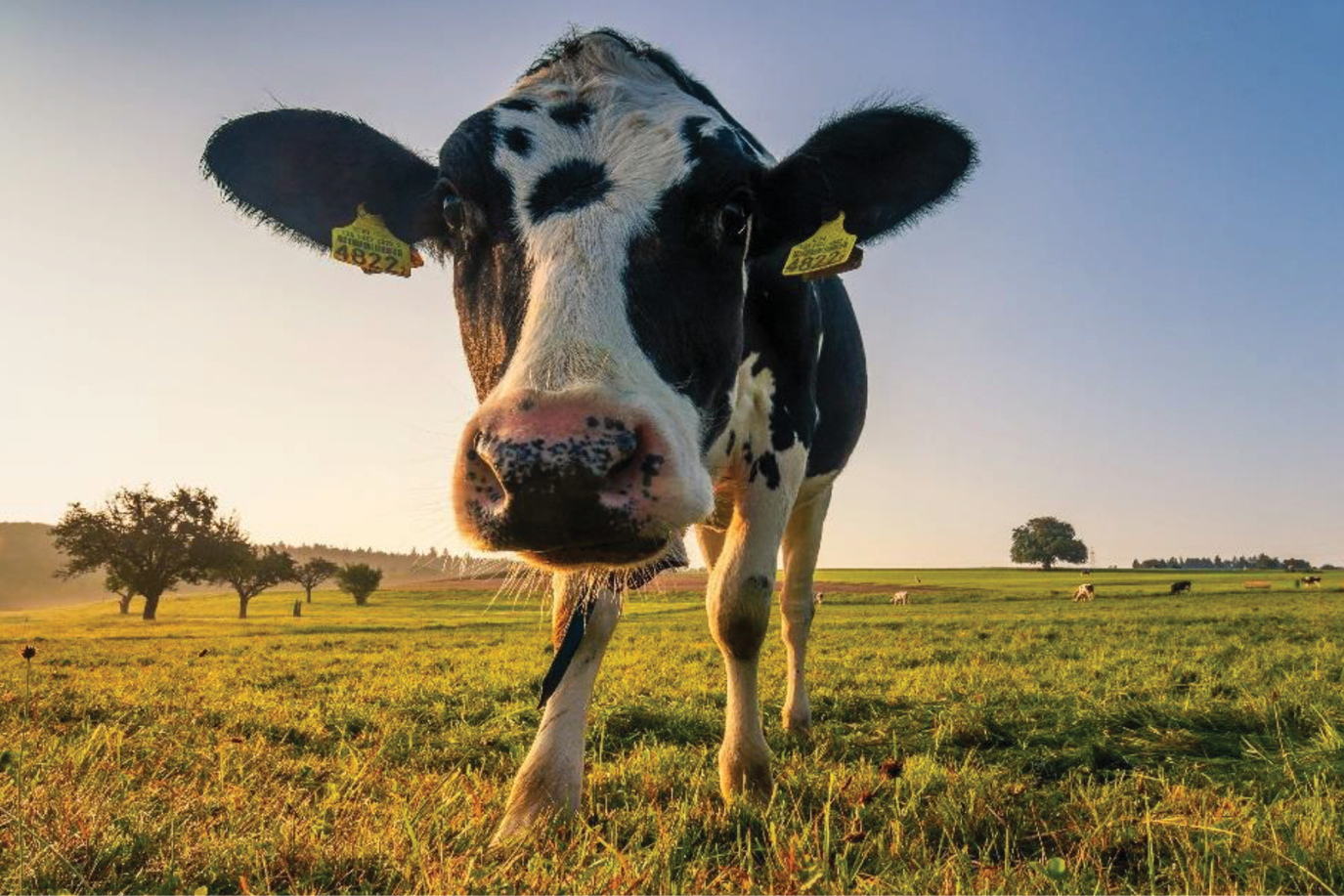
2025 Collars, Costs and Returns: Assessing the Value of Cow Wearables in NZ Pasture Systems
Wearable technologies offer real benefits in monitoring, labour efficiency, and safety on NZ dairy farms. David March’s report discovers that for high-performing operations, financial returns ...
 2025
2025 Leadership Qualities Needed for First-Time Managers
Leadership in NZ agriculture now values people management. This report conducted a study of farm leaders and found trust, empathy, and reflection are key traits, ...
 2024
2024 Kaitiakitanga as a pathway to enduring prosperity
This report aims to show how Māori land trusts in Te Moana a Toi apply Kaitiakitanga principles to achieve sustainable governance and long-term intergenerational well-being.