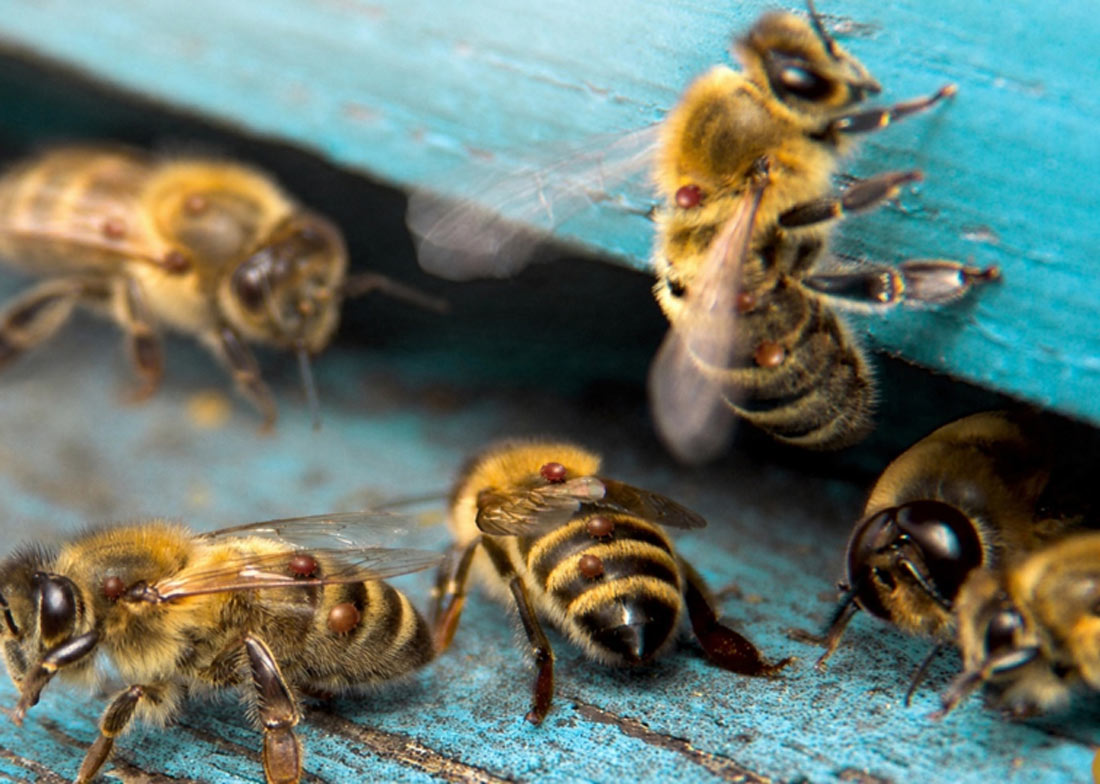
Varroa destructor remains the most significant biological threat to honeybee health in New Zealand and continues to be the leading driver of colony loss. Despite well-established management tools and guidance, national data shows that losses remain persistent, with no sustained improvement over time. This points to a core issue within the sector not as a lack of knowledge, but inconsistency in how varroa is managed in practice.
This research set out to understand what influences consistency in varroa management planning among New Zealand beekeepers, and to identify practical ways to strengthen alignment and improve control outcomes. A mixed-methods approach was used, combining a nationwide survey with semi-structured interviews across a range of industry participants, including beekeepers, suppliers, scientists, and government.
Findings from both the literature and primary research show that the fundamentals of effective varroa management are well understood. Monitoring, treatment timing, chemical rotation, and awareness of reinvasion risk are all widely recognised. However, how consistently these are applied varies significantly. The key influences on this consistency can be grouped as follows:
- Operational pressures such as time, labour, and financial constraints, which affect the ability to monitor regularly and apply treatments at the right time
- Behavioural factors, including confidence, experience, and stewardship beliefs, which contribute to a gap between knowing what to do and consistently doing it
- System-level influences, particularly reinvasion and neighbouring beekeeper practices, which mean outcomes are interconnected rather than isolated
- Lack of coordination across the sector, with limited alignment in treatment timing, monitoring approaches, and resistance management
Taken together, the findings show that varroa management is not simply a technical challenge, but one shaped by behavioural, operational, and wider system dynamics. Improving long-term outcomes will depend less on developing new tools, and more on strengthening consistency in how existing management practices are applied across the sector. The findings also suggest that ongoing inconsistency creates wider risks for long-term treatment effectiveness, reinvasion pressure, and overall industry resilience.
The recommendations focus on practical, low-cost steps that reflect how the industry operates. The key actions include:
- Improving regional communication and visibility of mite pressure and treatment timing
- Encouraging regular engagement between neighbouring operators
- Promoting voluntary sharing of management approaches to lift overall consistency
- Supporting simple, practical tools to improve day-to-day decision-making
- Taking a staged approach toward stronger industry alignment over time
Looking ahead, there is an opportunity to build on these initial steps over time. This could support stronger regional coordination, improved information sharing, and greater alignment across the sector. Importantly, meaningful progress does not necessarily require large-scale investment or immediate regulatory intervention. Instead, it can begin through practical actions that improve communication, build trust, and support more consistent management behaviour. Achieving this will require involvement across the wider industry, including commercial and non-commercial beekeepers, regional operators, industry organisations, suppliers, advisors, researchers, and training providers working together toward more consistent and coordinated varroa management practices.
Overall, this research finds that consistency in varroa management is shaped by the interaction between individual decision-making and wider system influences. Addressing this variability will be key to improving varroa control and supporting a more resilient and aligned apiculture sector in New Zealand.
Robbie O’Brien, O’Brian