
Fundamentally this report is a study of Hunterville’s Whare Ora Maternity Hospital and its battle for survival over 40 years. Over that period the Wanganui Hospital Board, and latterly the Wanganui Area Health Board, were unrelenting in their efforts to close the tiny hospital down and their fervour to do so was only matched by the Hunterville community’s effort and determination to prevent the Board from achieving their aim. To an outsider a community that fought to save a hospital that delivered only 21 babies in 1988/89 was simply living in the past and was extremely fortunate to have survived so long. However, there were aspects of the battle for Whare Ora that are relevant to many other, much larger, rural and suburban peripheral hospitals. Out of the final battle for Whare Ora in 1989 there arise some very important questions of accountability and democracy that have wide reaching implications for the whole Health sector, as Board’s grapple with restricted funding and increased powers and responsibilities. The aim of this study is to promote discussion about the present structure, financial capabilities and accountability of area health boards and to consider if changes for the future are necessary in the light of the Whare Ora example.


 2024
2024 Is the grass greener under irrigation?
With a changing New Zealand climate causing more frequent and more severe dry spells, including in regions previously seen as less vulnerable, the reliability of ...
 2025
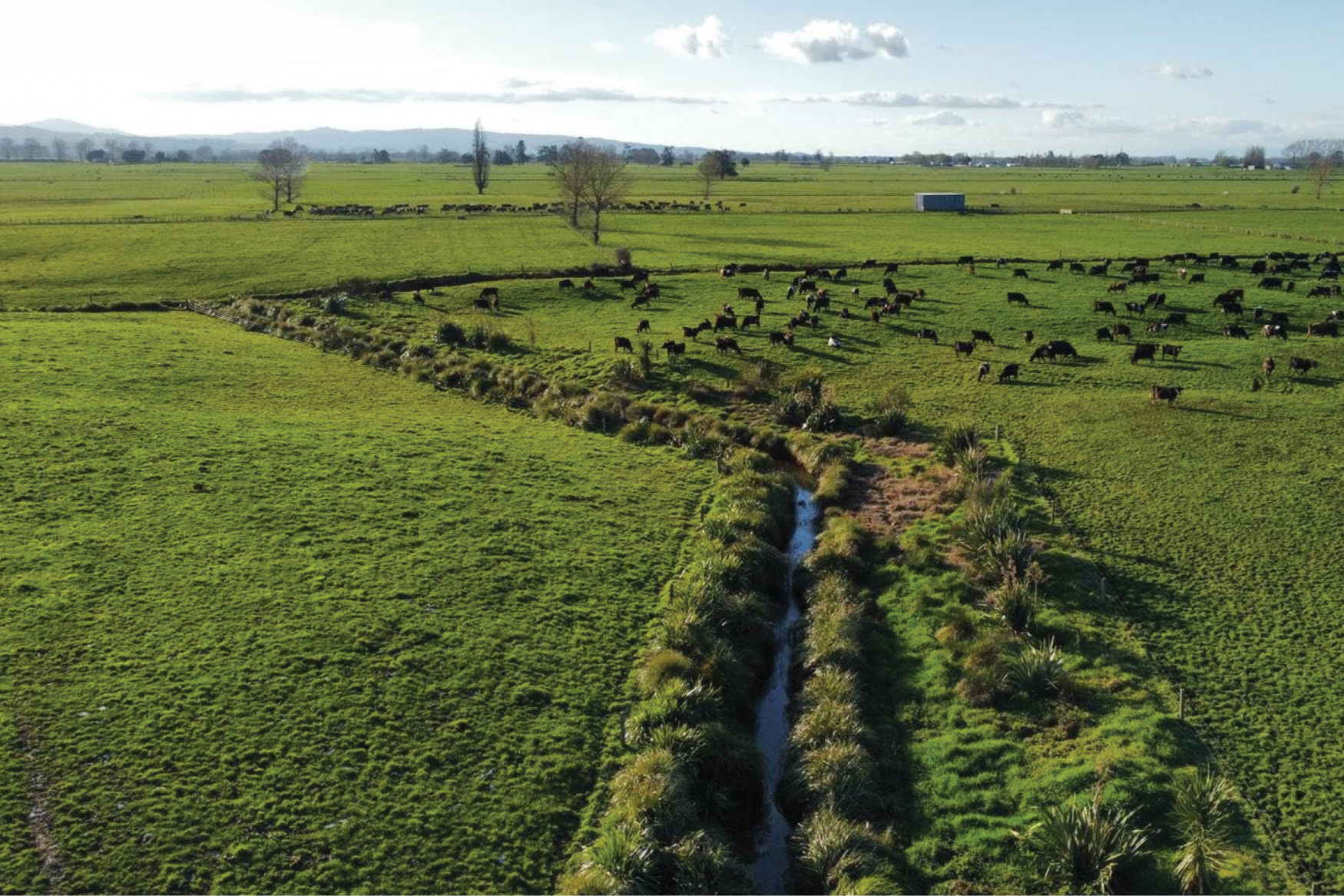
2025 Balancing Profit and Environment: Insights From New Zealand’s Leading Dairy Farms
NZ dairy farmers prove profit and sustainability can align—pasture smart, cost-savvy, and values-led. A balance worth backing.
 2025
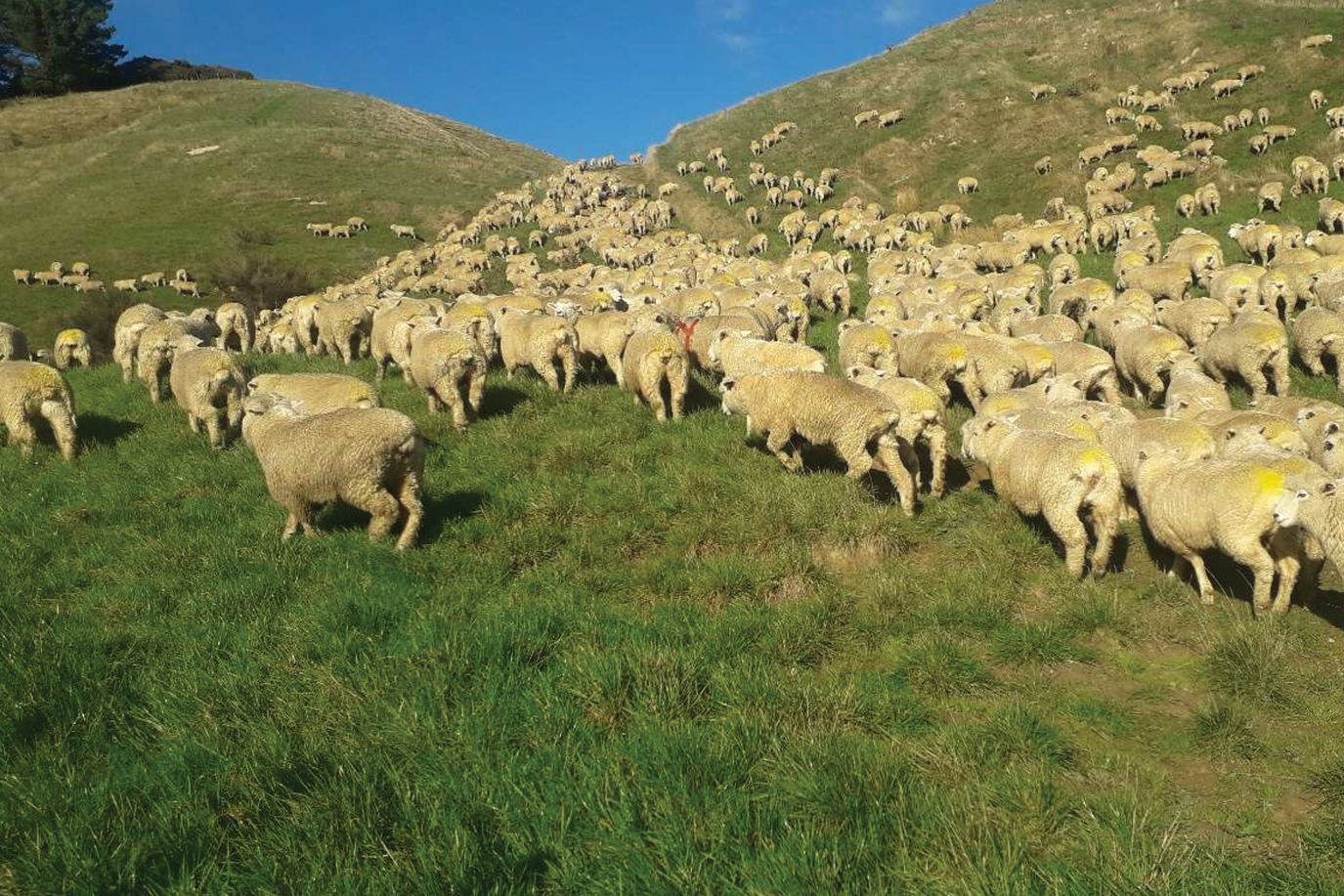
2025 27 and Ewe: Evaluating the Case and Appetite for Genotyping the NZ Commercial Sheep Flock
This report by Anna Vaughan evaluates if genotyping NZ ewes delivers enough genetic, market, and sustainability benefits to justify cost and adoption challenges.