
This report is written to look at unit standards learning in Agriculture. For many years farming has been a knowledge passed down through the generations or learnt over a period of time through trial and error. Not everything passed down suited the next generation, some generations found it hard to come to grips with the changing economic times or agricultural trends. This inflexibility or the holding on to ideas that had become out a dated, in many cases, because the families knew no better or did not have the opportunities to experience new ideas and new methods, lead to poor financial return, or at worst, sale of their property. All farming systems must be flexible enough to change with the changing times. To learn by trial and error or to be inflexible in farming practise cost money and time and sometimes farms. So like many industries, training programmes were introduced. Initially programmes were developed in New Zealand’s universities. The challenge was then taken up by the agricultural industry itself and farm cadetships and training schemes began to spring up. With the development of Polytechnics, even more agricultural courses became available. All courses, no matter at what level, required the learner to acquire knowledge and be assessed on the retention of knowledge through the mode of examinations. These examinations, were norm referenced, i.e. percentage based and were the hub of our education system until the start of the 1990s. As change had swept through the agricultural sector over a number of decades, so change now hammered, with a swift and well documented speed, at the doors of our educational sector.


 2025
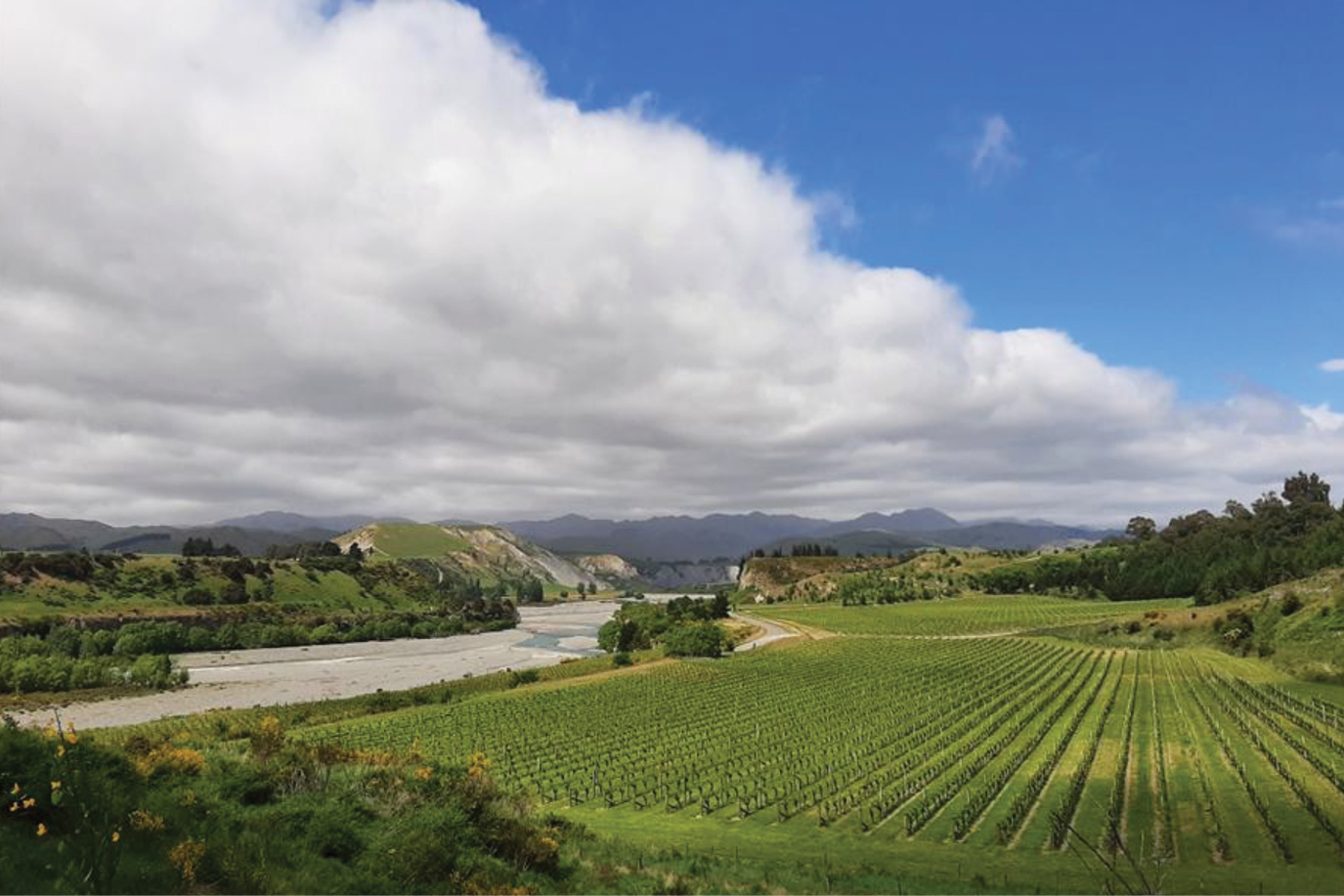
2025 Overcoming Barriers to Data Interoperability Within New Zealand’s Wine Industry
NZ wine confronts rising costs and unpredictable markets. This report by Zac Howell reveals how smarter data use, strong governance, and industry trust can unlock ...
 2024
2024 Creating a Thriving Food and Fibre Sector for Rangatahi in Aotearoa: He Ara Whakatipu
The food and fibre sector, a cornerstone of Aotearoa’s economy, thrives when rangatahi Māori lead. This report outlines barriers, strategies, and a vision for inclusivity.
 2025
2025 Evaluating the Potential of Increased Carbon Stocks and Biodiversity Outcomes to Fund Native Vegetation Management on NZ Properties
Cameron’s report examines whether monetised benefits from increased carbon sequestration or positive biodiversity outcomes could offset the costs of pest management and protection of native ...