
Farming with tuberculosis (TB) in the endemic area of North Canterbury has major implications to management practices. Although industry sectors are structured differently, the impact of TB is similar across the board with stress, financial, and farm policy implications all significant factors. The co-ordination and commitment of pest control in an organised, monitored and decisive fashion is necessary to see downward pressure on the numbers of TB reactive livestock in the region. A positive and effective chain of communication from the Animal Health Board, through Regional Animal Health Committees, Regional Councils, MAF Quality Management, to farmers is essential to foster successful results in the field. This, in turn, will enhance future education and research into winning the battle against TB and securing overseas trade access for our produce.


 2024
2024 Answers Under Foot: Should soil health be our #1 sustainability goal?
This research examines NZ horticulture's views on soil health and explores opportunities to elevate it as a key measure of sustainability.
 2025
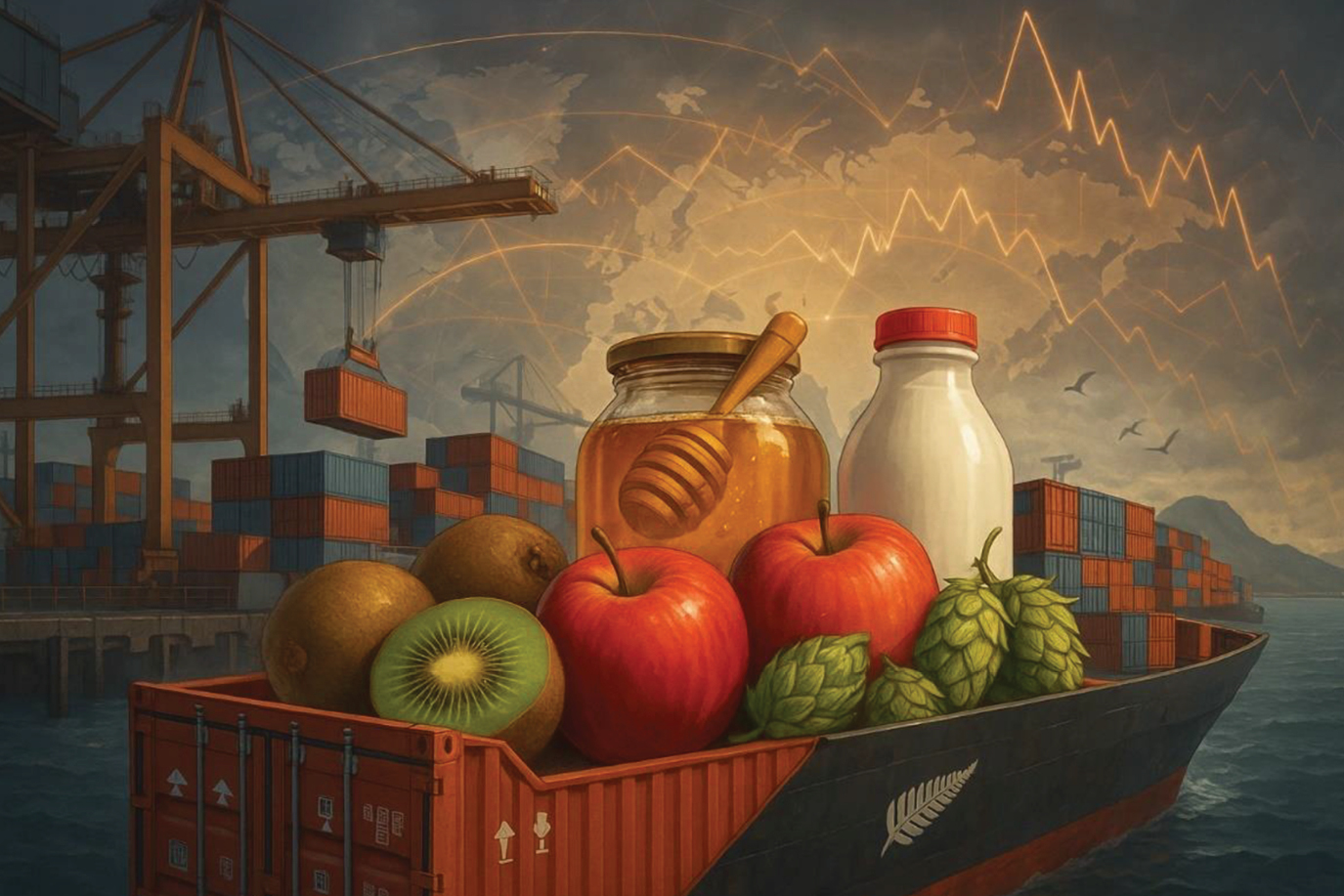
2025 Trading in Turbulent Times: Positioning New Zealand’s Global Food Trade, in a Shifting Global Order
NZ’s food exports depend on strong global partnerships and market trust. This report by Olivia Smith explores how innovation, integrity, and strategic investment, not volume ...
 2024
2024 Climate Change in the Waikato – Land use opportunities and threats
This report investigates the impact of climate change on Waikato's agriculture, highlighting risks like increased heat stress and drought for livestock farming, while identifying opportunities ...