
The end of the 1984/85 meat processing season saw the withdrawal of Supplementary Minimum Price payments, while at the same time sheep farmers faced increased killing charges and steadily increasing farm working costs and overhead expenses. The pastoral farmers had responded magnificently to the various Government incentives to increase production, but the meat exporting companies had been unable to find sufficient markets to absorb the extra mutton production at a price which would return a profit to the producer within the cost structure of the domestic processing and transport industries. The widespread concern about the likely consequences of such depressed returns for mutton resulted in a series of public meetings being called in October 1985, under the auspices of the Amberley, Amuri, Cheviot, Hawarden, Omihi and Sefton branches of North Canterbury Federated Farmers. At the public meetings, Mr Andrew Anderson, a farmer with engineering training and a background associated with meat processing technology, proposed that the farmers should establish their own slaughtering and rendering facility in order to dispose of their surplus sheep, especially those ewes which would not bring a positive return from the existing meat processing works.


 2024
2024 Growing Leaders, Growing Impact: Empowering the missing middle in Aotearoa agrifood leadership
This report explores how leadership development can be enhanced for mid-career professionals in New Zealand's agrifood sector, addressing gaps and promoting inclusivity and innovation.
 2025
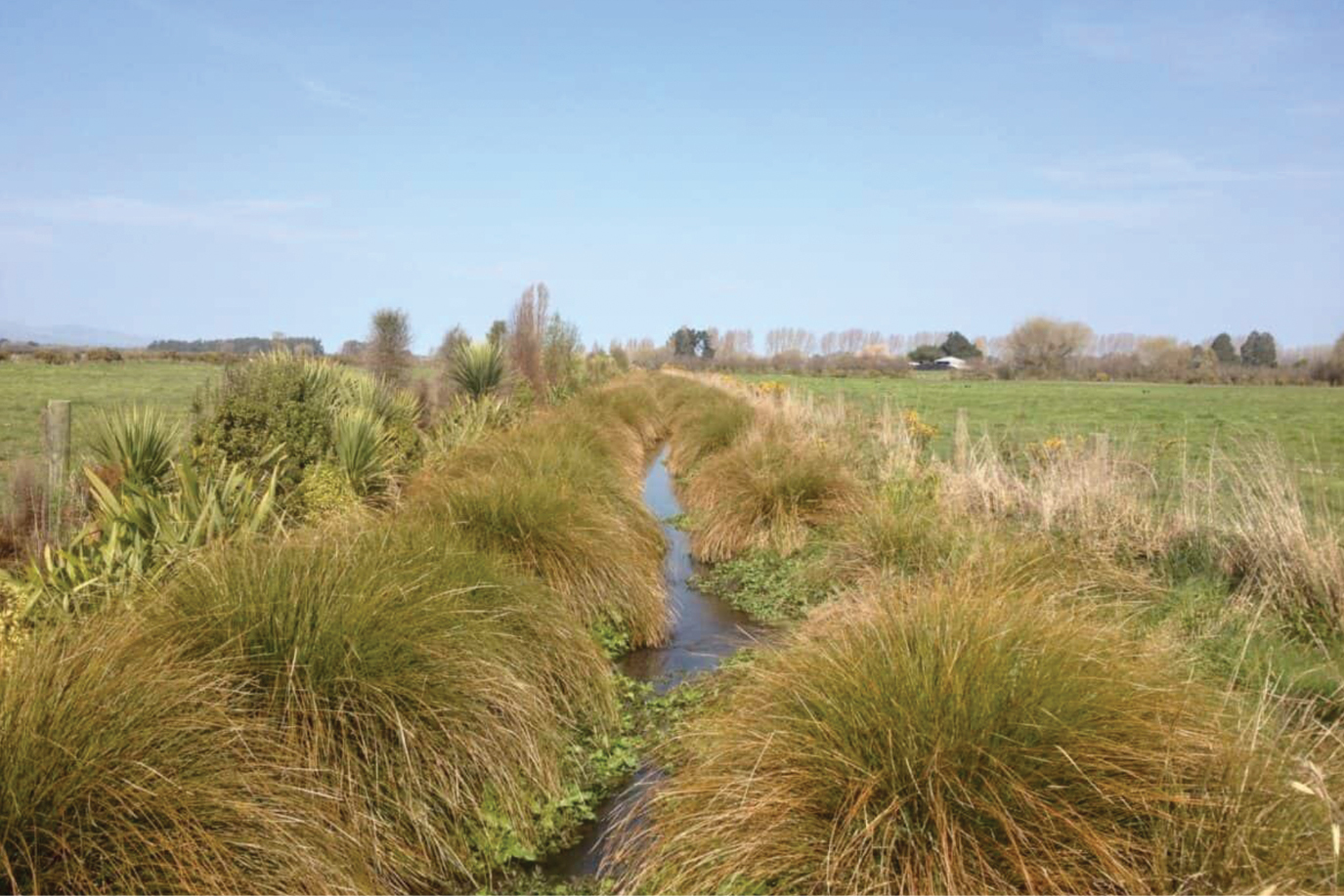
2025 Enhancing Biodiversity on Canterbury Dairy Farms to Improve Our Social License to Operate
This report by Nick Vernon, examines how biodiversity actions, community expectations, and stakeholder involvement intersect to build trust, improve environmental results, and support long-term sustainability.
 2024
2024 Let’s eat meat!
This research examines why lean red meat is good for your immune system, brain health, and weight management, as well as some challenges and opportunities ...