
New Zealand’s economic success is dependent upon the success of its agricultural industry. In turn agriculture’s success in New Zealand is dependent upon a skilled, motivated, well trained and educated work force. Statistics indicate that numbers of students enrolling in full time agricultural qualifications dropped significantly in the late 1990’s and early 2000 compared to the 1980’s and early 1990’s. Contributing factors to this drop in enrolments included, competitiveness of other full time programmes, a negative perception of agriculture as a chosen career and increased costs relating to tertiary studies. Encouraging young men and women to commit to a career in the agricultural industry has now become a prime focus of many organisations within the agricultural sector. The provision of scholarships to encourage students to study agriculture at tertiary organisations has risen dramatically in the last 5 years. This is directly in response to addressing the factors which have led to recent declines at tertiary organisations. This project attempted to answer a range of questions relating to the provision of rural scholarships to full time tertiary students and how these scholarships benefited the students, the tertiary providers and the agricultural industry at large. The project also looks specifically at 3 major providers of rural scholarships and their objectives.


 2024
2024 Understanding GMOs and NBTs: A New Zealand perspective
This report explores the evolving landscape of gene technology in NZ, focusing on the implications of genetic modification (GM) and the New Breeding Techniques (NBTs) ...
 2025
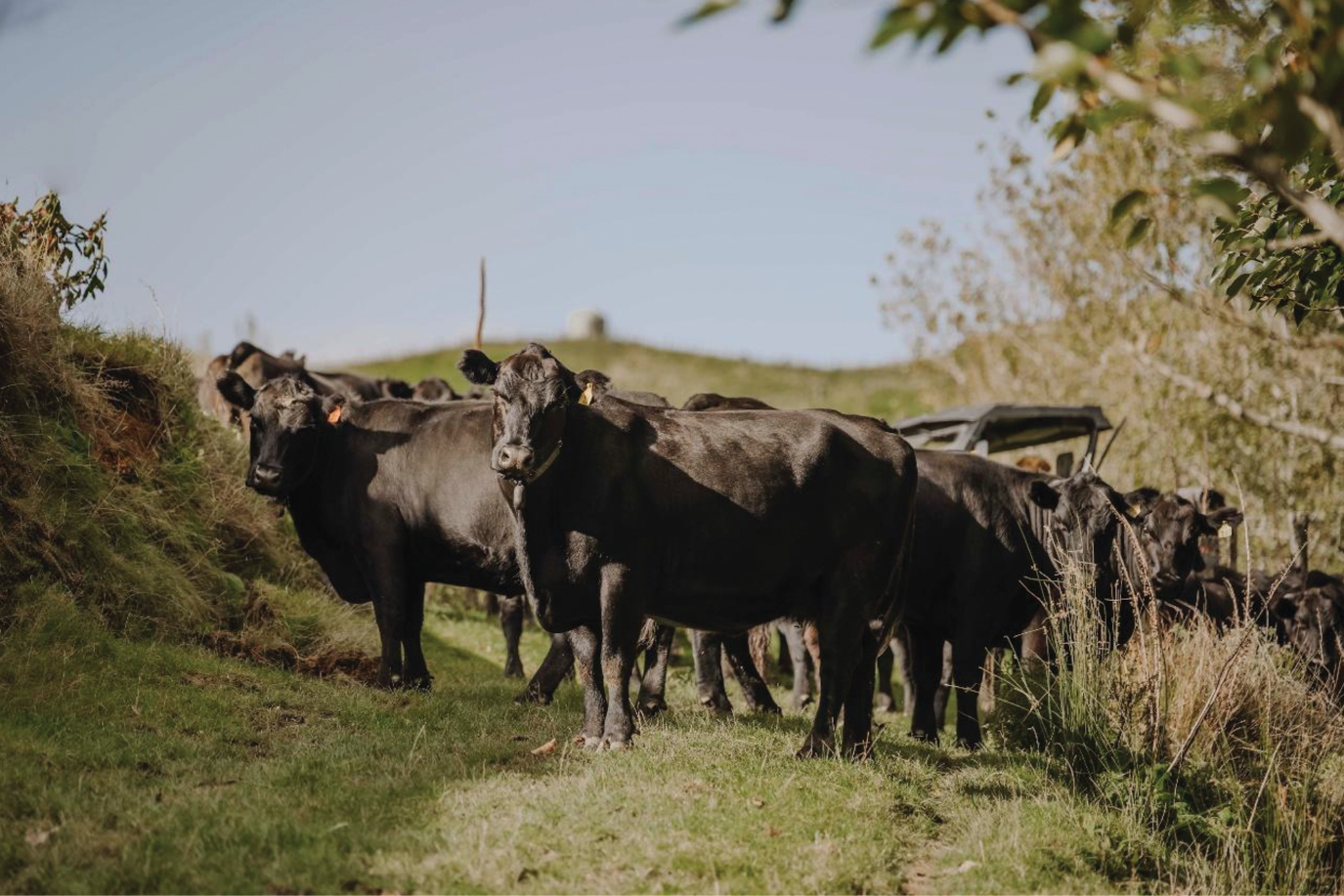
2025 Beef on the Brink of a Tech Revolution: Wearables on NZ Hill Country
This report by Natasha Cave examines virtual fencing for beef cattle, its potential to lift pasture management and environmental protection, while emphasising that success requires ...
 2025
2025 From Farm to Fork: Are Microplastics Putting Our Community’s Health at Risk?
Are microplastics entering NZ’s dairy supply? This report by Nicky Halley explores potential risks, public concern, and practical steps for farmers, industry, and policymakers to ...