
After innitial investigations into setting up a mobile rendering plant in Northland, it became apparent that my time would be better spent looking into the Freezing Industry with a view to either getting better performance from our existing facilities or by replacing them with smaller, more efficient plants. My reasons for abandoning the mobile rendering plant proposal were; – with the decline in the national flock over the past twelve months, the problem of getting killing space for old ewes was not so great. – with an easing of stocking rates on farms, there was less difficulty in getting cull ewes to a marketable standard. – a fall from better than $1000/ton to around $500/ton in prices for tallow reduced the possible returns from a rendering plant. I decided my time and energy was better spent on looking at alternative slaughter facilities. (A farm killing about 600 ewes and 2000 lambs a year, stood to gain better return/ewe say $6 x 600 = $3600 compared with a possible savings of $3 – $4 in killing charges on 2600 units = $7800 from improved killing facilities.)


 2024
2024 Future Proofing our workforce: Retaining the Skills for tomorrow’s growth
This report seeks to ensure that Central Otago’s horticulture industry remains robust, sustainable, and attractive to both current and future professionals.
 2024
2024 How can sheep and beef farmers navigate climatic extremes in times of reduced cashflow?
This report aims to analyse how high performing farm businesses reach and sustain the levels of performance, resilience and wellbeing they do.
 2025
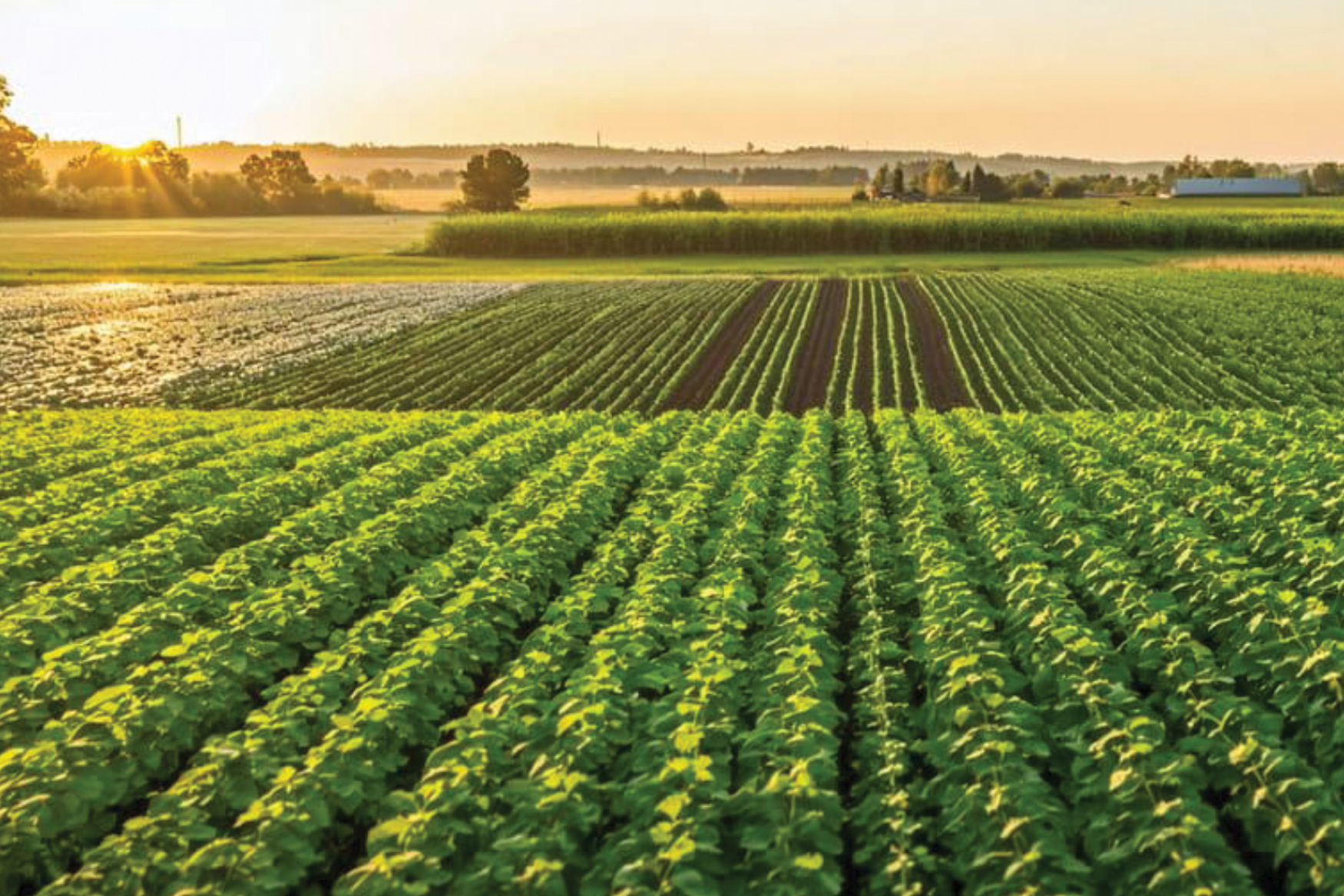
2025 Softer Crop Protection, the Way of the Future?
This report explores integrating biopesticides and IPM in NZ horticulture. Barriers include limited knowledge, resistance to change, and outdated regulations. Recommendations highlight education, expert collaboration, ...