
Once-a-day (OAD) milking is a management option which can provide significant benefits to the New Zealand dairyfarmer. The limited research data on OAD suggests that the production loss is in the order of 7-30%, depending on the breed of cow (Jerseys lose less than Friesians) and the stage of lactation (early lactation, higher losses). It is estimated that there are less than 10 commercial farmers who milk OAD with the whole herd in New Zealand. These farmers have achieved on average 270kgMS/cow/year, which is 14% less per cow than the national average of 315kgMS/cow. The highest milksolids achieved on OAD is 301kgMS/cow in the Wairarapa. The farms are spread over the whole country, and are typically low input systems, with low cow empty rates (less than 5%). These OAD farmers are staunch advocates of their system, and have experienced significant lifestyle benefits from the change. They believe that mindset is the biggest hurdle to get through in the change from TAD to OAD, and that OAD has had little if any impact on the profitability of their system. A financial model based on the average NZ farmer predicted there would be little change in profitability from TAD to OAD milking. The biggest threat to the profitability of OAD is a high payout, whilst the biggest opportunity is genetic potential of cows suited to the OAD system. OAD offers a solution to many of the challenges facing the NZ dairyfarmer – labour hassles, lack of lifestyle, animal welfare, increasing costs. Farmers who milk OAD have more time for their families and leisure pursuits.

 2025
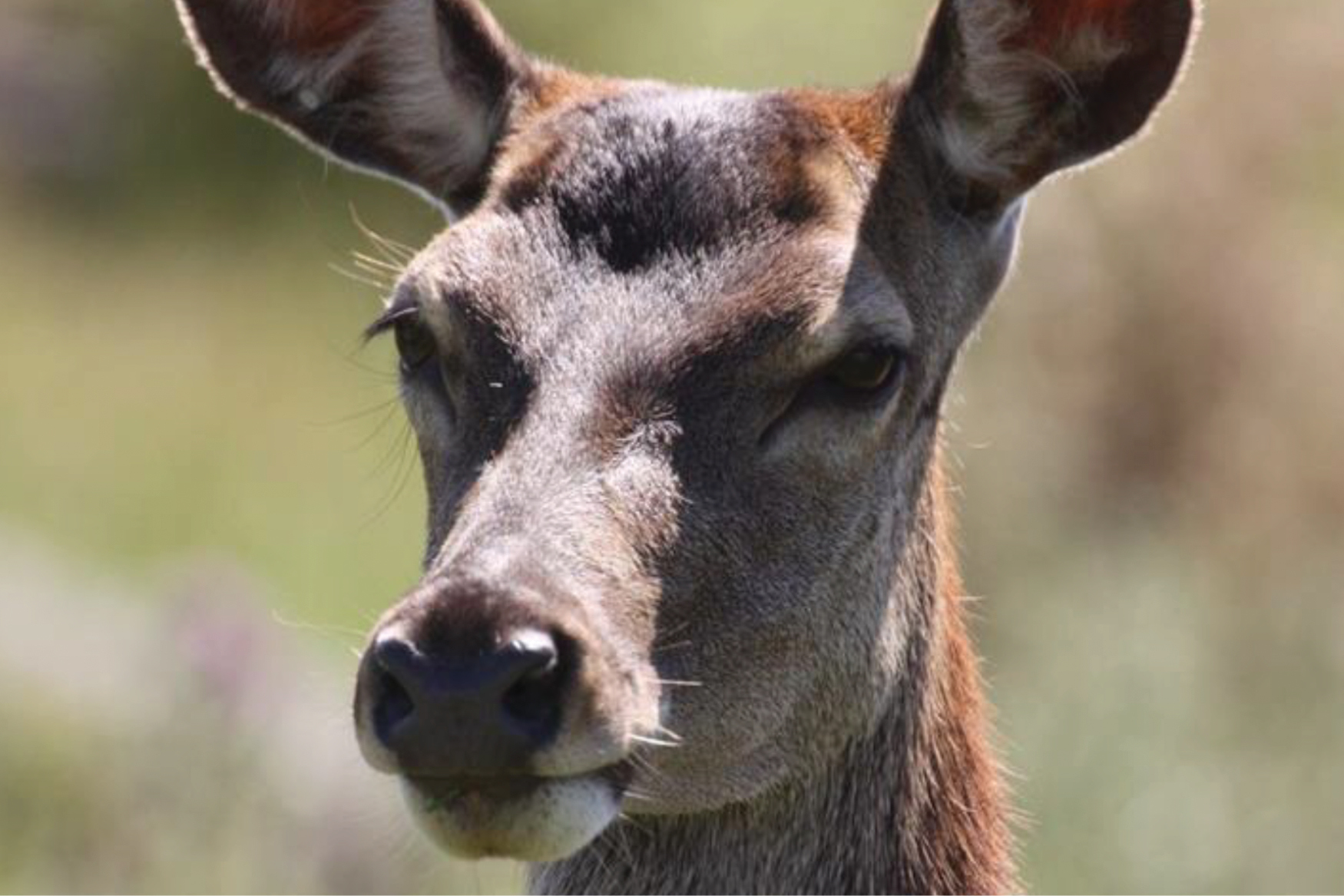
2025 Guardians or Executioners – Navigating the Ethics of Deer Control
Phil’s report examines the expanding deer population across Aotearoa New Zealand, its ecological and economic impacts, the limitations of current management, and the ethical tensions ...
 2024
2024 How can sheep and beef farmers navigate climatic extremes in times of reduced cashflow?
This report aims to analyse how high performing farm businesses reach and sustain the levels of performance, resilience and wellbeing they do.
 2025
2025 From Retention to Resilience: Strengthening MPI’s Veterinary Workforce
Veterinarians are vital to MPI’s export, biosecurity, and food safety systems. This research identifies key retention challenges and offers strategies to build a resilient, engaged ...