
Perhaps the most controversial aspect of the Local Government Bill before parliament relates to the increase in power given to local government to be involved in a wide range of activities. This power has been termed the “Powers of General Competence” and allows councils to be involved in any lawful activity. The emphasis is on local decision making, rather than the imposition of limitation by central government. The rural ratepayer comprises an electoral minority of 6%, but pays an estimated 20% of total rates because the rating system is based on capital or land value. Therefore any increase in local council activity will have a major financial impact on the rural sector. Under this Bill, local government is required to undertake an extensive consultative process before making major decisions. Such a consultative process could be seen as “participatory democracy”. However in the absence of binding referenda, the decision making remains “representative”. An overwhelming number of submissions against a proposal does not necessarily ensure a participatory outcome. The requirement for an open consultative process and a full disclosure of information becomes problematical in a private/public partnership. Successful private enterprise often relies upon commercially sensitive information remaining confidential. The ultimate control by the community over the local government body lies in the democratic process. The policy makers can be voted out if the community does not agree with their policies. The issue of governance and the importance of the democratic process are detailed in the proposed Bill. However a report written by the Controller and Auditor General in 2002 indicates that the difference between governance and management roles within local government is the area least understood by both staff and elected members. The functions of local government have changed dramatically in recent times. This new Bill, should it become law, will allow local government to enter into areas previously the domain of central government. Unless the rural sector becomes involved in local government, either by standing for office or being actively involved in decision making, there exists the potential for an increasingly large financial burden to fall on rural landowners.


 2025
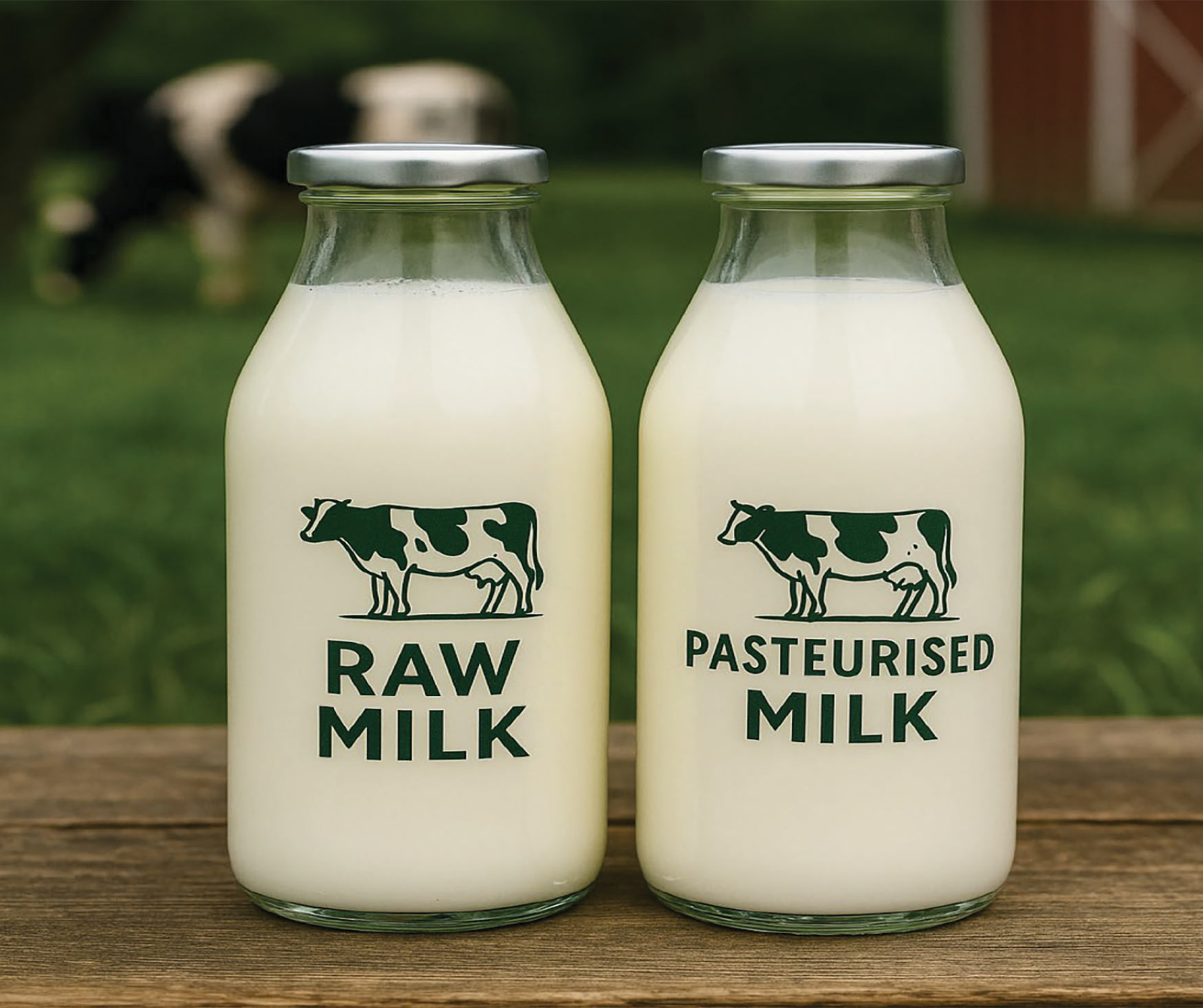
2025 Dairy Diversification into Raw and Pasteurised Farm Milk Sales
This report explores the feasibility of NZ dairy farmers selling raw and pasteurised milk direct from the farm. It finds strong consumer interest and financial ...
 2025
2025 Dairy Farmers Love Sharing Data… But There is a ‘But’
This report explores how NZ dairy farmers approach on-farm data sharing amid regulatory pressures. Farmers are rational—sharing data when trust, control, and value are assured. ...
 2024
2024 Opportunities and Challenges for the Future of Arable Farming in Canterbury
This report aims to provide insight from a grower’s perspective on the opportunities and challenges of arable farming in Canterbury for the future.