
Intensification in beef units involves significantly increasing the number of cattle being farmed per hectare, in a controlled situation, so that feed requirements are calculated and provided at specific levels to maximize the conversion of dry matter into beef at the most critical and profitable times. Internal parasitism reduces the appetite of animals, decreasing grass harvest, in addition, protein and energy are diverted into providing an immune response or to facilitate recovery. This diversion of protein and energy reduces the daily weight gain per head, and so is uneconomic in many cases. Control of internal parasitism generally revolves around nutrition and anthelmintics (drenches). Continued use of macrocyclic lactones in particular (endectocides, e.g. Ivermectin, abamectin, moxidectin, eprinomectin, doramectin) in forms that have not provided adequate control of the full range of parasites has effectively screened the population on some farms, resulting in an increase in the number of inefficacy or resistance problems around, and a decrease in the productivity of affected farms. There are options to identifY and manage this problem, but a survey conducted by the author revealed that farmer awareness of the issues is not high. The report recommends that farmers monitor the performance of all drenches on their farms, and cautions against relying on label claims and advertising. It suggests that effective quarantine drenching policies must be adopted, and outlines the risks of importing drench resistance onto another property. It also outlines some monitoring and drenching strategies that are designed to minimize the risk of developing drench resistance, or manage the presence of it, and options for keeping drench expenditure to a minimum, as a way of increasing profitability.


 2025
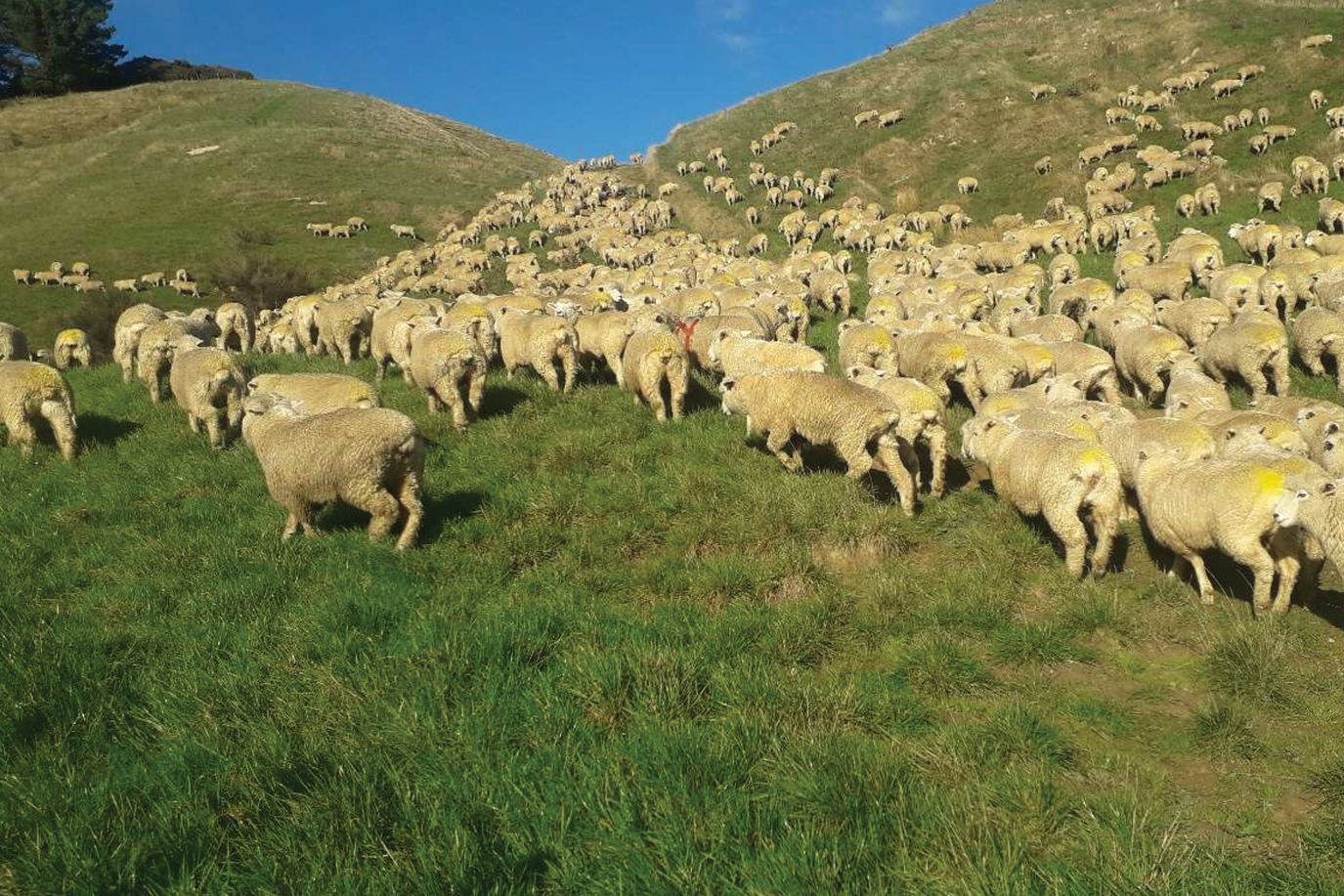
2025 27 and Ewe: Evaluating the Case and Appetite for Genotyping the NZ Commercial Sheep Flock
This report by Anna Vaughan evaluates if genotyping NZ ewes delivers enough genetic, market, and sustainability benefits to justify cost and adoption challenges.
 2024
2024 How can sheep and beef farmers navigate climatic extremes in times of reduced cashflow?
This report aims to analyse how high performing farm businesses reach and sustain the levels of performance, resilience and wellbeing they do.
 2025
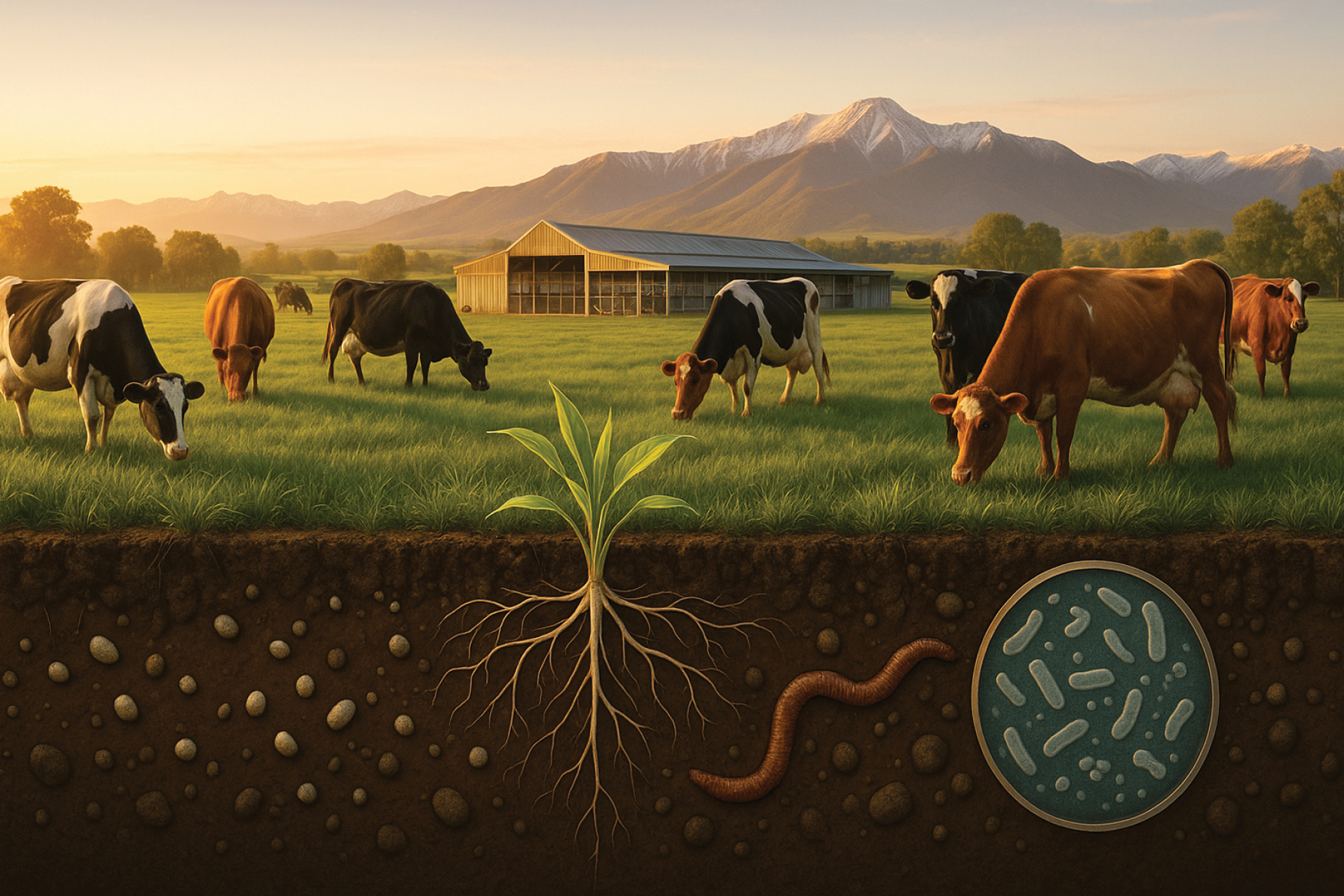
2025 The Soils Gap: Interactions Between Science, Commerce and Culture
Soil lays the foundation of all farming productivity. Farmers’ soil management is influenced by multiple factors, especially scientific perceptions. Studies on soil function and productivity ...