

This report looks into Gisborne navel orange production and investigates why a product (Gisborne navel oranges) with world class attributes fails to deliver reasonable returns to producers, and what can be done to improve, not only this industry, but also likely to be applicable to other products or industries that may find themselves in a similar position.
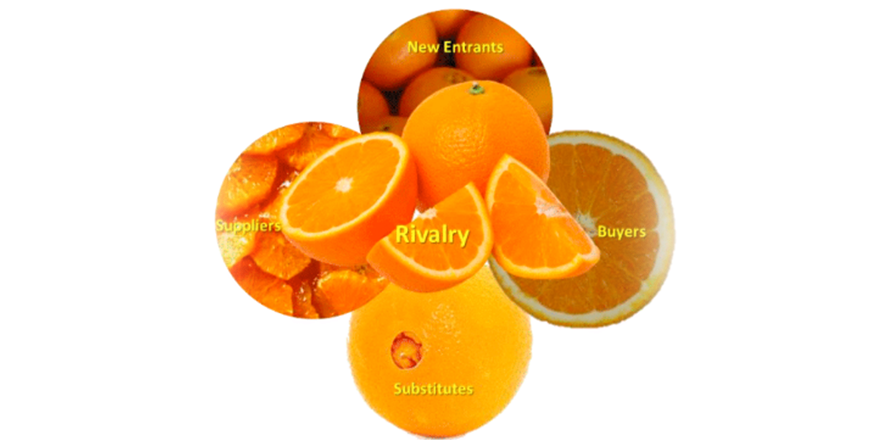
Using both Porters Five Forces and SWOT analysis this report looks at core issues facing the industry. The industry is made up of a large number of small producer’s most of whom have no connection with the consumer.
With the exception of the shoulders of the season, typical grower returns are only sufficient to cover expenses. This is a long standing issue and previous attempts to improve grower returns have been short lived. Recent attempts by the industry to lift consumer acceptance through the introduction of a voluntary maturity standard has improved fruit in the market, but falls short of making sufficient change to lift grower returns.
The biggest natural advantage of Gisborne Navel oranges is their ability to taste better than any other navels if left to reach their maturity potential; yet fruit entering the market is inconsistent and growers typically pick fruit very early in the maturity cycle, long before they are at their best. There is little to no differentiation in the market and consumers typically don’t know one navel orange from another.
There is a need for Growers to focus more on the consumer, and work together as an organised group to get sufficient control of the supply to make a significant impact on lifting quality and coordinating volume through the supply chain. Without significant change, returns to growers are likely to remain low.
Nick Pollock