
This project was undertaken on behalf of the New Zealand Kiwifruit Marketing Board to fulfill the stage II course requirements of the 1988 New Zealand Rural Leadership course. The origin of the project had its beginnings back in 1986 when the New Zealand Kiwifruit Marketing Board (NZKMB) agreed to introduce new maturity testing procedures for the industry. The new test was introduced following consultation with and advice from the DSIR. Ongoing research since the maturity test was introduced in 1980, had developed a less variable test which the NZKMB agreed would provide more consistent results for the industry. However, come harvest time 1987 problems arose with the new testing procedures particularly on young vines. As a result of those problems, the NZKMB announced on 4 May 1987 “that the new maturity testing procedure would remain in position. But growers may use the old test procedures if they wish and notify NZKMB maturity receptionists of their decision”.


 2025
2025 The Fifth Quarter: Are Farmers Paid for This?
This report by Geoff Crawford asserts that co-products in the “Fifth Quarter” are undervalued, limiting farmers’ returns and that improved transparency, collaboration, and fair value ...
 2024
2024 Can we add value to non-replacement calves?
The management of non-replacement calves, or bobby calves, is a constant challenge for the NZ Dairy industry. This report investigates potential options for reducing bobby ...
 2025
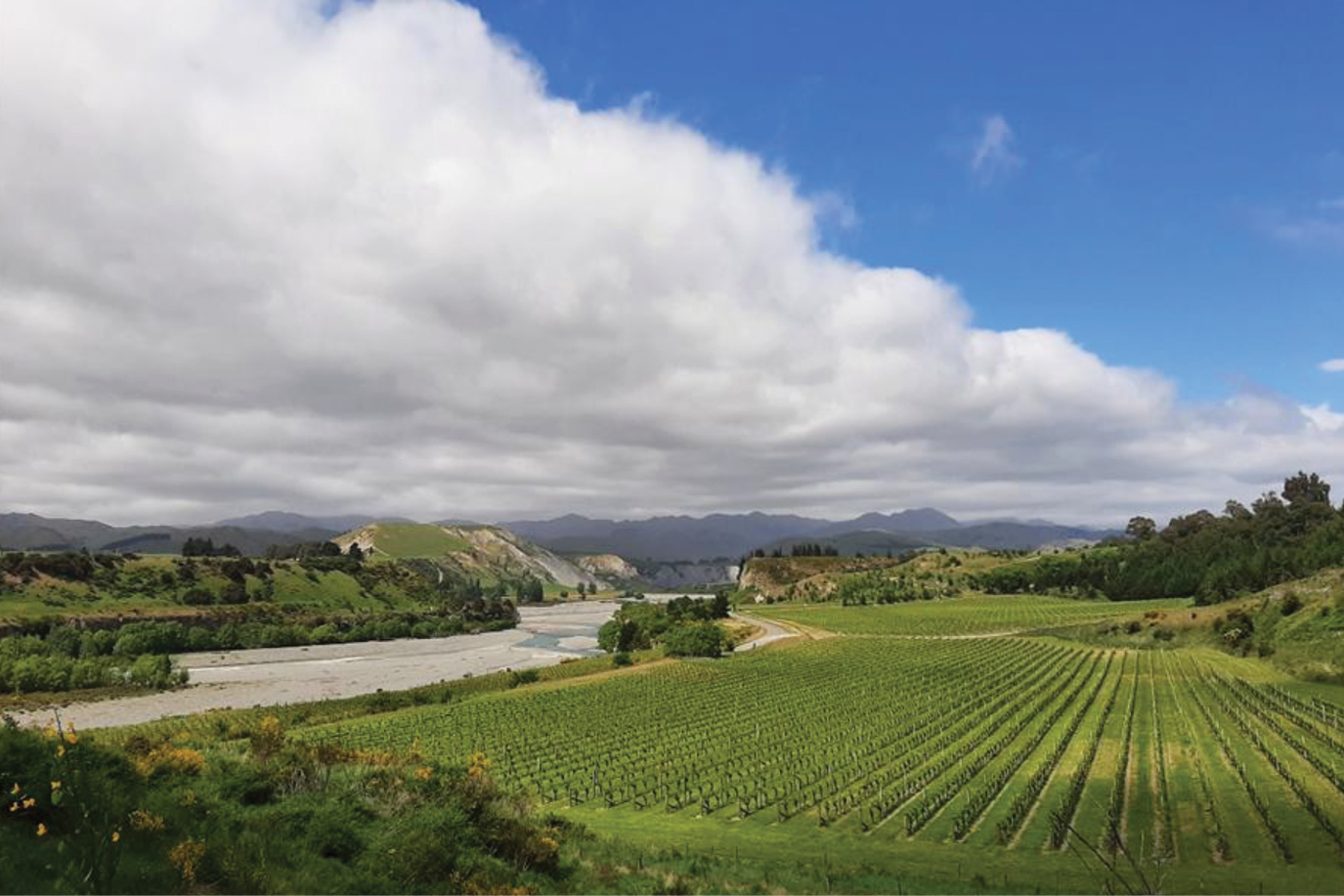
2025 Overcoming Barriers to Data Interoperability Within New Zealand’s Wine Industry
NZ wine confronts rising costs and unpredictable markets. This report by Zac Howell reveals how smarter data use, strong governance, and industry trust can unlock ...