
The purpose of this report was to identify underlying issues in the strong wool industry both here in New Zealand and the international market and find ways to look forward with a more positive approach. Since the release of the McKinsey report in 2000 and the ending of the New Zealand Wool Board, the strong wool industry has changed markedly. With no grower organisation in place for strong wool farmers there are gaps in the internal infrastructure. This has lead to decreased communication throughout the industry. Activities to promote strong wool and maintain quality of product to meet market requirements have ceased, the result is a reduced price and a lesser quality product.Three sectors of the strong wool supply chain were interviewed or reported on to gather an insight into the industry. The key areas needing identification were defined by those interviewed as promotion and education, the need for engagement, teamwork and finally communication between all sectors. This report has been broken down into three main parts: the industry view, the farmers’ view, and a report on the international survey. The conclusions and recommendations embody all the differing views and draw out some of main requirements for the industry to move forward.


 2024
2024 In ? We Trust
This report investigates the trusted sources of advice for NZ kiwifruit growers during biosecurity and adverse weather events, with a focus on understanding the drivers ...
 2024
2024 Creating a Thriving Food and Fibre Sector for Rangatahi in Aotearoa: He Ara Whakatipu
The food and fibre sector, a cornerstone of Aotearoa’s economy, thrives when rangatahi Māori lead. This report outlines barriers, strategies, and a vision for inclusivity.
 2025
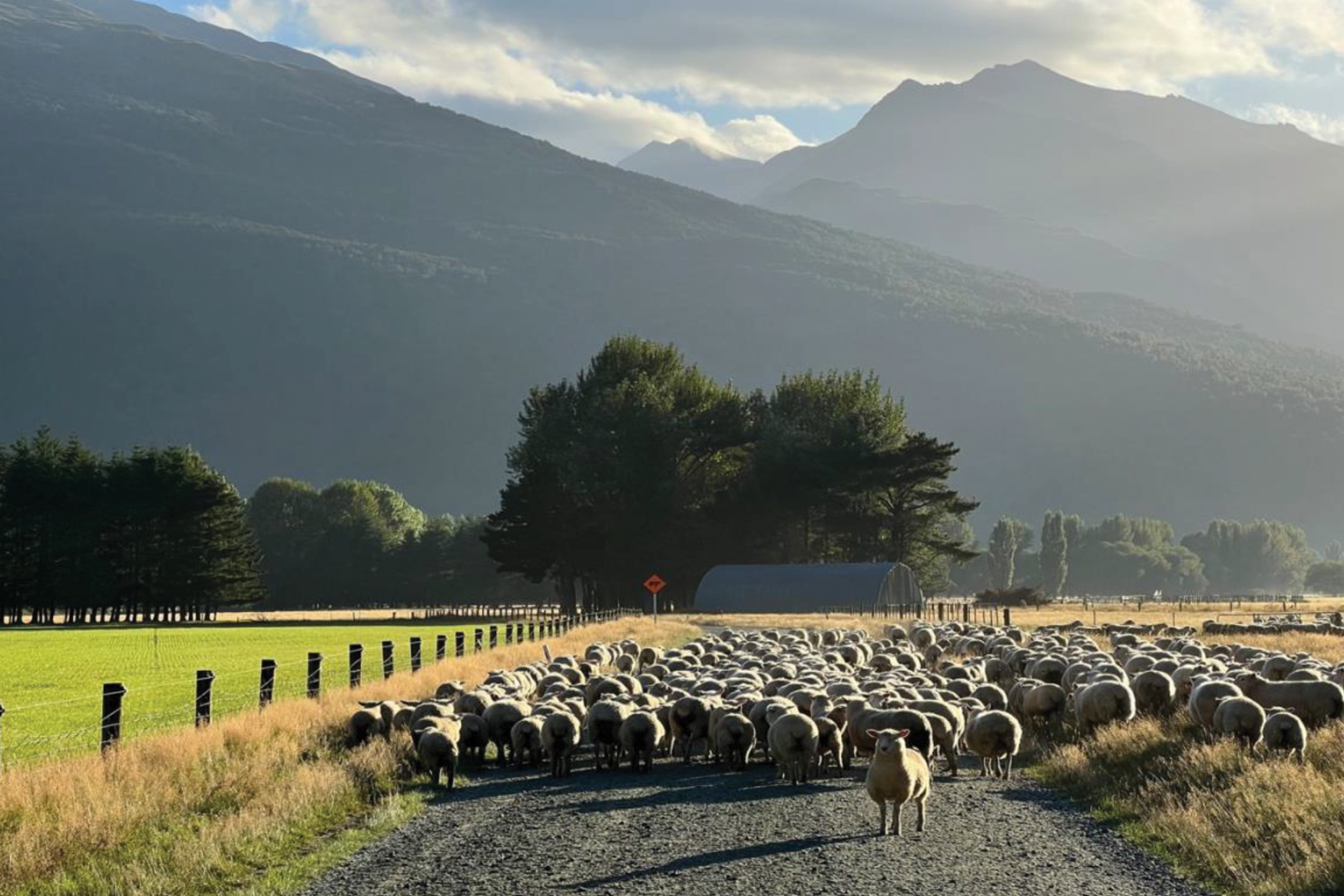
2025 How can we Maximize Production in our Decreasing Ewe Flock?
This report by Matt Ward looks at boosting ewe flock productivity amid national decline by using terminal sires, better genetics, and more innovative flock strategies ...