
New Zealand was developed off the sheep’s back. It seems unfathomable that the strong wool industry, once our largest export earner, is today fighting for survival. Worse than that, until recently, there was a widespread view it had little chance of remaining viable, both economically and in the volume of fibre produced. During the Korean War farmers received £1 for a pound of wool. It was white gold, its insulation properties recognised, and competition from synthetic fibres negligible. Returns from wool as recently as 1980-81 made up half the income from sheep. Now, that contribution can be less than 10%. The reality is that farmers need wool returns to improve to make sheep farming more viable. I believe there is now an entire generation of strong wool growers in New Zealand who have little idea or interest in their industry beyond their own woolsheds. I know they have a very different handle on where their meat goes, often putting considerable effort into gathering the information they need (discussion groups, meat company audits, etc) How do we change this? Since the McKinsey Report was released, no one has gone to the industry beyond our farm gates to see how they are faring (we tend to assume they are just out there making money at our expense). What has changed? What is working? What is not working? What needs to change?

 2024
2024 Growing Leaders, Growing Impact: Empowering the missing middle in Aotearoa agrifood leadership
This report explores how leadership development can be enhanced for mid-career professionals in New Zealand's agrifood sector, addressing gaps and promoting inclusivity and innovation.
 2024
2024 Foraging New Horizons: Levers of Sustainable Innovation in the NZ Food and Fibre Sector
This report aims to identify key inflexion points for New Zealand agriculture to adopt sustainable practices, enhance market opportunities, and drive systemic transformation through collaborative ...
 2025
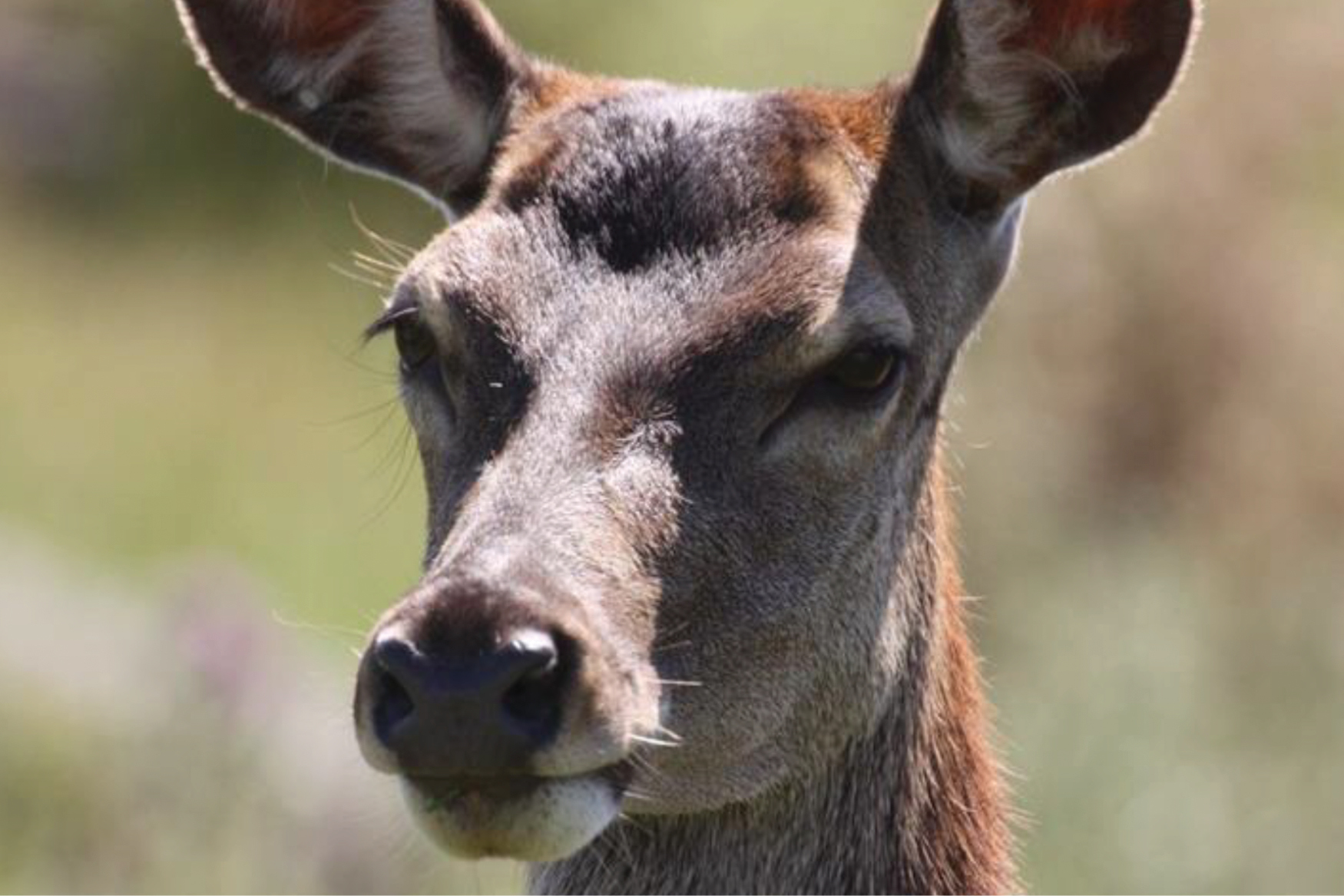
2025 Guardians or Executioners – Navigating the Ethics of Deer Control
Phil’s report examines the expanding deer population across Aotearoa New Zealand, its ecological and economic impacts, the limitations of current management, and the ethical tensions ...